From Isolation to Inspiration: One Student’s IBD Journey Creates Hope
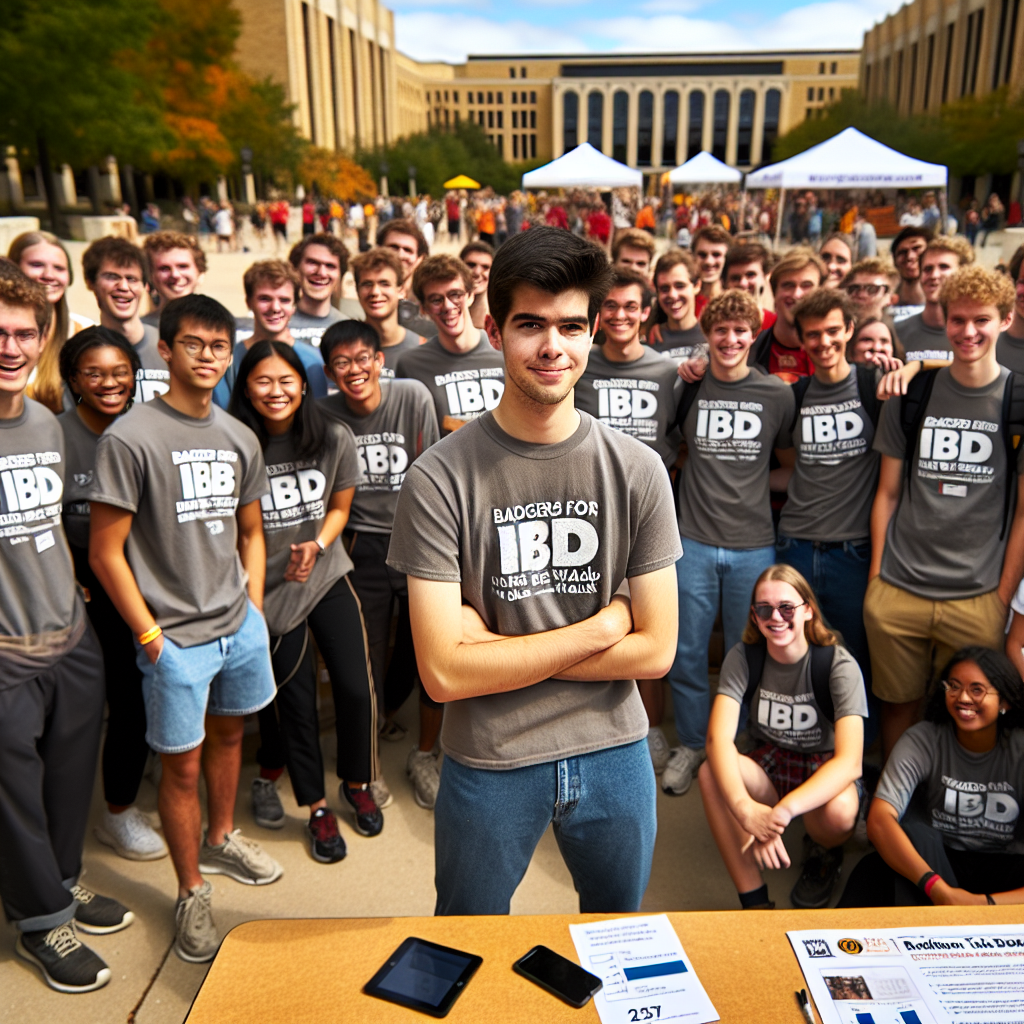
There’s a special kind of loneliness that comes with IBD—one that goes beyond the physical symptoms. It’s the feeling of being surrounded by people who can’t quite understand why you need to scope out every bathroom, why certain foods are off-limits, or why some days you simply can’t participate in “normal” college activities. If you’ve felt this isolation, you’re not alone, and Colin Dugan’s story proves that sometimes our deepest struggles can become the foundation for something beautiful.
When Colin arrived at the University of Wisconsin-Madison with Crohn’s disease, he discovered what many of us know too well: support groups that don’t quite fit, conversations that stop when symptoms get real, and the exhausting task of constantly explaining what life with IBD actually looks like. But instead of accepting this isolation, Colin decided to change it.
Summary of Original Article
Colin Dugan, a University of Wisconsin-Madison student living with Crohn’s disease, founded Badgers for IBD after realizing there was no campus support group that truly understood the IBD experience. The organization became a safe space for students dealing with inflammatory bowel disease, providing understanding and community for those managing symptoms that others often find difficult to discuss. Through honest conversations and shared experiences, the group has grown into a meaningful support network. Colin’s initiative demonstrates how personal struggles with chronic illness can be transformed into advocacy and leadership, creating lasting change that benefits others facing similar challenges.
This post summarizes reporting from Original Article. Our analysis represents IBD Movement’s perspective and is intended to help patients understand how this news may affect them. Read the original article for complete details.
What This Means for the IBD Community
Colin’s story touches on something we discuss frequently in our community: the profound impact of feeling understood. When you’re managing IBD, especially during the college years, you’re dealing with multiple layers of challenges. There’s the obvious medical management—medications, dietary restrictions, regular monitoring—but there’s also the social and emotional navigation that’s equally exhausting.
The College Experience with IBD: Unique Challenges
College presents particular hurdles for students with IBD that Colin’s initiative directly addresses. Think about it: you’re living away from your established medical team, often sharing bathrooms with strangers, eating dining hall food that may not align with your dietary needs, and managing stress levels that can directly impact your symptoms. Add in the social pressures of fitting in, and it becomes clear why having peers who truly “get it” is invaluable.
What makes Colin’s approach so powerful is that he created space for the conversations that matter most—the unglamorous, real-talk discussions about bathroom urgency, medication side effects, and the mental health impacts of chronic illness. These aren’t topics that come up in general wellness groups or even broader chronic illness support meetings.
The Ripple Effect of Peer Support
Research consistently shows that peer support improves outcomes for people with chronic conditions, but Colin’s story illustrates why this is particularly true for IBD. When someone shares that they also carry emergency supplies in their backpack or that they’ve had to leave class suddenly, it normalizes experiences that can feel shameful or isolating. This normalization isn’t just emotionally healing—it can actually impact physical health outcomes by reducing stress and improving treatment adherence.
From a practical standpoint, peer support groups like Badgers for IBD often become informal information networks. Students share which campus bathrooms are most accessible, which professors are understanding about health-related absences, and how to navigate dining services with dietary restrictions. This kind of crowd-sourced wisdom is incredibly valuable for managing IBD in specific environments.
Building Advocacy Skills Through Personal Experience
Colin’s journey from patient to advocate reflects a pattern we see throughout the IBD community. Living with a chronic condition often develops skills that translate directly into advocacy: you become an expert in navigating healthcare systems, you learn to communicate complex medical information clearly, and you develop resilience in the face of uncertainty. When these skills are channeled into helping others, the impact multiplies.
This transformation is particularly meaningful during the college years, when many people are still discovering their career paths and personal missions. For students with IBD, channeling their health experience into advocacy work can provide a sense of purpose that transcends the challenges of chronic illness. It’s a way of ensuring that their struggles contribute to something meaningful.
Questions for Your Healthcare Team
Colin’s story might prompt important conversations with your medical team, especially if you’re a student or parent of a student with IBD:
- What resources are available at your school for students with chronic health conditions?
- How can you connect with disability services to ensure appropriate accommodations?
- Are there telehealth options that allow you to maintain continuity with your home medical team?
- What emergency protocols should be in place if symptoms flare while you’re away from home?
- How can stress management be incorporated into your treatment plan during high-pressure periods like exams?
The Broader Movement Toward Patient Leadership
Colin’s initiative reflects a broader trend in chronic illness care: patients becoming leaders in their own healthcare communities. This shift acknowledges that while medical professionals provide crucial clinical expertise, patients bring lived experience that’s equally valuable for comprehensive care. When patients step into leadership roles, they often identify gaps in support that healthcare systems miss.
This patient-led approach is particularly relevant for IBD, where individual experiences can vary dramatically. What works for one person’s Crohn’s management might not work for another’s, and peer networks often provide the nuanced understanding necessary to navigate these variations.
The Bottom Line
Colin Dugan’s story reminds us that sometimes the best response to feeling isolated is to create the connection we wish we’d had. His experience building Badgers for IBD demonstrates that our struggles with chronic illness don’t have to be endpoints—they can be starting points for creating the kind of world we want to live in.
If you’re feeling alone in your IBD journey, consider that there might be others in your community, workplace, or school who share similar experiences. Sometimes the support network you need doesn’t exist yet, but that doesn’t mean it can’t exist. Whether you start a formal group, reach out to existing organizations, or simply begin honest conversations with people in your life, remember that your experience has value and your voice matters. Colin’s courage to transform his pain into purpose has created ripples that extend far beyond his college campus—and yours can too.
IBD Movement provides information for educational purposes only. This content is not intended to be a substitute for professional medical advice, diagnosis, or treatment. Always seek the advice of your physician or other qualified health provider with any questions you may have regarding a medical condition.
Related Posts

Beyond Diet: Why Comprehensive Care Is Essential for Managing Crohn’s Disease
April 17, 2026
AI Revolution in IBD Care: How Artificial Intelligence Could Transform Your Treatment Journey
April 16, 2026
JAK Inhibitors in Crohn’s Disease: Navigating Safety Concerns and Treatment Decisions
April 15, 2026