Finding Hope in Fruits and Veggies with Crohn’s Disease
If you’ve lived with Crohn’s disease for any length of time, you’ve probably had that moment—standing in the produce section, staring at those beautiful, colorful fruits and vegetables, feeling torn between hope and fear. Part of you knows these foods are supposed to be healing, packed with vitamins and nutrients your body craves. But another part remembers the pain, the cramping, the urgency that sometimes follows eating the “wrong” thing during a flare.
I’ve been there too, holding a perfectly ripe peach or a bunch of vibrant spinach, wondering if I’m brave enough to try it. It’s one of those uniquely challenging aspects of living with IBD—the foods that are supposed to nourish us can sometimes feel like our biggest enemies. But what if I told you that recent research is painting a more hopeful picture about fruits and vegetables for those of us with Crohn’s?
Summary of Read the full story
Recent research suggests that fruits and vegetables may actually play a protective role for people with Crohn’s disease, potentially helping to lower the risk of active disease and reduce inflammation in the gut. The study indicates that incorporating these plant foods into your diet, especially during periods of remission, could help promote healing and even reduce the likelihood of future flares.
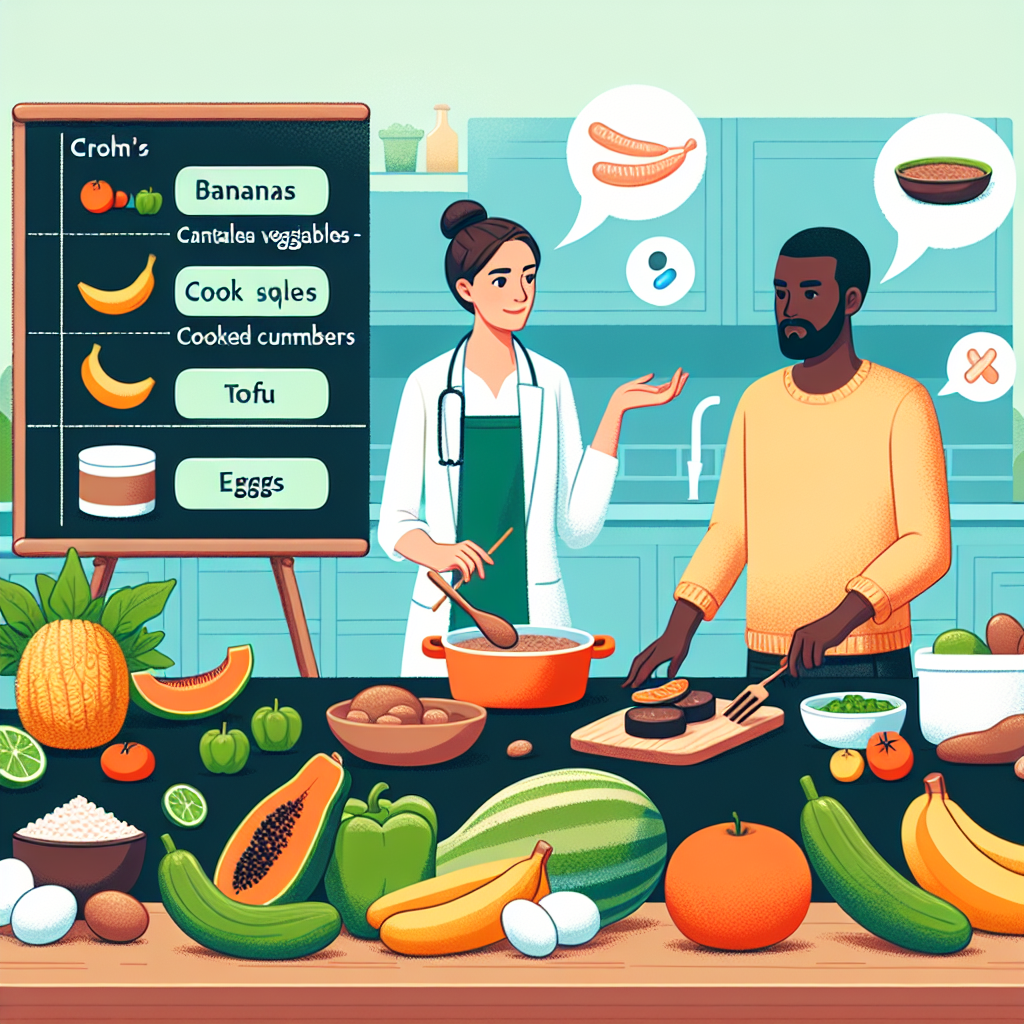
The research acknowledges what many of us already know from experience—that raw or high-fiber produce can trigger symptoms during active flares. However, the findings suggest that preparation methods matter significantly. Cooking vegetables, peeling fruits, and choosing gentler options like bananas, cooked squash, or applesauce can help retain nutritional benefits while minimizing digestive distress.
The study also emphasizes that combining plant foods with lean proteins and healthy fats during remission periods may be particularly beneficial. However, researchers stress that there’s no one-size-fits-all approach, and individual tolerance varies significantly among people with Crohn’s disease.
This post summarizes reporting from Read the full story. Our analysis represents IBD Movement’s perspective and is intended to help patients understand how this news may affect them. Read the original article for complete details.
What This Means for the IBD Community
This research offers something we don’t often get in the IBD world—genuine hope backed by science. For too long, many of us have lived under the shadow of overly restrictive diets, avoiding entire food groups out of fear. While caution is absolutely necessary during flares, this study suggests we might be able to safely reintroduce more variety than we thought possible.
What excites me most about these findings is how they validate what many IBD patients have discovered through careful experimentation: preparation and timing matter enormously. The difference between a raw apple that sends you running to the bathroom and a gently cooked, peeled apple that provides nourishment without distress isn’t just anecdotal—it’s supported by research.
From a practical standpoint, this research gives us permission to be more adventurous with our food choices during stable periods. Instead of living in constant dietary fear, we can approach fruits and vegetables as potential allies in our healing journey. This shift from avoidance to strategic inclusion could significantly improve both our nutritional status and our relationship with food.
The emphasis on combining plant foods with lean proteins and healthy fats also aligns with what many gastroenterologists and dietitians have been recommending. This balanced approach helps slow digestion, provides sustained energy, and may reduce the likelihood of triggering symptoms. It’s particularly relevant for those of us who’ve struggled with malnutrition or weight loss—common challenges in the Crohn’s community.
Consider discussing these strategies with your healthcare team:
- Which fruits and vegetables might be safest to try during your next stable period
- Specific preparation methods that could work for your individual situation
- How to gradually introduce new foods while monitoring symptoms
- Whether your current nutritional status could benefit from increased plant food intake
- What warning signs to watch for if symptoms return
This research also connects to broader trends we’re seeing in IBD treatment—a move toward more personalized, nuanced approaches rather than blanket restrictions. The gut microbiome research that’s been exploding over the past decade has shown us that diversity in our diet often translates to diversity in our gut bacteria, which can support better overall intestinal health.
What’s particularly encouraging is how this aligns with the growing understanding that Crohn’s management isn’t just about avoiding triggers—it’s about actively supporting healing. The anti-inflammatory compounds found in many fruits and vegetables, from the anthocyanins in berries to the beta-carotene in sweet potatoes, may work synergistically with our medical treatments to promote intestinal healing.
For caregivers and family members reading this, these findings offer hope for creating more inclusive meal planning. Instead of preparing completely separate meals for your loved one with Crohn’s, you might be able to adapt family favorites with simple modifications like extra cooking time, peeling, or pureeing.
However, it’s crucial to remember that this research doesn’t mean we should abandon all caution. The study specifically notes that individual tolerance varies dramatically. What works beautifully for one person with Crohn’s might be disastrous for another. The key is approaching this information as a starting point for conversations with your healthcare team, not as a prescription to immediately overhaul your diet.
This research also highlights the importance of timing in our dietary choices. The distinction between what we can tolerate during remission versus during active disease is critical. Many of us have learned this lesson the hard way, but having scientific backing for this approach validates our lived experiences and gives us a framework for making informed decisions.
The Bottom Line
Living with Crohn’s disease often feels like navigating a minefield when it comes to food choices. This research offers a glimmer of hope that we don’t have to live in perpetual dietary fear. While we must remain cautious and individualized in our approach, the possibility that fruits and vegetables could actually support our healing—rather than just trigger our symptoms—is genuinely exciting.
The key is working with your healthcare team to develop a personalized strategy that considers your individual triggers, current disease activity, and nutritional needs. Start small, be patient with yourself, and remember that every positive step forward, no matter how small, is worth celebrating. Your relationship with food doesn’t have to be defined by fear—with the right approach, it can become a source of healing and nourishment.
IBD Movement provides information for educational purposes only. This content is not intended to be a substitute for professional medical advice, diagnosis, or treatment. Always seek the advice of your physician or other qualified health provider with any questions you may have regarding a medical condition.
Related Posts

Beyond Diet: Why Comprehensive Care Is Essential for Managing Crohn’s Disease
April 17, 2026
AI Revolution in IBD Care: How Artificial Intelligence Could Transform Your Treatment Journey
April 16, 2026
JAK Inhibitors in Crohn’s Disease: Navigating Safety Concerns and Treatment Decisions
April 15, 2026