When Matcha Becomes a Risk: IBD Safety Considerations
Living with IBD often means becoming hyper-aware of what we put in our bodies. We scrutinize labels, track trigger foods, and carefully consider how different substances might affect our already sensitive digestive systems. So when I heard about a young woman who ended up hospitalized after her regular matcha habit took a dangerous turn, it hit close to home—not just because of the health scare, but because of how easily we can overlook the potential risks in things we consider ‘healthy.’
Many of us in the IBD community have turned to beverages like matcha, seeking natural energy boosts that won’t aggravate our symptoms the way coffee sometimes can. But this story serves as a crucial reminder that even the most celebrated ‘superfoods’ require careful consideration, especially when we’re managing chronic digestive conditions.
Summary of here
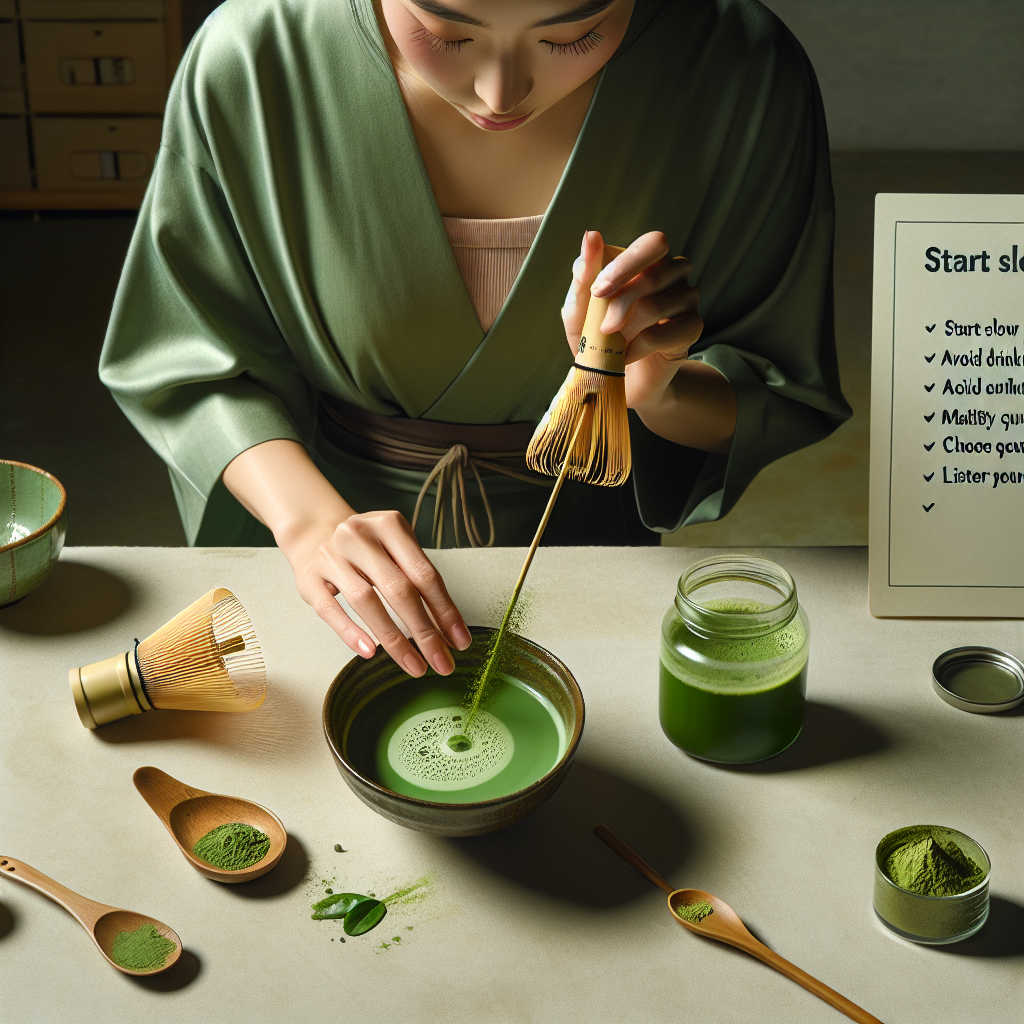
A 28-year-old woman recently shared her alarming experience after her daily matcha routine led to serious health complications requiring hospitalization. The incident highlights several important safety concerns about matcha consumption that many people overlook. Unlike regular tea where you steep and discard the leaves, matcha involves consuming the entire ground tea leaf, creating a highly concentrated dose of caffeine and other plant compounds.
The woman’s experience demonstrates how consuming matcha on an empty stomach or in large quantities can lead to adverse effects including headaches, nausea, and more severe complications. The incident also brings attention to quality concerns with matcha products, as lower-grade powders may contain contaminants like heavy metals that can pose additional health risks.
Her story emphasizes that even beneficial substances require moderation and mindful consumption. The concentrated nature of matcha means that what might seem like a reasonable amount can actually deliver an unexpectedly high dose of active compounds, particularly when consumed regularly or without food to buffer its effects.
This post summarizes reporting from here. Our analysis represents IBD Movement’s perspective and is intended to help patients understand how this news may affect them. Read the original article for complete details.
What This Means for the IBD Community
This matcha incident carries particular significance for those of us managing IBD, and there are several layers to consider. First, our digestive systems are already in a delicate balance. Adding highly concentrated substances like matcha—especially on an empty stomach—can potentially trigger symptoms or interfere with our carefully managed routines.
The caffeine concentration in matcha is something we need to take seriously. While a single serving contains roughly the same caffeine as a cup of coffee, the way our bodies process it can be different, particularly if we’re taking medications for IBD. Some IBD medications can affect how our bodies metabolize caffeine, potentially leading to stronger or longer-lasting effects than we might expect.
There’s also the timing consideration that’s crucial for IBD patients. Many of us have learned to be strategic about when we consume potentially stimulating substances. The recommendation to avoid matcha on an empty stomach is especially relevant for us, as many IBD patients already deal with morning symptoms or take medications that require specific timing around meals.
Quality concerns around matcha should particularly alarm our community. We already face increased risks from contaminated foods due to our compromised immune systems and ongoing inflammation. The possibility of heavy metal contamination in lower-quality matcha products adds another layer of risk that we simply can’t afford to ignore.
Beyond the immediate safety concerns, this story highlights a broader issue many of us face: the pressure to find ‘natural’ solutions for energy, inflammation, and overall wellness. While the desire to incorporate beneficial foods and beverages is understandable, we must remember that natural doesn’t automatically mean safe for everyone—especially those of us with chronic digestive conditions.
If you’re currently using matcha or considering adding it to your routine, here are some questions worth discussing with your healthcare team: How might matcha interact with your current medications? Could the timing of matcha consumption interfere with your medication schedule? Are there specific symptoms you should watch for that might indicate matcha isn’t agreeing with your system?
The concentration aspect of matcha also connects to a broader trend we see in wellness culture—the ‘more is better’ mentality that can be particularly dangerous for IBD patients. We often see this with supplements, probiotics, and other health products where the assumption is that if a little is good, more must be better. But our IBD experience teaches us that our bodies often require a more nuanced, individualized approach.
Practical Considerations for IBD Patients
If you choose to include matcha in your routine, consider starting with very small amounts—perhaps a quarter teaspoon—and always consume it with food. Pay attention to how your digestive system responds not just immediately, but over the following hours and even the next day. IBD symptoms don’t always appear immediately after consuming trigger foods or beverages.
Source quality becomes even more critical for us. Look for organic, ceremonial-grade matcha from reputable suppliers who test for contaminants. Yes, it’s more expensive, but given our increased vulnerability to foodborne issues, the investment in quality is worthwhile.
Consider the timing carefully within your medication schedule. If you take immunosuppressants or other IBD medications in the morning, discuss with your doctor whether the caffeine in matcha might interfere with absorption or effectiveness.
Document your response in whatever tracking system you use for IBD symptoms. Include notes about quantity, timing, whether you consumed it with food, and any symptoms that followed. This information can be valuable for both your own awareness and discussions with your healthcare team.
This situation reminds us that being our own health advocates means questioning even the most celebrated health trends. The woman’s hospitalization serves as a wake-up call that we can’t assume something is safe just because it’s natural or widely promoted as beneficial.
For many in our community, this story reinforces why we’ve learned to approach new foods and beverages with caution. It’s not about living in fear, but about making informed decisions that respect both the potential benefits and risks, especially given our unique health circumstances.
The good news is that awareness and moderation can help us enjoy beneficial foods and beverages more safely. The key is approaching them with the same thoughtfulness we’ve learned to apply to every other aspect of managing our IBD. This means starting slowly, paying attention to our bodies’ responses, and not hesitating to step back if something doesn’t feel right.
Ultimately, this matcha story is about more than just one beverage—it’s about maintaining the careful balance we work so hard to achieve in managing our chronic digestive conditions. Sometimes the healthiest choice is recognizing when something that works for others might not be right for us, and that’s perfectly okay.
IBD Movement provides information for educational purposes only. This content is not intended to be a substitute for professional medical advice, diagnosis, or treatment. Always seek the advice of your physician or other qualified health provider with any questions you may have regarding a medical condition.
Related Posts

Beyond Diet: Why Comprehensive Care Is Essential for Managing Crohn’s Disease
April 17, 2026
AI Revolution in IBD Care: How Artificial Intelligence Could Transform Your Treatment Journey
April 16, 2026
JAK Inhibitors in Crohn’s Disease: Navigating Safety Concerns and Treatment Decisions
April 15, 2026