New Immune Discovery Could Transform Crohn’s Treatment Forever
If you’ve lived with Crohn’s disease, you know that sinking feeling when symptoms start creeping back after months of feeling good. You’ve done everything right—taken your medications, watched your diet, managed stress—yet here you are again, facing another flare. It’s not just the physical symptoms that hurt; it’s the betrayal of your own immune system, the unpredictability that makes planning feel impossible.
For too long, we’ve been fighting Crohn’s with treatments that feel like using a sledgehammer when we need a scalpel. But recent research from the University of Osaka might finally give us the precision tools we’ve been desperately waiting for.
Summary of the original source
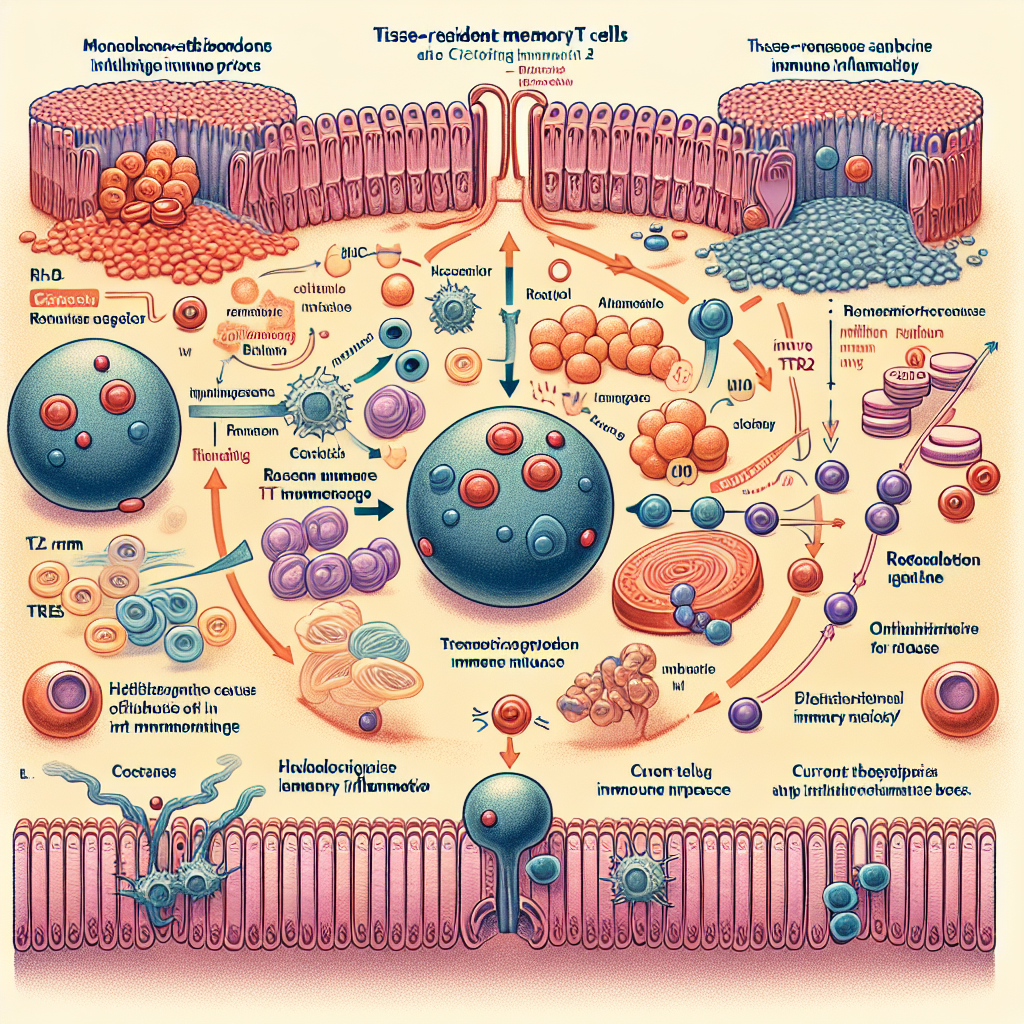
Scientists have identified two key molecules—RUNX2 and BHLHE40—that are essentially turning our gut’s immune memory cells into troublemakers. These molecules transform normally protective T cells into inflammatory agitators that stick around in the intestinal lining, creating those frustrating cycles of inflammation and relapse that define Crohn’s disease.
The breakthrough came when researchers discovered a unique form of RUNX2 that specifically drives harmful inflammation in gut tissue. When they reduced the activity of these molecular troublemakers in laboratory studies, the inflammatory cells lost their destructive power. This suggests that future treatments could target these specific pathways without suppressing the entire immune system.
The research also highlights how regulatory T cells—our body’s natural peacekeepers—become overwhelmed or go offline in Crohn’s disease. Scientists are exploring ways to restore these protective cells, potentially offering longer-lasting remission periods.
This post summarizes reporting from the original source. Our analysis represents IBD Movement’s perspective and is intended to help patients understand how this news may affect them. Read the original article for complete details.
What This Means for the IBD Community
This discovery represents a fundamental shift in how we understand Crohn’s disease at the cellular level. Instead of viewing inflammation as a broad immune system malfunction, we now see it as a precise molecular miscommunication that we might be able to correct.
For those of us living with Crohn’s, this research offers something we’ve rarely had: the possibility of truly personalized treatment. Current therapies like biologics work by broadly suppressing immune function, which is why they come with increased infection risks and other concerning side effects. But imagine treatments that could specifically quiet only the problematic immune cells in your gut while leaving the rest of your immune system intact to fight actual threats.
This could mean fewer compromises in daily life. No more weighing whether that family gathering is worth the infection risk from immunosuppressive medications. No more choosing between symptom control and the energy-draining effects of current treatments. For parents with Crohn’s, it could mean being more present for school events and activities without worrying about their compromised immune system.
The research also validates what many patients have long suspected—that Crohn’s isn’t just about having an “overactive” immune system, but rather an immune system that’s been misdirected. The discovery of these specific molecular switches suggests that our bodies aren’t fundamentally broken; they’re just following the wrong instructions.
From a practical standpoint, this research opens up entirely new categories of potential treatments. Instead of the current approach of broadly suppressing inflammation, future therapies might work more like precision medicine, targeting only the specific pathways causing problems in each individual patient.
Questions you might want to discuss with your gastroenterologist include: How long might it take for treatments based on this research to reach patients? Could biomarker testing help identify which patients might benefit most from RUNX2-targeted therapies? Are there any current treatments that might work through similar pathways?
This discovery also connects to broader trends in IBD research toward understanding the molecular basis of disease rather than just managing symptoms. We’re seeing similar precision approaches in cancer treatment, where therapies are tailored to specific genetic mutations driving each patient’s disease. The same personalized medicine revolution may finally be coming to Crohn’s and ulcerative colitis.
For caregivers and family members, this research offers hope for a future where IBD management doesn’t dominate family life. Treatments that work more precisely could mean fewer hospital visits, more predictable symptom patterns, and less worry about long-term medication side effects.
The focus on regulatory T cells is particularly exciting because it suggests we might be able to restore the body’s natural ability to maintain intestinal peace, rather than constantly fighting inflammation after it starts. This could lead to longer remission periods and potentially even prevent the progressive bowel damage that many Crohn’s patients experience over time.
While we’re still years away from seeing these discoveries translate into approved treatments, the research provides a clear roadmap for drug development. Unlike some earlier IBD research that identified interesting but ultimately impractical targets, these molecular pathways appear druggable with existing pharmaceutical approaches.
The Bigger Picture
What makes this research particularly meaningful is how it reframes our relationship with Crohn’s disease. For too long, patients have been told that IBD is a lifelong battle requiring constant vigilance and compromise. This discovery suggests a future where Crohn’s might be more like a switch that got stuck in the wrong position—complex to understand, but ultimately correctable with the right approach.
This research represents hope backed by solid science. It’s not a promise of a cure tomorrow, but it’s a genuine pathway toward treatments that could transform what it means to live with Crohn’s disease. For a community that has learned to temper expectations while maintaining hope, that’s profound progress indeed.
IBD Movement provides information for educational purposes only. This content is not intended to be a substitute for professional medical advice, diagnosis, or treatment. Always seek the advice of your physician or other qualified health provider with any questions you may have regarding a medical condition.
Related Posts

Beyond Diet: Why Comprehensive Care Is Essential for Managing Crohn’s Disease
April 17, 2026
AI Revolution in IBD Care: How Artificial Intelligence Could Transform Your Treatment Journey
April 16, 2026
JAK Inhibitors in Crohn’s Disease: Navigating Safety Concerns and Treatment Decisions
April 15, 2026