New Hope for Fibrostenotic Crohn’s: First Treatment in Sight
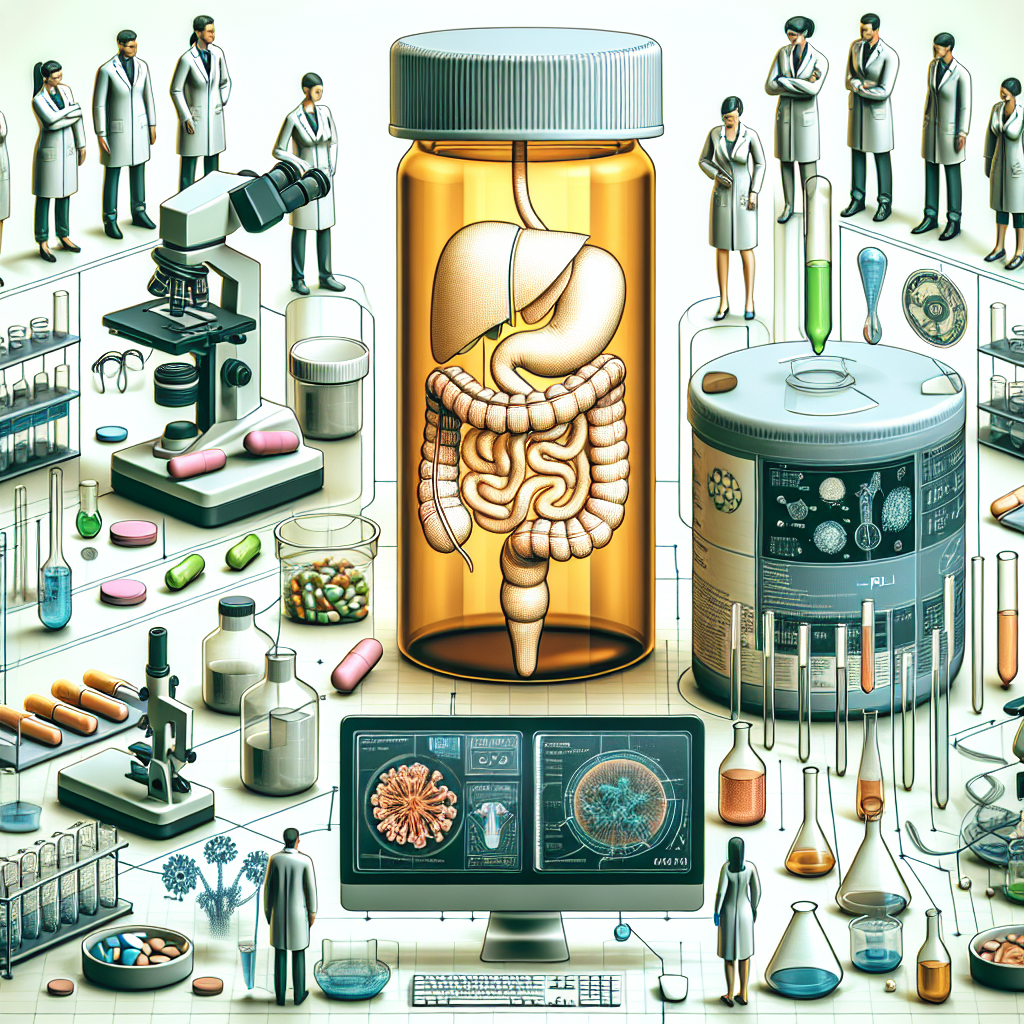
If you’re living with fibrostenotic Crohn’s disease, you know the frustration of being told there aren’t many options. Unlike other forms of IBD where we have multiple treatment paths, fibrostenotic Crohn’s—characterized by intestinal thickening and scarring—has left many feeling forgotten by the medical community. The pain, the strictures, the constant worry about when surgery might be the only answer… it’s a lonely place to be.
But today brings news that could change everything for those who’ve been waiting so long for real solutions.
Summary of here
Palisade Bio has received Health Canada clearance to begin a Phase 1b clinical trial for PALI-2108, a groundbreaking drug specifically designed for fibrostenotic Crohn’s disease. This represents the first treatment specifically targeting this form of Crohn’s, which involves intestinal wall thickening and scarring (fibrosis) that current medications struggle to address.
PALI-2108 has already shown promise in earlier studies for ulcerative colitis, demonstrating a unique dual approach: it targets both inflammation and fibrosis—the scar tissue formation that makes fibrostenotic Crohn’s so challenging to treat. The drug is designed to work specifically in the terminal ileum and colon, the areas most commonly affected by this condition.
The upcoming trial will be small but comprehensive, focusing on safety, how the body processes the drug, and whether it can actually reduce the scar tissue and inflammation in affected areas. Researchers will use advanced imaging and tissue biopsies to track the drug’s effectiveness, providing detailed data on how well it works where it matters most.
This post summarizes reporting from here. Our analysis represents IBD Movement’s perspective and is intended to help patients understand how this news may affect them. Read the original article for complete details.
What This Means for the IBD Community
For years, those with fibrostenotic Crohn’s have been the forgotten patients in IBD research. While we’ve seen remarkable advances in biologics and other therapies for inflammatory forms of Crohn’s and ulcerative colitis, fibrostenotic disease has remained stubbornly difficult to treat. The standard approach has often been “wait and see if surgery becomes necessary”—hardly the proactive treatment approach we’d prefer.
What makes PALI-2108 so significant is that it’s the first drug designed specifically to address the fibrosis component of this condition. Traditional anti-inflammatory medications like biologics can help with the inflammatory aspects, but they haven’t been able to tackle the scar tissue that causes strictures and bowel obstructions. This drug represents a fundamentally different approach—one that could potentially prevent or even reverse the structural damage that makes fibrostenotic Crohn’s so challenging.
The timing of this development is particularly meaningful because it comes at a moment when the IBD community is increasingly advocating for personalized medicine. We’re learning that not all Crohn’s disease is the same, and different phenotypes—like fibrostenotic disease—require different treatment strategies. PALI-2108 represents exactly this kind of targeted thinking.
Questions to Consider for Your Healthcare Team
If you have fibrostenotic Crohn’s, this development might raise several questions worth discussing with your gastroenterologist:
- How can you determine if your Crohn’s has fibrostenotic characteristics?
- What current monitoring approaches might help track fibrosis progression?
- Are there clinical trials or expanded access programs you might be eligible for?
- How might this development change your current treatment timeline or surgical planning?
- What role might advanced imaging play in monitoring your condition?
The Broader Context of IBD Research
This breakthrough fits into a larger trend we’re seeing in IBD research—the move away from one-size-fits-all treatments toward precision medicine. Just as we’ve learned to phenotype cancer for targeted therapies, IBD research is increasingly recognizing that inflammatory bowel disease encompasses multiple distinct conditions that may require different approaches.
The fact that PALI-2108 targets both inflammation and fibrosis also represents an evolution in how we think about IBD treatment. Rather than just suppressing inflammation and hoping for the best, this approach acknowledges that the structural damage from chronic inflammation needs direct attention. This could pave the way for combination therapies that address multiple aspects of IBD simultaneously.
For caregivers and family members, this news offers something that’s been in short supply: genuine hope for a population that has often felt overlooked. It’s a reminder that medical research continues even when it feels like progress has stalled, and that breakthrough treatments can emerge for even the most challenging conditions.
Managing Expectations and Hope
While this news is incredibly encouraging, it’s important to maintain realistic expectations. This is a Phase 1b trial, which means it’s still early in the development process. The primary goals are to establish safety and determine proper dosing, not necessarily to prove effectiveness (though researchers will be watching for promising signs).
Even if everything goes perfectly, it will likely be several years before PALI-2108 might become available as a treatment option. The drug development process is deliberately methodical, designed to ensure both safety and effectiveness before medications reach patients.
However, the significance of this development goes beyond just one potential treatment. It represents proof that the pharmaceutical industry is taking fibrostenotic Crohn’s seriously as a distinct condition requiring specialized therapy. This could encourage other companies to invest in similar research, potentially leading to multiple treatment options down the road.
The hope this brings isn’t just about one drug—it’s about the validation that this form of Crohn’s deserves dedicated research attention and that solutions are possible even for the most challenging aspects of IBD.
This breakthrough reminds us that even when it feels like medical progress has forgotten certain conditions, researchers continue working behind the scenes. For those living with fibrostenotic Crohn’s, this represents the first real glimmer of hope for a treatment designed specifically for their condition. While we wait for results, this development proves that innovation continues, and that the most challenging aspects of IBD are not being ignored—they’re being actively pursued by determined researchers who understand the urgent need for better options.
IBD Movement provides information for educational purposes only. This content is not intended to be a substitute for professional medical advice, diagnosis, or treatment. Always seek the advice of your physician or other qualified health provider with any questions you may have regarding a medical condition.
Related Posts

Beyond Diet: Why Comprehensive Care Is Essential for Managing Crohn’s Disease
April 17, 2026
AI Revolution in IBD Care: How Artificial Intelligence Could Transform Your Treatment Journey
April 16, 2026
JAK Inhibitors in Crohn’s Disease: Navigating Safety Concerns and Treatment Decisions
April 15, 2026