Why Women with IBD Need Their Own Healthcare Champions
If you’re a woman living with IBD, you’ve probably noticed something frustrating: so much of the medical conversation doesn’t quite fit your experience. The research studies, the treatment discussions, even the support resources often feel like they were designed with someone else in mind. You’re not imagining it—women with Crohn’s disease and ulcerative colitis face unique challenges that deserve specialized attention and understanding.
The questions that keep you up at night are different. How will my IBD affect my ability to have children? What about the way my menstrual cycle seems to trigger flares? Will my medications be safe if I get pregnant? These aren’t just medical concerns—they’re deeply personal worries that shape how you plan your future and navigate your daily life.
Summary of the original source
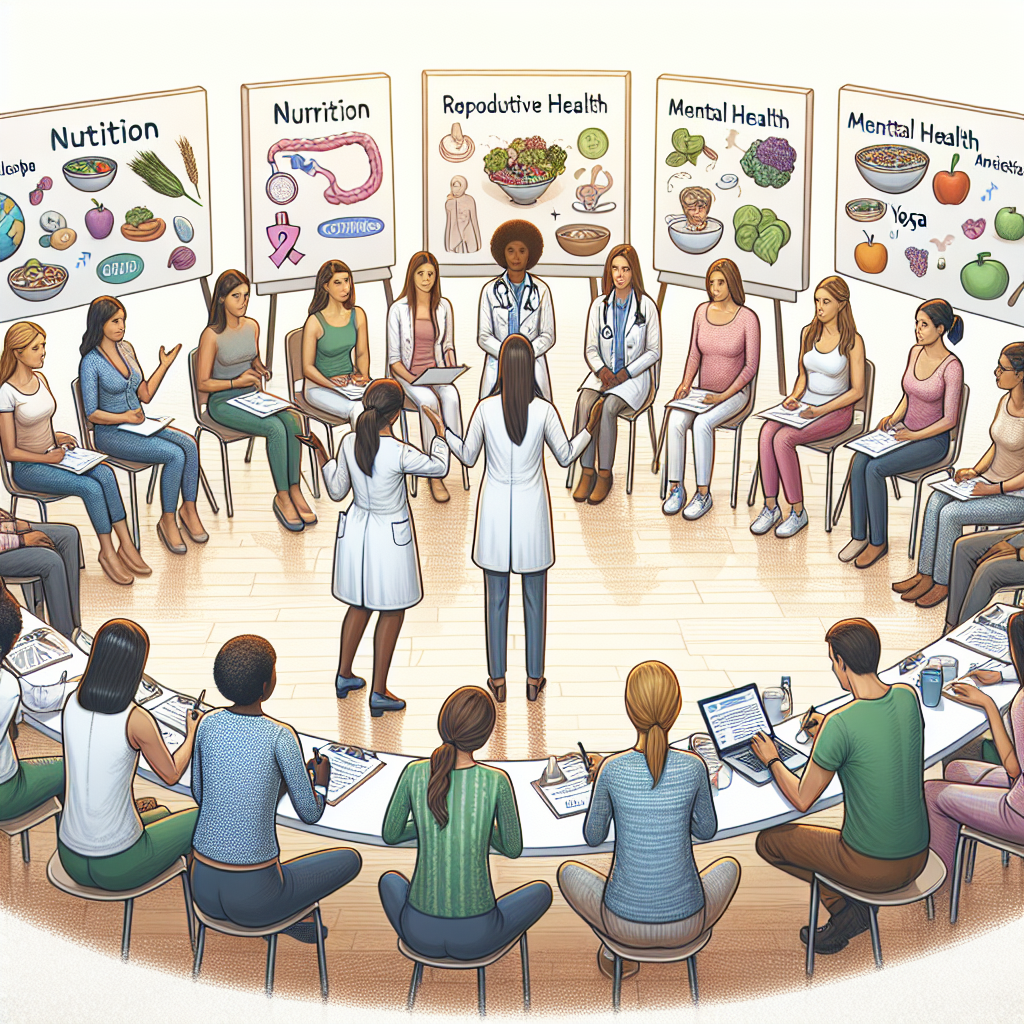
Cedars-Sinai Medical Center is addressing these gaps with a specialized conference focused exclusively on women and IBD, scheduled for September 13. The event recognizes that IBD affects nearly 3 million Americans, but women face additional complexities that are often overlooked in standard care approaches. The conference will bring together medical experts, patients, and families to address topics like fertility concerns, pregnancy management, hormonal influences on disease activity, nutrition, mental health, and adolescent challenges. The morning session will focus on clinical updates for healthcare providers, while the afternoon will offer practical guidance and community support for patients and their families.
This post summarizes reporting from the original source. Our analysis represents IBD Movement’s perspective and is intended to help patients understand how this news may affect them. Read the original article for complete details.
What This Means for the IBD Community
This conference represents something we’ve been advocating for at IBD Movement: recognition that women with IBD need specialized care approaches. For too long, women’s unique concerns have been treated as footnotes to general IBD care, but the reality is that gender significantly impacts how IBD manifests and how it should be managed.
Think about the complexity of medication decisions when you’re a woman of childbearing age. You’re not just considering effectiveness and side effects—you’re weighing potential impacts on fertility and pregnancy safety. You might find yourself choosing between optimal disease control and family planning goals, a decision that men with IBD rarely face in the same way.
The hormonal component adds another layer of complexity. Many women notice their IBD symptoms fluctuate with their menstrual cycles, but this connection is often dismissed or inadequately addressed in standard care. Some women experience flares during menstruation or ovulation, while others find that hormonal contraceptives or hormone replacement therapy affects their disease activity. These patterns deserve serious medical attention, not just acknowledgment.
Mental health considerations also differ for women with IBD. Research suggests women are more likely than men to experience anxiety and depression related to their chronic illness, and they often face additional pressures around body image, fertility concerns, and societal expectations about motherhood and caregiving roles.
From a practical standpoint, conferences like this one create ripple effects throughout the medical community. When specialists gather to focus specifically on women’s IBD concerns, it validates these issues and encourages more research, better clinical protocols, and improved patient care. The knowledge shared at this conference will likely influence how gastroenterologists approach women’s care in clinics across the country.
Questions to Discuss with Your Healthcare Team
Whether or not you can attend this conference, it’s a good reminder to advocate for gender-specific care in your own treatment. Consider bringing these topics to your next appointment:
- How might my menstrual cycle be affecting my IBD symptoms, and should we track this pattern?
- What are my options for family planning with IBD, and how do different medications affect fertility and pregnancy?
- Are there female IBD specialists or women’s health programs in my area?
- How can I address the emotional and mental health aspects of living with IBD as a woman?
- What resources are available for connecting with other women who have IBD?
The adolescent focus mentioned in the conference is particularly important. Young women with IBD face unique challenges as they navigate puberty, dating relationships, college decisions, and early career planning while managing a chronic illness. They need age-appropriate resources and role models who understand their specific concerns.
What’s especially encouraging about this conference is its emphasis on community building. Medical information is crucial, but the power of connecting with other women who truly understand your experience can’t be overstated. When you meet other women who’ve successfully managed IBD through pregnancy, built careers despite flares, or found ways to maintain active social lives, it expands your sense of what’s possible.
This event also signals a broader shift in IBD care toward more personalized, patient-centered approaches. We’re moving beyond one-size-fits-all treatment protocols to recognize that effective IBD management must account for individual factors including gender, age, life stage, and personal goals.
The Bottom Line
Conferences like the Cedars-Sinai women and IBD event matter because they validate what many women with IBD have long known: their experiences and needs are unique and deserve specialized attention. While not everyone can attend this particular conference, its existence sends an important message to the medical community about the need for gender-specific IBD care.
If you’re a woman with IBD, this is your reminder to seek out healthcare providers who take your gender-specific concerns seriously, to connect with other women who share your experience, and to advocate for the comprehensive care you deserve. Your questions about fertility, hormones, pregnancy, and the unique ways IBD affects your life as a woman are valid and important—and increasingly, the medical community is recognizing that truth.
IBD Movement provides information for educational purposes only. This content is not intended to be a substitute for professional medical advice, diagnosis, or treatment. Always seek the advice of your physician or other qualified health provider with any questions you may have regarding a medical condition.
Related Posts

Beyond Diet: Why Comprehensive Care Is Essential for Managing Crohn’s Disease
April 17, 2026
AI Revolution in IBD Care: How Artificial Intelligence Could Transform Your Treatment Journey
April 16, 2026
JAK Inhibitors in Crohn’s Disease: Navigating Safety Concerns and Treatment Decisions
April 15, 2026