New Crohn’s Treatment Shows Promise for Real Healing
If you’re living with Crohn’s disease, you know the feeling all too well—that mixture of hope and skepticism when you hear about another “breakthrough” treatment. We’ve been down this road before, haven’t we? Trying medication after medication, sometimes feeling like we’re just playing whack-a-mole with symptoms while our guts continue their internal war.
But every so often, something comes along that feels genuinely different. Something that doesn’t just promise to quiet the storm, but actually aims to help our bodies rebuild what’s been torn down. Today, I want to talk about one of those moments—and why this particular development has caught my attention in a way that feels both cautiously optimistic and deeply personal.
Summary of AstraZeneca’s Promising Phase IIa Study on AZD7798 for Crohn’s Disease
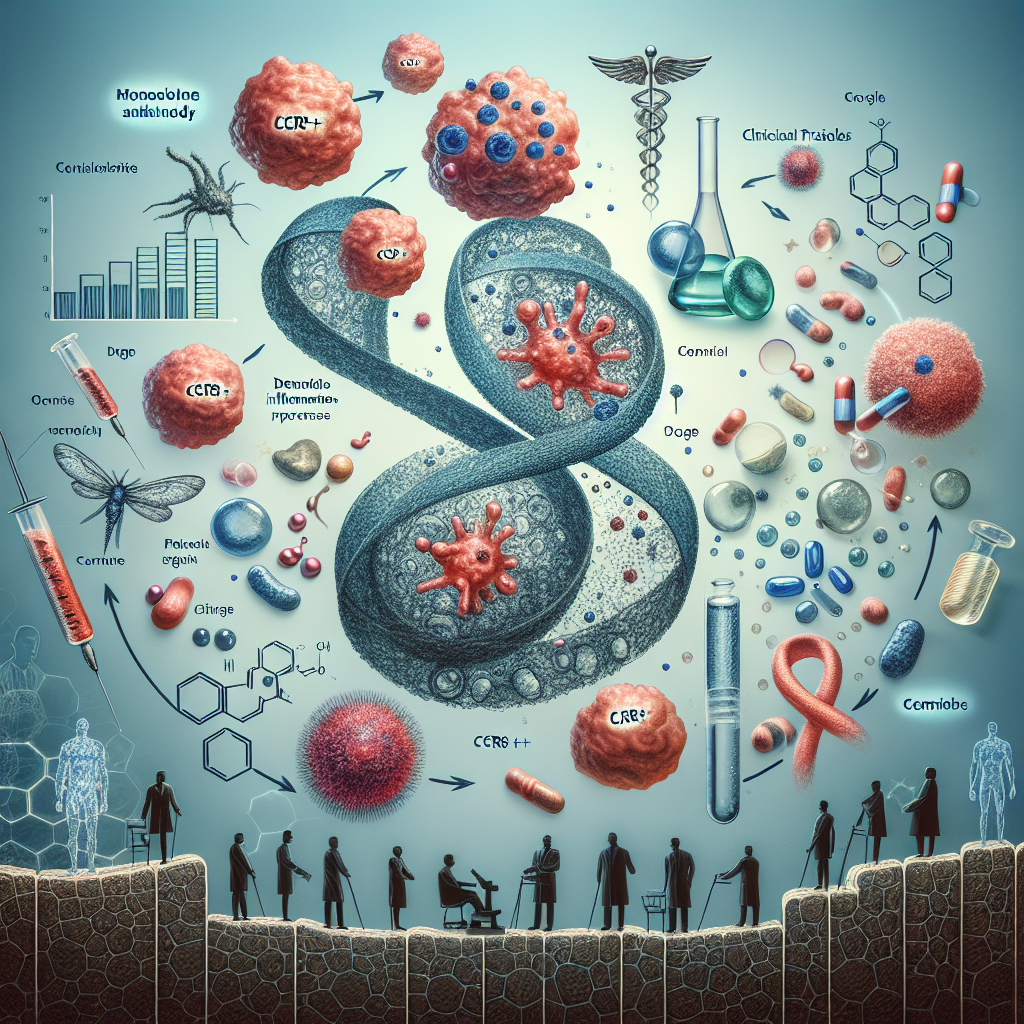
AstraZeneca has entered the Crohn’s disease treatment arena with an experimental drug called AZD7798, a monoclonal antibody designed to target specific immune cells that drive inflammation in our intestines. Unlike many current treatments that broadly suppress the immune system, this approach aims to precisely target the problematic cells while allowing the rest of our immune system to function normally.
The company is currently running two Phase II clinical trials—AMALTHEA and CALLISTO—involving patients with moderate to severe Crohn’s disease, including those who have undergone surgery for active disease. The primary goal isn’t just symptom management, but actual healing of the intestinal lining and achieving long-term remission. The trials are designed to measure both clinical improvement and actual tissue repair, representing a potentially significant shift toward treatments that address the root cause rather than just managing symptoms.
This post summarizes reporting from AstraZeneca’s Promising Phase IIa Study on AZD7798 for Crohn’s Disease. Our analysis represents IBD Movement’s perspective and is intended to help patients understand how this news may affect them. Read the original article for complete details.
What This Means for the IBD Community
Let me be clear about something: I’m not here to sell you on false hope. We’ve all been burned by treatments that sounded revolutionary in press releases but fell short in real life. But there are several aspects of this development that genuinely excite me as someone who follows IBD research closely and understands what our community truly needs.
First, the precision approach matters more than you might realize. Most of our current biologics work like sledgehammers—effective, but they suppress our entire immune system to quiet the inflammation. This leaves us vulnerable to infections and other complications. AZD7798’s targeted approach could potentially offer the anti-inflammatory benefits we need while keeping the rest of our immune system intact and functional.
Second, the focus on actual healing—not just symptom suppression—represents a fundamental shift in how we think about Crohn’s treatment. For too long, we’ve accepted that “managing” the disease is the best we can hope for. The idea that a treatment might actually help our intestinal lining repair itself and stay repaired is genuinely groundbreaking.
But here’s what really gets my attention: the inclusion of post-surgical patients in these trials. If you’ve had surgery for Crohn’s, you know the constant worry about recurrence. The fact that this treatment is being studied specifically in people who’ve already faced surgery suggests the researchers understand something crucial—we need treatments that can prevent the cycle of inflammation, damage, surgery, and recurrence that defines so many of our experiences.
Practical Implications for Your Daily Life
So what might this mean for you, practically speaking? If AZD7798 proves successful, we could be looking at a treatment option that:
- Reduces the need for steroids and their awful side effects
- Allows for more predictable, stable remissions
- Decreases the likelihood of needing surgery or repeat surgeries
- Preserves immune function for better overall health
- Potentially reduces the anxiety that comes with never knowing when the next flare will hit
Imagine planning a vacation without wondering if you’ll be stuck in a bathroom the whole time. Picture making career decisions without factoring in your unpredictable health. Think about the mental space that opens up when you’re not constantly monitoring every twinge and gurgle for signs of trouble.
Questions to Consider for Your Next Doctor Visit
If you’re intrigued by this development, here are some questions you might want to discuss with your gastroenterologist:
- How does my current treatment plan compare to this targeted approach?
- Given my specific case history, would I potentially be a candidate for this type of treatment?
- Are there clinical trials for similar targeted therapies that might be appropriate for me now?
- How should we monitor my current treatment to prepare for potentially switching to more targeted options in the future?
Remember, your doctor knows your case better than anyone, and they can help you understand where you might fit in the evolving landscape of IBD treatment.
The Bigger Picture in IBD Research
This development fits into a broader trend that has me genuinely optimistic about the future of IBD treatment. We’re moving away from the “one-size-fits-all” approach toward precision medicine that recognizes the unique inflammatory pathways driving each person’s disease.
We’re seeing similar targeted approaches being developed for ulcerative colitis, new diagnostic tools that can predict which treatments will work best for specific patients, and even research into the role of the microbiome in preventing flares. The combination of all these advances suggests we’re entering an era where IBD might truly become a manageable condition rather than a life-defining struggle.
But perhaps most importantly, the very fact that a major pharmaceutical company like AstraZeneca is investing heavily in Crohn’s research signals something significant: our community is being heard. The days when IBD was considered a “rare disease” that didn’t warrant major research investment are behind us. Companies recognize that there’s both a medical need and a market opportunity in developing better treatments for us.
Of course, we’re still in the early stages. Phase II trials are just the beginning, and even if everything goes perfectly, we’re likely looking at several years before AZD7798 might be available to patients. But the principle it represents—that we deserve treatments designed for healing, not just managing—is already changing how researchers approach IBD.
Bottom Line
Living with Crohn’s means learning to balance hope with realism, and I don’t want to upset that delicate balance. But I also don’t want us to become so jaded by past disappointments that we miss genuinely promising developments.
AZD7798 represents the kind of thinking that our community has been waiting for—precise, healing-focused, and designed with our real-world needs in mind. Whether this specific treatment succeeds or not, it’s part of a wave of innovation that’s bringing us closer to the day when Crohn’s disease becomes just another manageable chronic condition, rather than the life-altering diagnosis it is today. And that future, I believe, is worth getting cautiously excited about.
IBD Movement provides information for educational purposes only. This content is not intended to be a substitute for professional medical advice, diagnosis, or treatment. Always seek the advice of your physician or other qualified health provider with any questions you may have regarding a medical condition.
Related Posts

Beyond Diet: Why Comprehensive Care Is Essential for Managing Crohn’s Disease
April 17, 2026
AI Revolution in IBD Care: How Artificial Intelligence Could Transform Your Treatment Journey
April 16, 2026
JAK Inhibitors in Crohn’s Disease: Navigating Safety Concerns and Treatment Decisions
April 15, 2026