When Food Becomes the Enemy: Diet’s Hidden Role in IBD Flares
You know that sinking feeling when you’re halfway through a meal and suddenly realize this might be the bite that sets off another flare. It’s one of the cruelest ironies of living with IBD—food, something that should nourish and comfort us, becomes a source of anxiety and uncertainty. You find yourself second-guessing every food choice, wondering if that seemingly innocent snack will be the trigger that sends you spiraling into days or weeks of symptoms.
This internal struggle with food isn’t just in your head. There’s real science backing up what many of us have suspected all along: what we eat can significantly impact our IBD symptoms. The challenge is that everyone’s triggers seem different, and what works for one person might be disastrous for another. It’s like trying to solve a puzzle where the pieces keep changing shape.
Summary of What diet pattern worsens inflammatory bowel disease?
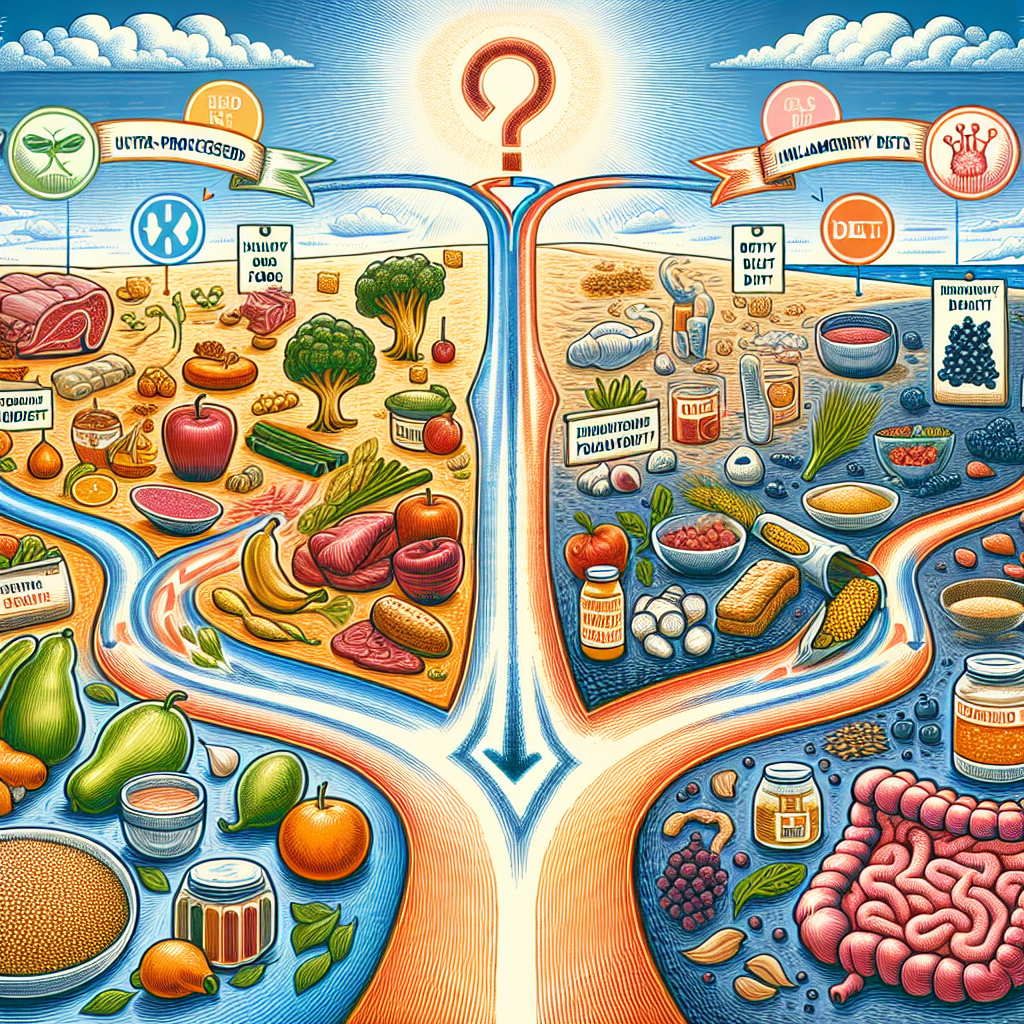
Recent research continues to build evidence around the connection between diet and IBD symptoms. Studies consistently show that diets high in ultra-processed foods, red meat, and refined sugars can increase inflammation in the digestive tract, potentially worsening IBD symptoms and quality of life. On the flip side, anti-inflammatory eating patterns—such as the IBD Anti-Inflammatory Diet (IBD-AID) and Mediterranean-style diets—show promise in helping manage symptoms.
These dietary approaches typically emphasize whole foods, omega-3 rich fish, olive oil, fruits, and vegetables while limiting processed foods and inflammatory triggers. The research suggests that making these dietary changes might help reduce flare frequency and intensity, though individual responses can vary significantly. Additionally, online communities and social media platforms are becoming valuable resources for people with IBD to share experiences and dietary strategies that have worked for them.
This post summarizes reporting from What diet pattern worsens inflammatory bowel disease?. Our analysis represents IBD Movement’s perspective and is intended to help patients understand how this news may affect them. Read the original article for complete details.
What This Means for the IBD Community
This research validates something many of us have experienced firsthand—that food can be both medicine and poison when you’re living with IBD. But here’s what I find particularly meaningful about these findings: they offer us concrete evidence to take to our healthcare providers and family members who might not fully understand how seriously diet affects our condition.
Let’s be honest about what this research doesn’t do, though. It doesn’t give us a magic bullet diet that will work for everyone with IBD. What it does do is provide a framework for thinking about food choices in a more systematic way. When researchers talk about “ultra-processed foods” being inflammatory, they’re referring to things like packaged snacks, sugary cereals, processed meats, and foods with long ingredient lists full of additives and preservatives. These are often the convenient foods we reach for when we’re exhausted from dealing with symptoms—which creates this frustrating cycle.
The Mediterranean diet and IBD-AID approaches mentioned in the research aren’t just about restriction—they’re about abundance in different categories. Think colorful vegetables, healthy fats from olive oil and fish, and whole grains that your system can actually process. But here’s the reality check: transitioning to these eating patterns when you’re in the middle of a flare, or when you’re dealing with strictures, or when certain “healthy” foods are your personal triggers, can feel impossible.
This is where the community aspect becomes crucial. The research mentions social media communities, and I can’t overstate how valuable these connections can be. When traditional nutrition advice feels tone-deaf to the IBD experience, finding people who understand that sometimes toast and broth are victory meals can be life-changing. These communities are where you’ll find real-world adaptations of anti-inflammatory diets that account for IBD realities.
One thing I’d encourage everyone to consider is how to have productive conversations with your gastroenterologist about diet. This research gives you language to use: you can ask about anti-inflammatory eating patterns, discuss your experiences with ultra-processed foods, and request referrals to dietitians who specialize in IBD. Many doctors are becoming more open to discussing diet as part of comprehensive IBD management, especially as research like this continues to emerge.
It’s also worth noting that this research highlights something many of us have learned through trial and error: small changes can have significant impacts. You don’t have to overhaul your entire diet overnight. Maybe it starts with swapping out one processed snack for something whole and simple. Maybe it’s adding omega-3 rich foods twice a week. The key is finding sustainable changes that work with your lifestyle, symptom patterns, and food tolerances.
The connection between stress and eating is another layer worth considering. When we’re anxious about food triggering symptoms, that stress itself can affect our digestion. This research supports taking a more scientific, less fearful approach to food choices. Instead of randomly restricting foods based on anxiety, we can make informed decisions based on inflammatory potential while still monitoring our individual responses.
Questions to Discuss with Your Healthcare Team
This research opens up several important conversations you might want to have with your medical team:
- How might an anti-inflammatory eating pattern fit into your current IBD management plan?
- Are there specific ultra-processed foods you should prioritize eliminating based on your symptom patterns?
- Would working with a registered dietitian who specializes in IBD be beneficial for you?
- How should you approach dietary changes during different phases of your disease (remission vs. active flares)?
- What role might food journaling play in identifying your personal inflammatory triggers?
Remember that dietary interventions work best as part of comprehensive IBD care, not as replacements for medical treatment. Your doctor can help you understand how dietary changes might complement your medications and other therapies.
The research also suggests that we’re moving toward a more personalized approach to IBD nutrition. While we wait for more precise tools to predict individual responses to foods, we can use these general principles as starting points while paying close attention to our body’s feedback. This isn’t about perfection—it’s about progress and finding what works for your unique situation.
What gives me the most hope about this research is that it acknowledges both the complexity of IBD and the potential for improvement through accessible lifestyle changes. You don’t need expensive supplements or extreme diets—you need information, support, and patience with yourself as you figure out what works. And increasingly, you don’t have to figure it out alone, thanks to both emerging research and growing communities of people who truly understand the journey.
The path forward isn’t about following someone else’s perfect IBD diet—it’s about using evidence-based principles to create an eating pattern that supports your health while being realistic about your life circumstances. Some days, that might mean a perfectly balanced anti-inflammatory meal. Other days, it might mean choosing the least processed option available when you’re too exhausted to cook. Both can be part of a healing approach to food and IBD.
IBD Movement provides information for educational purposes only. This content is not intended to be a substitute for professional medical advice, diagnosis, or treatment. Always seek the advice of your physician or other qualified health provider with any questions you may have regarding a medical condition.
Related Posts

Beyond Diet: Why Comprehensive Care Is Essential for Managing Crohn’s Disease
April 17, 2026
AI Revolution in IBD Care: How Artificial Intelligence Could Transform Your Treatment Journey
April 16, 2026
JAK Inhibitors in Crohn’s Disease: Navigating Safety Concerns and Treatment Decisions
April 15, 2026