Transform Doctor Visits: Your IBD Appointment Prep Guide
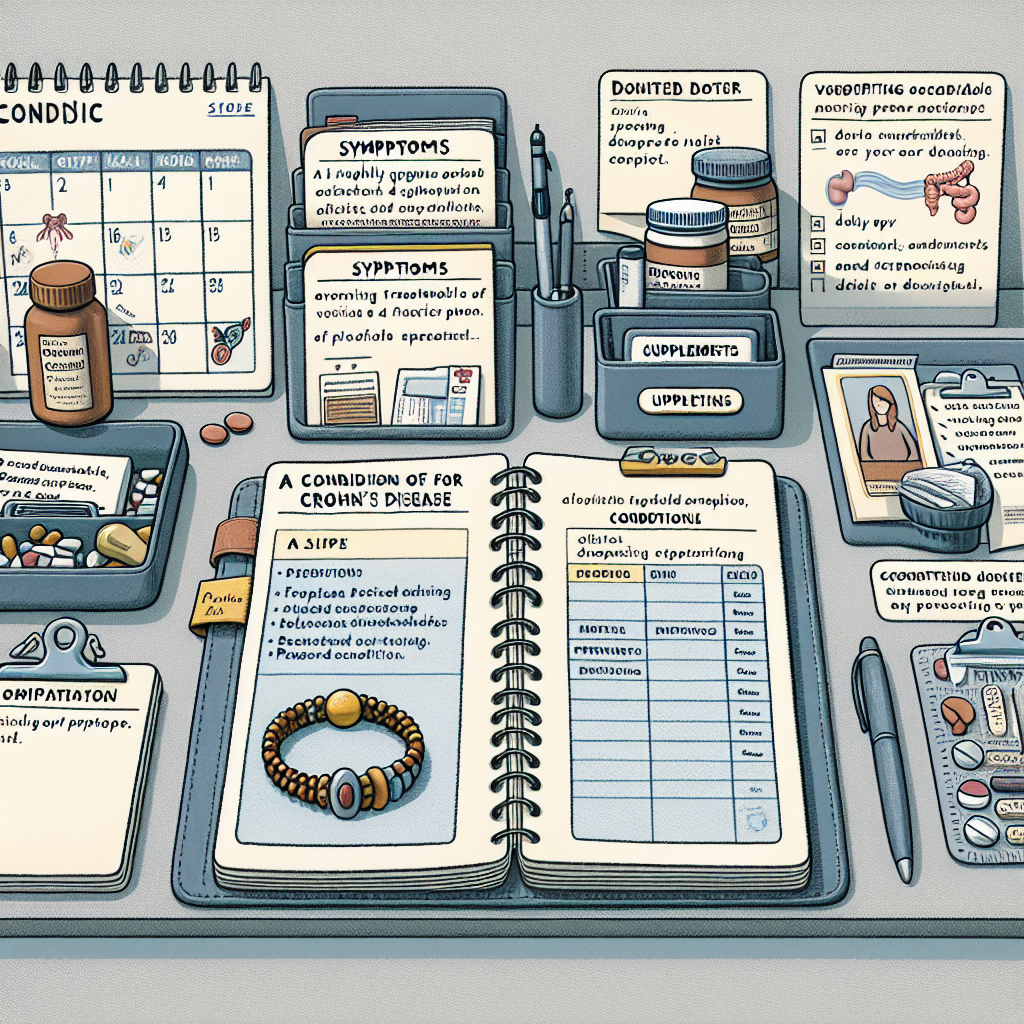
That sinking feeling when you walk out of a doctor’s appointment knowing you forgot to mention something important—we’ve all been there. For those of us living with IBD, these moments feel especially crucial. Your gastroenterologist has maybe 15 minutes to understand how you’ve been feeling since your last visit, adjust medications, and address your concerns. It’s a lot of pressure, and it’s completely normal to feel overwhelmed.
The truth is, many of us have learned the hard way that preparation can make or break these appointments. When you’re dealing with the unpredictable nature of Crohn’s or ulcerative colitis, every detail matters—and having a system in place can transform those stressful visits into productive conversations about your care.
Summary of HealthCentral
A recent article highlights the transformative power of preparation for Crohn’s disease appointments. The key strategies include: keeping detailed symptom tracking (including seemingly minor issues like fatigue or skin changes), maintaining an updated list of all medications and supplements, preparing questions in advance, and bringing a trusted friend for support. The article emphasizes that understanding your diagnosis—including asking about medical terms like “stricture” and “fistula”—empowers patients to take control of their care. Most importantly, preparation is framed not just as practical advice, but as a form of self-advocacy that can reduce anxiety and improve health outcomes.
This post summarizes reporting from HealthCentral. Our analysis represents IBD Movement’s perspective and is intended to help patients understand how this news may affect them. Read the original article for complete details.
What This Means for the IBD Community
This approach to appointment preparation speaks to something many of us in the IBD community know all too well: the frustration of feeling unheard or misunderstood during medical visits. When you’re living with a complex, invisible condition, the stakes feel higher. Your symptoms don’t always follow textbook patterns, and the connection between your gut health and other aspects of your wellbeing—sleep, energy, mood, joint pain—isn’t always obvious to healthcare providers who see you briefly every few months.
What’s particularly valuable about this systematic approach is how it addresses the unique challenges IBD patients face. Our symptoms can be cyclical, unpredictable, and sometimes embarrassing to discuss. Having a written record removes the pressure of remembering everything in the moment and ensures you don’t minimize important changes because they happened weeks ago during a flare that’s since calmed down.
The emphasis on tracking “seemingly minor” symptoms is especially relevant for IBD patients. Many of us have learned that our condition affects far more than just our digestive system. That persistent fatigue, those achy joints, the skin issues that come and go—these aren’t separate problems. They’re often connected to your IBD, and recognizing these patterns can lead to better overall management of your condition.
Consider creating a simple system that works for your lifestyle. Some patients swear by smartphone apps that let them log symptoms with just a few taps. Others prefer a small notebook they can carry with them. The key is consistency and honesty—tracking the good days along with the challenging ones gives your doctor a more complete picture of how treatments are working.
The medication tracking aspect becomes especially complex for IBD patients who often juggle multiple prescriptions, over-the-counter supplements, and sometimes alternative treatments. Many of us have learned through experience that seemingly unrelated medications can interact with IBD treatments or affect symptoms. That probiotic you started taking, the iron supplement for anemia, even that antacid you use occasionally—they all matter when your doctor is evaluating your overall treatment plan.
Preparing questions in advance is particularly empowering for IBD patients because our condition often comes with so much uncertainty. Questions like “What should I watch for that might indicate my treatment isn’t working?” or “How will we know when it’s time to consider different medication options?” help you understand not just where you are today, but what to expect going forward.
The suggestion to bring a trusted friend or family member resonates with many IBD patients, especially during times when brain fog or anxiety might make it harder to process information. This person can help you remember to ask your prepared questions, take notes during the appointment, and provide emotional support when discussing difficult topics like surgery or long-term prognosis.
One aspect that deserves extra emphasis for the IBD community is the importance of understanding your specific type of IBD and current disease activity. Terms like “stricture,” “fistula,” “remission,” and “moderate disease activity” have specific meanings that directly impact your treatment options and daily life. Don’t hesitate to ask your doctor to explain these terms in plain language or to repeat information if you need clarification.
Building Your Personal Appointment Strategy
Beyond the practical preparation tips, there’s real value in thinking about these appointments as collaborative planning sessions rather than one-way evaluations. You’re not just reporting symptoms—you’re working with your healthcare team to optimize your quality of life and long-term health outcomes.
Consider discussing your personal treatment goals during these visits. Maybe your priority is maintaining remission so you can travel with confidence, or perhaps you’re focused on managing fatigue so you can be more present with your family. These conversations help your doctor understand what success looks like from your perspective and can influence treatment decisions.
For many IBD patients, the emotional and psychological aspects of living with a chronic condition are just as important as the physical symptoms. Don’t hesitate to discuss how IBD is affecting your mental health, relationships, work, or overall quality of life. These factors often influence treatment decisions and may open up conversations about additional support resources.
The preparation process itself can be therapeutic. Taking an active role in documenting your experience and advocating for your needs reinforces that you’re not powerless in the face of IBD. Each appointment becomes an opportunity to refine your treatment plan and strengthen your partnership with your healthcare team.
Remember that good preparation also means being realistic about what can be accomplished in a single visit. If you have multiple concerns, consider prioritizing them and discussing which issues are most urgent. Sometimes it’s better to thoroughly address two important topics than to rush through five different concerns.
This systematic approach to appointment preparation represents a shift from reactive to proactive healthcare management. Instead of simply responding to symptoms as they arise, you’re taking an active role in monitoring your condition and advocating for optimal care. For IBD patients, who often deal with a condition that can feel unpredictable and overwhelming, this sense of agency and control can be genuinely life-changing.
The investment in preparation pays dividends beyond individual appointments. Over time, you’ll develop a clearer understanding of your personal IBD patterns, treatment responses, and triggers. This knowledge becomes invaluable for making daily decisions about diet, activity, stress management, and when to seek additional medical attention.
IBD Movement provides information for educational purposes only. This content is not intended to be a substitute for professional medical advice, diagnosis, or treatment. Always seek the advice of your physician or other qualified health provider with any questions you may have regarding a medical condition.
Related Posts

Beyond Diet: Why Comprehensive Care Is Essential for Managing Crohn’s Disease
April 17, 2026
AI Revolution in IBD Care: How Artificial Intelligence Could Transform Your Treatment Journey
April 16, 2026
JAK Inhibitors in Crohn’s Disease: Navigating Safety Concerns and Treatment Decisions
April 15, 2026