New China Restrictions Could Delay Breakthrough IBD Treatments
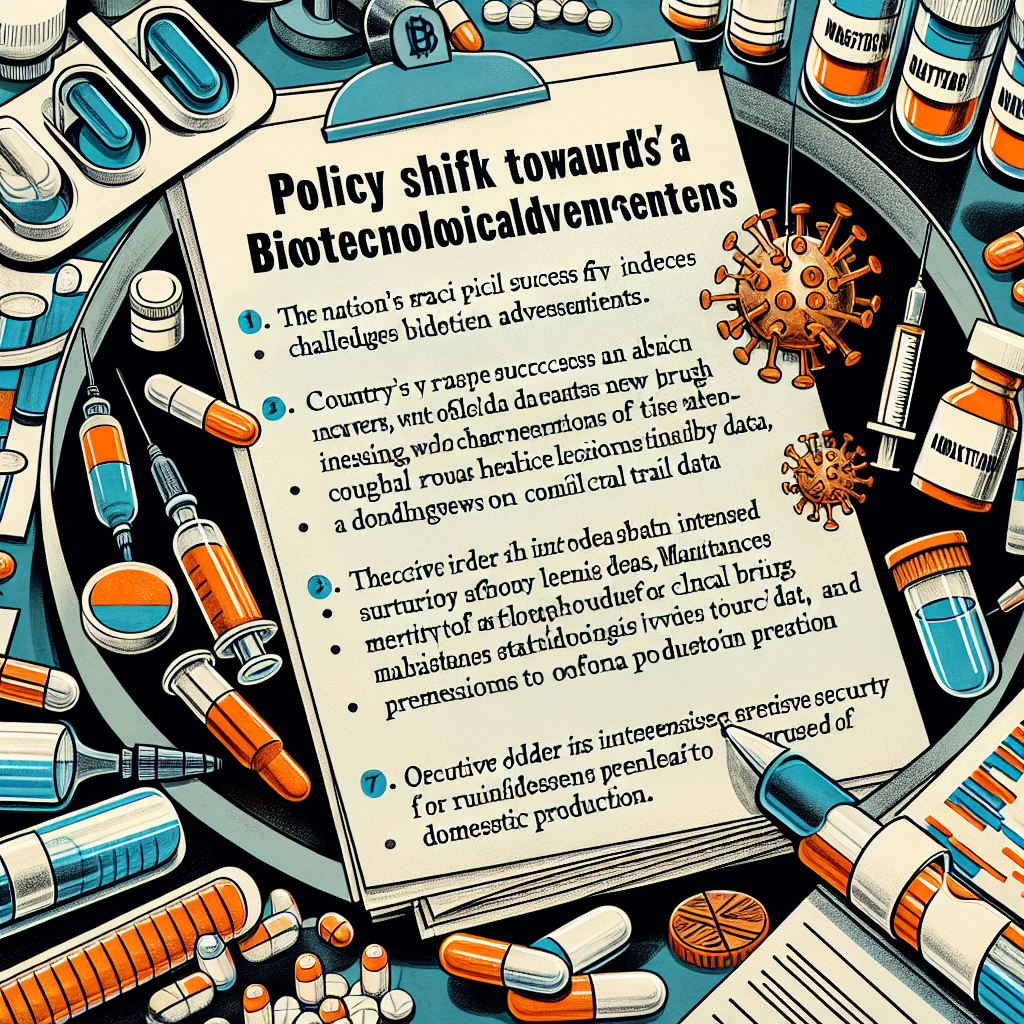
You know that feeling when you’re scrolling through treatment options with your gastroenterologist, hoping this time there might be something new—something that could finally give you the relief you’ve been searching for? That quiet hope that somewhere, somehow, researchers are working on the breakthrough that could change your life with IBD. Well, that “somewhere” might be more complicated than we thought.
A new policy debate in Washington could fundamentally change how quickly promising IBD treatments reach American patients. It’s one of those stories that starts with politics and economics but ends up being deeply personal for anyone living with chronic illness.
Summary of here
The U.S. government is considering strict new restrictions on experimental medicines developed in China, potentially affecting everything from drug approvals to research partnerships. This comes as American pharmaceutical companies have increasingly relied on Chinese biotech firms for innovative treatments—last year alone, major licensing deals brought Chinese-developed therapies to the U.S. market.
The proposed changes stem from national security concerns and a desire to reduce dependence on foreign-made medicines. However, these policies could significantly slow the approval process for new treatments, as government agencies would need to conduct more extensive reviews of any drugs with Chinese origins or components.
Currently, many medications available to American patients—including ingredients for existing drugs—originate from Chinese manufacturers or research facilities. The push toward “onshoring” pharmaceutical production might sound appealing from a security standpoint, but could create delays for patients waiting for next-generation treatments.
This post summarizes reporting from here. Our analysis represents IBD Movement’s perspective and is intended to help patients understand how this news may affect them. Read the original article for complete details.
What This Means for the IBD Community
Let’s be honest—when you’re dealing with Crohn’s disease or ulcerative colitis, you don’t really care if your next treatment was developed in Boston, Beijing, or Bangalore. What matters is whether it works, whether it’s safe, and whether you can access it when you need it.
The IBD treatment landscape has been transformed by global collaboration. Some of our most promising therapies—including advanced biologics and novel small molecules—have benefited from international research partnerships. Chinese biotech companies have been particularly innovative in developing treatments for autoimmune conditions, often at a pace that complements American research efforts.
For IBD patients, this policy shift could mean several concerning changes:
- Longer wait times for new treatments: Additional government reviews could add months or even years to the approval process for promising therapies
- Reduced treatment options: Some innovative drugs might never reach the U.S. market if partnerships become too complicated
- Increased medication costs: Limiting competition from international companies often leads to higher prices for American patients
- Slower clinical trial enrollment: International research collaborations might become more difficult, potentially slowing the pace of IBD research overall
Consider the recent success stories in IBD treatment—medications like ustekinumab (Stelara) and vedolizumab (Entyvio) that have given so many people their lives back. These breakthrough therapies often involve global research networks, international clinical trials, and complex supply chains. Restricting these collaborations doesn’t just affect future drugs; it could impact the entire ecosystem that brings innovation to patients.
There’s also a practical concern that many current IBD medications rely on ingredients or manufacturing processes that involve Chinese facilities. Supply chain disruptions could affect the availability of treatments people are already taking successfully.
From a patient advocacy perspective, this highlights why we need to stay informed about policy decisions that might seem distant from our daily health management. The reality is that breakthrough treatments rarely come from a single country or company working in isolation. The most effective therapies often emerge from collaborative efforts that span continents.
Here are some questions worth discussing with your healthcare team:
- Are any of your current medications manufactured or sourced internationally?
- What clinical trials might you be eligible for, and how might changing international policies affect trial availability?
- How can you stay informed about new treatment options that might become available despite policy changes?
- What backup treatment plans might make sense if supply chain issues affect your current medications?
This situation also underscores the importance of supporting patient advocacy organizations and staying engaged with policy discussions. When treatment access becomes politicized, patient voices become more crucial than ever. We need policymakers to understand that behind every “foreign drug” restriction is a real person hoping for better health.
The IBD community has always been resilient, partly because we understand that hope comes from many sources. Whether it’s a new understanding of the gut microbiome from European researchers, an innovative drug delivery system from a startup in California, or a breakthrough anti-inflammatory compound from scientists in Shanghai—progress in IBD treatment has always been a global effort.
While it’s natural for governments to prioritize national interests, we hope policymakers will consider the human cost of restricting medical innovation. The person waiting for a better treatment doesn’t care about the geopolitics of drug development—they care about getting their life back.
As this policy debate unfolds, it’s worth remembering that some of our most effective IBD treatments exist today because researchers and companies were able to collaborate across borders, share knowledge, and move quickly from lab to pharmacy. That collaborative spirit has saved lives and improved countless others.
The challenge now is finding ways to address legitimate security concerns without sacrificing the innovation that gives IBD patients hope for better tomorrows. It’s a delicate balance, and one that deserves careful consideration from all stakeholders—including the patient community whose lives hang in the balance.
Bottom Line: While national security considerations are important, IBD patients need policymakers to understand that restricting international medical collaboration could delay life-changing treatments. The best path forward likely involves finding ways to maintain safety and security while preserving the global partnerships that drive medical innovation. As these policies develop, staying informed and advocating for patient access will be more important than ever.
Innovation doesn’t respect borders, and neither does the hope it brings to people living with chronic illness. Whatever policies emerge, we’ll continue advocating for treatments that work—regardless of where they come from.
IBD Movement provides information for educational purposes only. This content is not intended to be a substitute for professional medical advice, diagnosis, or treatment. Always seek the advice of your physician or other qualified health provider with any questions you may have regarding a medical condition.
Related Posts

Beyond Diet: Why Comprehensive Care Is Essential for Managing Crohn’s Disease
April 17, 2026
AI Revolution in IBD Care: How Artificial Intelligence Could Transform Your Treatment Journey
April 16, 2026
JAK Inhibitors in Crohn’s Disease: Navigating Safety Concerns and Treatment Decisions
April 15, 2026