When Well-Meaning Words Wound: Supporting Your IBD Journey
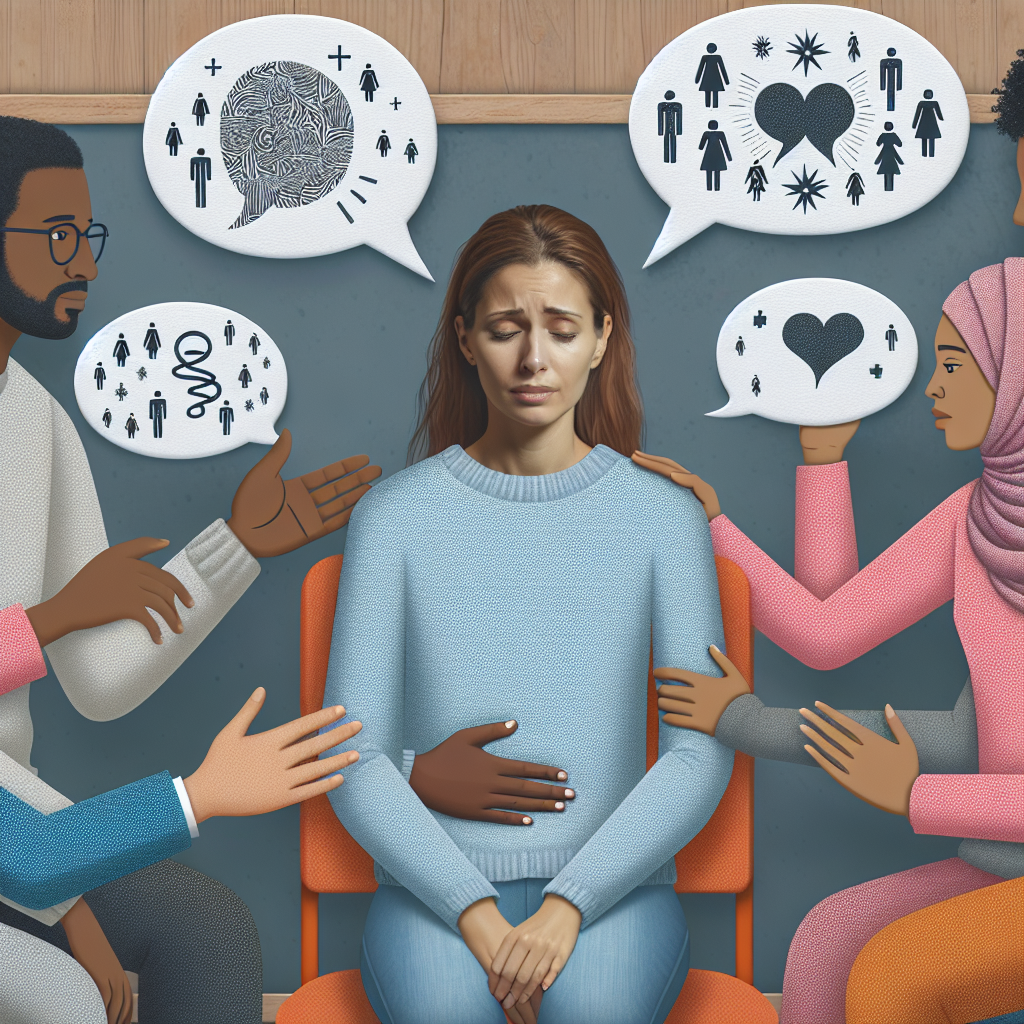
You’re standing in your kitchen, still in pajamas at 2 PM because this flare hit harder than expected. A friend calls and cheerfully suggests, “Maybe you just need to get out more!” Your heart sinks. They mean well, but in that moment, you feel more alone than ever. If you’ve lived with Crohn’s or ulcerative colitis, you know this scenario intimately—the sting of comments that minimize your reality while trying to help.
The invisible nature of IBD creates a unique form of social isolation. We master the art of looking “normal” while our bodies wage internal wars. This disconnect between our appearance and our reality opens the door to well-intentioned but harmful comments that can leave us questioning our own experiences.
Summary of Everyday Health
The article explores the emotional impact of common phrases that people with Crohn’s disease frequently hear from friends, family, and even strangers. It highlights how comments like “You don’t look sick” or “Have you tried changing your diet?” can create feelings of isolation and doubt, even when spoken with good intentions. The piece emphasizes that Crohn’s is a chronic autoimmune condition that cannot be cured through lifestyle changes or positive thinking alone. It advocates for replacing assumptions and advice-giving with genuine listening, gentle questions, and acknowledgment of the person’s experience. The article suggests that meaningful support comes through presence and empathy rather than attempts to fix or minimize someone’s struggles.
This post summarizes reporting from Everyday Health. Our analysis represents IBD Movement’s perspective and is intended to help patients understand how this news may affect them. Read the original article for complete details.
What This Means for the IBD Community
This conversation about harmful phrases touches the heart of what many of us experience daily. The emotional toll of IBD extends far beyond physical symptoms—it includes navigating a world that often fails to understand invisible illness. When someone questions whether we’re “really” sick or suggests we’re being dramatic, they’re inadvertently attacking our credibility and self-worth.
The psychological impact of these interactions cannot be overstated. Research shows that social support significantly affects outcomes for people with chronic illnesses, yet many of us report feeling more isolated after disclosure than before. This creates a vicious cycle: we need support, but sharing our struggles sometimes leads to judgment rather than understanding.
The Education Opportunity
Every awkward comment represents a teaching moment. When someone asks if you’ve “tried probiotics” or suggests that stress is causing your symptoms, they’re revealing their lack of understanding about autoimmune diseases. While it’s not our job to educate everyone, having ready responses can help both protect our emotional well-being and potentially improve their awareness.
Consider developing a few go-to phrases: “IBD is an autoimmune condition where my immune system attacks my digestive tract” or “I work closely with specialists who help me manage this complex condition.” These responses acknowledge their concern while gently correcting misconceptions.
The Caregiver Perspective
For family members and friends reading this, your loved one with IBD needs you to understand that this isn’t a phase, a choice, or something they can overcome through willpower. IBD affects every aspect of life—from career decisions to social plans to intimate relationships. The most powerful thing you can do is believe their experience without question.
Instead of offering solutions, try reflecting their feelings: “That sounds really challenging” or “I can see this is taking a lot out of you.” Ask what they need in the moment rather than assuming what would help. Sometimes it’s practical support like grocery shopping; other times it’s simply someone who will sit with them without trying to fix anything.
Building Your Support Network
Not everyone in your life will “get it,” and that’s okay. Focus your energy on cultivating relationships with people who consistently show up with empathy and understanding. This might include online communities, support groups, or that one friend who never questions when you need to cancel plans.
It’s also worth having conversations with your healthcare team about the emotional aspects of living with IBD. Many gastroenterologists now recognize the importance of mental health support and can connect you with resources like counselors who specialize in chronic illness.
Questions to Consider Discussing with Your Doctor
- How can I better communicate about my IBD with family and friends?
- Are there resources available for loved ones who want to better understand my condition?
- Would counseling or support groups be beneficial for managing the emotional aspects of IBD?
- How do I handle well-meaning but harmful advice about alternative treatments?
The Broader Context
This conversation about language and support reflects a growing awareness in healthcare about the importance of patient experience beyond clinical outcomes. Medical schools are increasingly teaching empathy and communication skills, and there’s growing recognition that how we talk about illness matters profoundly.
The IBD community has been particularly vocal about the need for better understanding of invisible disabilities. Organizations like the Crohn’s and Colitis Foundation have developed resources specifically to help friends and family members provide better support. This represents a shift toward recognizing that managing chronic illness is a community effort, not something patients should navigate alone.
Remember that you have the right to set boundaries around these conversations. You don’t owe anyone a detailed explanation of your symptoms or treatment plan. It’s perfectly acceptable to say, “I appreciate your concern, but I’m comfortable with my medical care” and change the subject.
The path forward involves both individual strategies for protecting our emotional well-being and collective efforts to improve understanding of IBD in our communities. Every time we share our story thoughtfully, we contribute to breaking down the stigma and misconceptions that make living with IBD more difficult than it needs to be.
Ultimately, the goal isn’t to turn everyone into IBD experts, but to create space for authentic relationships where our experiences are believed and respected. This starts with recognizing that we deserve support that truly supports us, not support that makes others feel better about our situation.
Living with IBD requires tremendous strength and resilience. You shouldn’t have to spend additional energy defending the validity of your experience or educating people who aren’t ready to learn. Focus on the relationships that nourish you and remember that the right people will show up in the right ways when you need them most.
IBD Movement provides information for educational purposes only. This content is not intended to be a substitute for professional medical advice, diagnosis, or treatment. Always seek the advice of your physician or other qualified health provider with any questions you may have regarding a medical condition.
Related Posts

Beyond Diet: Why Comprehensive Care Is Essential for Managing Crohn’s Disease
April 17, 2026
AI Revolution in IBD Care: How Artificial Intelligence Could Transform Your Treatment Journey
April 16, 2026
JAK Inhibitors in Crohn’s Disease: Navigating Safety Concerns and Treatment Decisions
April 15, 2026