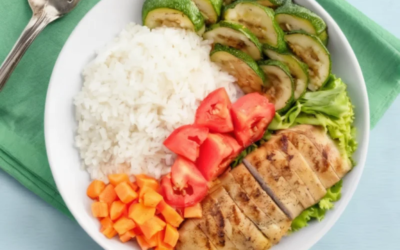
Finding Your Food Peace: Navigating Meals with Ulcerative Colitis
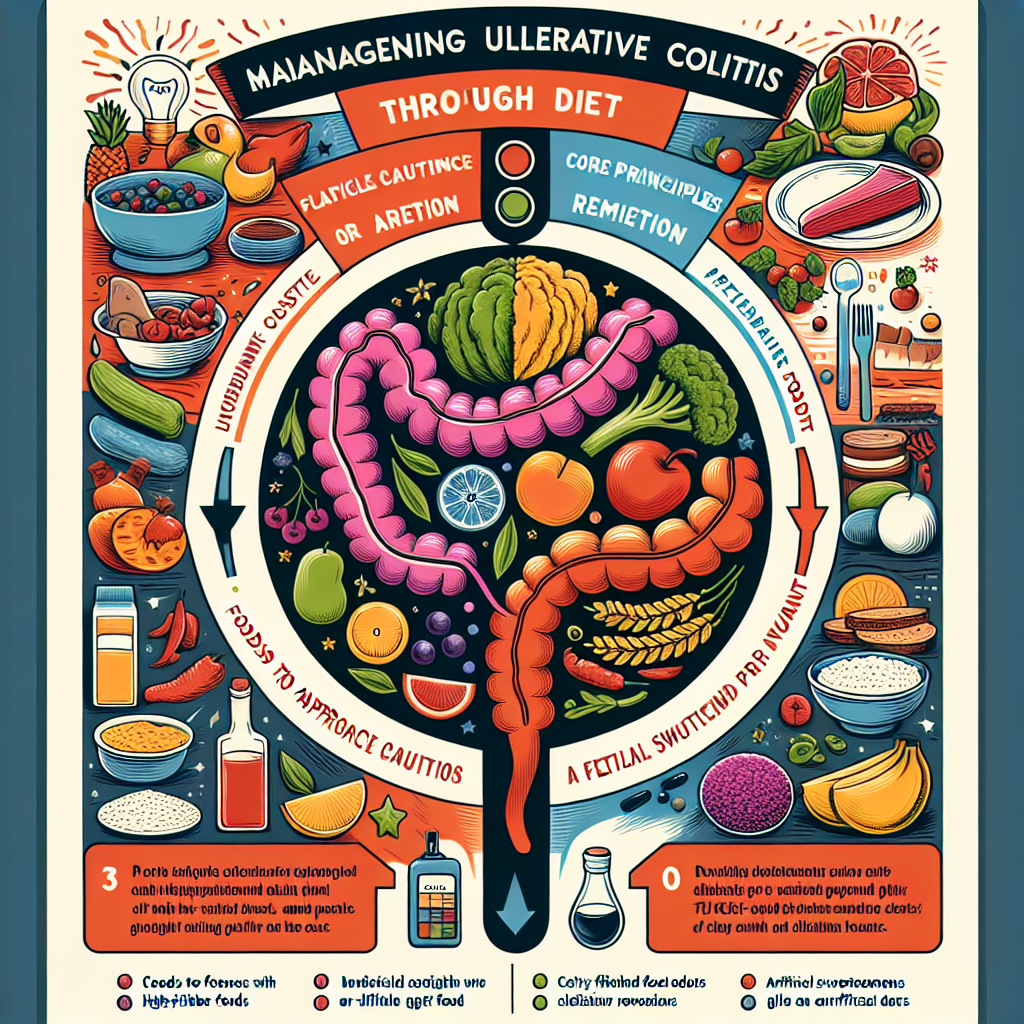
There’s something uniquely isolating about sitting at a dinner table, watching others enjoy their meals without a second thought, while you’re mentally cataloging every ingredient and calculating the potential consequences. If you’re living with ulcerative colitis, you know this feeling intimately—that moment when food transforms from fuel into a complex negotiation with your own body.
The relationship between food and UC isn’t just about nutrition; it’s deeply emotional. Every meal carries the weight of hope and anxiety, comfort and fear. You might find yourself mourning foods you once loved or feeling frustrated by the unpredictability of your symptoms. This emotional landscape around eating is just as real as the physical symptoms, and it deserves acknowledgment and compassion.
Summary of the original source
Living with ulcerative colitis means navigating food choices carefully, as each meal can either provide comfort or trigger symptoms. There’s no universal eating plan that works for everyone with UC, which can be both frustrating and liberating. The Mediterranean-style diet is often recommended by experts because of its balanced, adaptable approach, featuring gut-friendly cooked fruits, nourishing grains, heart-healthy olive oil, and gentle proteins.
Certain foods commonly aggravate an inflamed colon, including raw vegetables with tough skins, high-fat dairy products, spicy foods, and sometimes even coffee. Keeping a food diary helps identify personal triggers and patterns. The key strategies include cooking vegetables until tender, learning individual tolerance levels, and maintaining a mindful approach to eating that prioritizes gut health during remission periods.
This post summarizes reporting from the original source. Our analysis represents IBD Movement’s perspective and is intended to help patients understand how this news may affect them. Read the original article for complete details.
What This Means for the IBD Community
The emphasis on personalized nutrition in ulcerative colitis management reflects a broader shift in how we understand inflammatory bowel diseases. Rather than prescribing one-size-fits-all dietary restrictions, healthcare providers are increasingly recognizing that UC affects each person differently—and so should our approach to managing it through food.
This individualized approach can be incredibly empowering, but it also places more responsibility on patients to become active participants in their care. For many in our community, this means developing new skills: learning to read their body’s signals, becoming comfortable with food experimentation, and building confidence in making dietary decisions that support their health.
The Mediterranean diet’s prominence in UC discussions isn’t accidental. Research consistently shows that anti-inflammatory eating patterns can help reduce disease activity and support overall health. What makes the Mediterranean approach particularly appealing for UC patients is its flexibility—it’s not about rigid rules but about choosing foods that nourish without irritating.
However, we need to acknowledge the practical challenges this creates. Food experimentation requires time, energy, and often financial resources that not everyone has access to. Shopping for specialized ingredients, meal planning around symptoms, and cooking everything from scratch can feel overwhelming, especially during flare-ups when energy is already limited.
The food diary recommendation, while valuable, also highlights how much mental energy UC demands. Tracking symptoms, foods, stress levels, and medications turns eating into a data collection exercise. While this information is crucial for identifying patterns, it can also make meals feel clinical rather than enjoyable.
Questions to Discuss with Your Healthcare Team
When you next meet with your gastroenterologist or dietitian, consider exploring these topics:
- How can you safely experiment with new foods without risking a flare-up?
- What are the warning signs that a dietary change isn’t working for you?
- How do you balance nutritional needs with symptom management during active disease?
- When might you need to consider more structured dietary interventions?
- How can you maintain social connections around food while managing UC?
These conversations can help you develop a more nuanced understanding of how diet fits into your overall treatment plan, rather than trying to manage everything on your own.
The Emotional Side of Food with UC
What often gets overlooked in dietary discussions is the emotional impact of having to constantly monitor and modify your food choices. Food is deeply connected to culture, family traditions, and personal identity. When UC forces you to change these relationships, it can feel like you’re losing parts of yourself.
Many people in our community describe feeling anxious about social eating situations—dinner parties, work lunches, or family gatherings where they can’t control the menu. This social aspect of dietary management deserves attention and support. It’s okay to grieve the spontaneity you might have lost around food, while also celebrating the self-awareness and body wisdom you’ve developed.
The journey toward finding your personal eating plan isn’t just about symptom management—it’s about rebuilding trust with your body and learning to nourish yourself with both compassion and practicality.
Looking Forward: Trends in UC Nutrition Research
The focus on individualized nutrition aligns with exciting developments in IBD research, including studies on the gut microbiome, personalized medicine approaches, and the role of specific nutrients in managing inflammation. As our understanding of UC continues to evolve, we’re likely to see more sophisticated tools for helping patients identify their optimal eating patterns.
This research gives hope that the current trial-and-error approach to UC nutrition may eventually be replaced by more precise, scientifically-guided recommendations. In the meantime, the emphasis on listening to your body and working with healthcare providers remains our best strategy.
Finding comfort at the table with UC isn’t about achieving perfection—it’s about developing a sustainable, compassionate relationship with food that supports your health while honoring your humanity. Every small step toward understanding your body’s needs is valuable, even when the bigger picture still feels unclear.
Remember that your journey with food and UC is uniquely yours. What works for others may not work for you, and that’s not a failure—it’s simply the reality of living with a complex condition. Trust in your ability to learn and adapt, and don’t hesitate to seek support when the process feels overwhelming.
IBD Movement provides information for educational purposes only. This content is not intended to be a substitute for professional medical advice, diagnosis, or treatment. Always seek the advice of your physician or other qualified health provider with any questions you may have regarding a medical condition.
Related Posts

Beyond Diet: Why Comprehensive Care Is Essential for Managing Crohn’s Disease
April 17, 2026
AI Revolution in IBD Care: How Artificial Intelligence Could Transform Your Treatment Journey
April 16, 2026
JAK Inhibitors in Crohn’s Disease: Navigating Safety Concerns and Treatment Decisions
April 15, 2026