Prevention in Your Hands: Lifestyle Choices That May Lower Crohn’s Risk
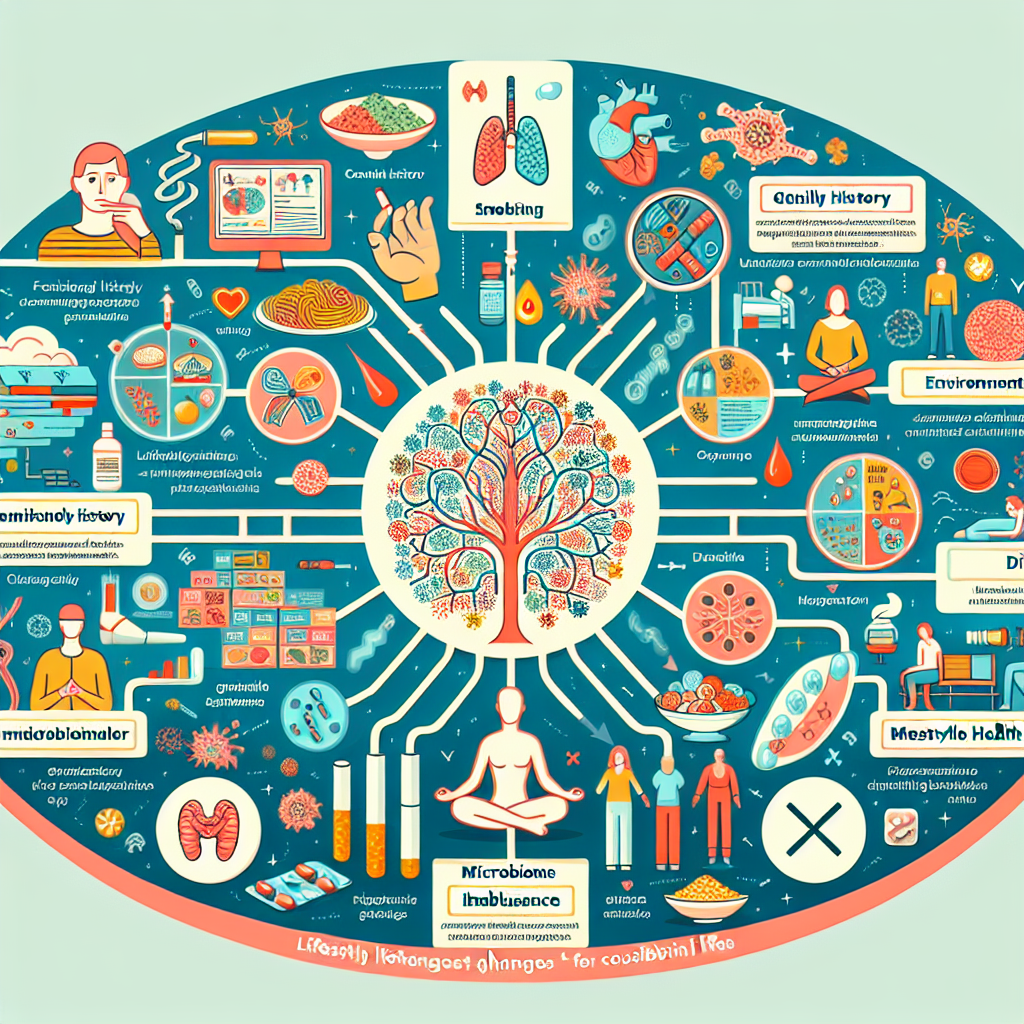
If Crohn’s disease runs in your family, you’ve probably wondered: Am I next? That quiet worry can sit with you, especially after watching someone you love navigate the challenges of inflammatory bowel disease. While we can’t change our genetics, emerging research suggests we have more power than we might think to influence our risk.
The truth is, many of us in the IBD community wish we’d known sooner about the lifestyle factors that might make a difference. Whether you’re concerned about your own risk or want to help protect loved ones, understanding how daily choices can potentially lower Crohn’s disease risk feels both empowering and hopeful.
Summary of Lowering Your Risk for Crohn’s Disease
Recent research highlights several lifestyle factors that may help reduce the risk of developing Crohn’s disease. A Mediterranean-style diet rich in fiber, fruits, and vegetables while limiting processed foods appears to offer protective benefits. Regular physical activity supports gut health and helps control inflammation throughout the body.
Smoking cessation is particularly important, as tobacco use not only increases Crohn’s risk but can also worsen symptoms in those who already have the condition. Mental health management also plays a crucial role, since chronic stress and depression can contribute to inflammation that may trigger or worsen inflammatory bowel conditions.
The research suggests that while genetics certainly influence Crohn’s risk, lifestyle modifications can help tip the scales in your favor. These changes work by reducing overall inflammation in the body and supporting a healthy gut microbiome.
This post summarizes reporting from Lowering Your Risk for Crohn’s Disease. Our analysis represents IBD Movement’s perspective and is intended to help patients understand how this news may affect them. Read the original article for complete details.
What This Means for the IBD Community
This research offers something precious to families touched by Crohn’s disease: hope backed by science. For those of us living with IBD, we often wish we could turn back time and make different choices. While we can’t change the past, this information gives us tools to potentially help protect our children, siblings, and other loved ones.
The Mediterranean diet pattern mentioned in the research isn’t just another fad—it’s a sustainable way of eating that many IBD patients already embrace during remission. The emphasis on anti-inflammatory foods like olive oil, fish, nuts, and colorful vegetables aligns perfectly with what many gastroenterologists recommend for overall gut health. What’s encouraging is that these same foods that help us manage our condition might also help prevent it in others.
The smoking connection deserves special attention in our community. We know that smoking is one of the strongest modifiable risk factors for Crohn’s disease, and unlike ulcerative colitis (where smoking might temporarily reduce symptoms), tobacco use consistently worsens Crohn’s outcomes. For family members who smoke, this research provides another compelling reason to quit—not just for their lungs, but for their long-term digestive health.
The mental health piece particularly resonates with many of us. Living with chronic illness teaches you how intimately connected your mind and gut truly are. Stress doesn’t just feel bad—it can trigger flares, worsen symptoms, and now we’re learning it might even contribute to disease development. This underscores why therapy, stress management techniques, and mental health support aren’t luxuries for at-risk individuals—they’re essential preventive care.
From a practical standpoint, these findings give families a roadmap for actionable prevention strategies. Unlike genetic counseling, which can feel overwhelming and abstract, lifestyle modifications offer concrete steps that feel manageable. A parent concerned about their child’s risk can focus on family meal planning, encouraging physical activity, and modeling healthy stress management—all while knowing these efforts might make a real difference.
For healthcare providers treating IBD patients, this research supports a more holistic approach to family counseling. Instead of just discussing genetic risks during family planning conversations, providers can now offer evidence-based lifestyle recommendations that empower families to take positive action.
The exercise component is particularly encouraging for those who worry about genetic predisposition. Regular physical activity does double duty—it supports overall health while specifically targeting the inflammatory pathways involved in Crohn’s disease. This isn’t about becoming a marathon runner; even moderate, consistent activity can provide protective benefits.
One important consideration for our community is timing. These prevention strategies work best when implemented early, ideally in childhood and young adulthood before IBD typically develops. This means the responsibility often falls on parents and caregivers who are already managing their own condition. It’s not always easy to model healthy behaviors when you’re dealing with fatigue, pain, or dietary restrictions, but knowing that these choices could protect your loved ones provides powerful motivation.
The research also highlights gaps in our current prevention efforts. Many people with family histories of Crohn’s disease don’t receive specific guidance about risk reduction until symptoms appear. This represents an opportunity for healthcare systems to develop better screening and prevention programs for at-risk individuals.
Questions to Discuss with Your Doctor
If you have a family history of Crohn’s disease, consider discussing these points with your healthcare provider:
- What specific dietary patterns might be most beneficial for your family’s risk profile?
- How can family members who smoke access effective cessation programs?
- What stress management techniques have shown the most promise for gut health?
- Should at-risk family members be monitored differently or more frequently?
- Are there any genetic factors in your family that might influence which prevention strategies to prioritize?
These conversations can help personalize prevention strategies based on your unique family history and circumstances. Your doctor might also be aware of clinical trials or emerging research that could benefit at-risk family members.
While we can’t eliminate genetic risk, this research shows we’re far from powerless. Every healthy meal, every walk, every stress management session, and every day without smoking builds a foundation of protection. For families touched by Crohn’s disease, that’s not just information—it’s hope in action.
The journey with IBD teaches us that small, consistent choices compound over time. The same principle applies to prevention. You don’t need to overhaul everything overnight, but every positive change moves the needle in the right direction. Whether it’s swapping processed snacks for fresh fruit, taking evening walks as a family, or prioritizing mental health support, these choices create ripple effects that could last generations.
IBD Movement provides information for educational purposes only. This content is not intended to be a substitute for professional medical advice, diagnosis, or treatment. Always seek the advice of your physician or other qualified health provider with any questions you may have regarding a medical condition.
Related Posts

Beyond Diet: Why Comprehensive Care Is Essential for Managing Crohn’s Disease
April 17, 2026
AI Revolution in IBD Care: How Artificial Intelligence Could Transform Your Treatment Journey
April 16, 2026
JAK Inhibitors in Crohn’s Disease: Navigating Safety Concerns and Treatment Decisions
April 15, 2026