A $36 Billion Promise: What IBD Treatment Growth Means for You
If you’re living with IBD, you know that feeling when someone asks “Have you tried…” and suggests yet another remedy that clearly shows they don’t understand what you’re going through. But what if I told you that the people who do understand—the researchers, pharmaceutical companies, and healthcare innovators—are investing more money and energy into IBD treatments than ever before?
It’s not just wishful thinking. The numbers tell a story of unprecedented commitment to transforming how we treat Crohn’s disease and ulcerative colitis, and it’s happening right now.
Summary of United States Inflammatory Bowel Disease Market Growth Fueled
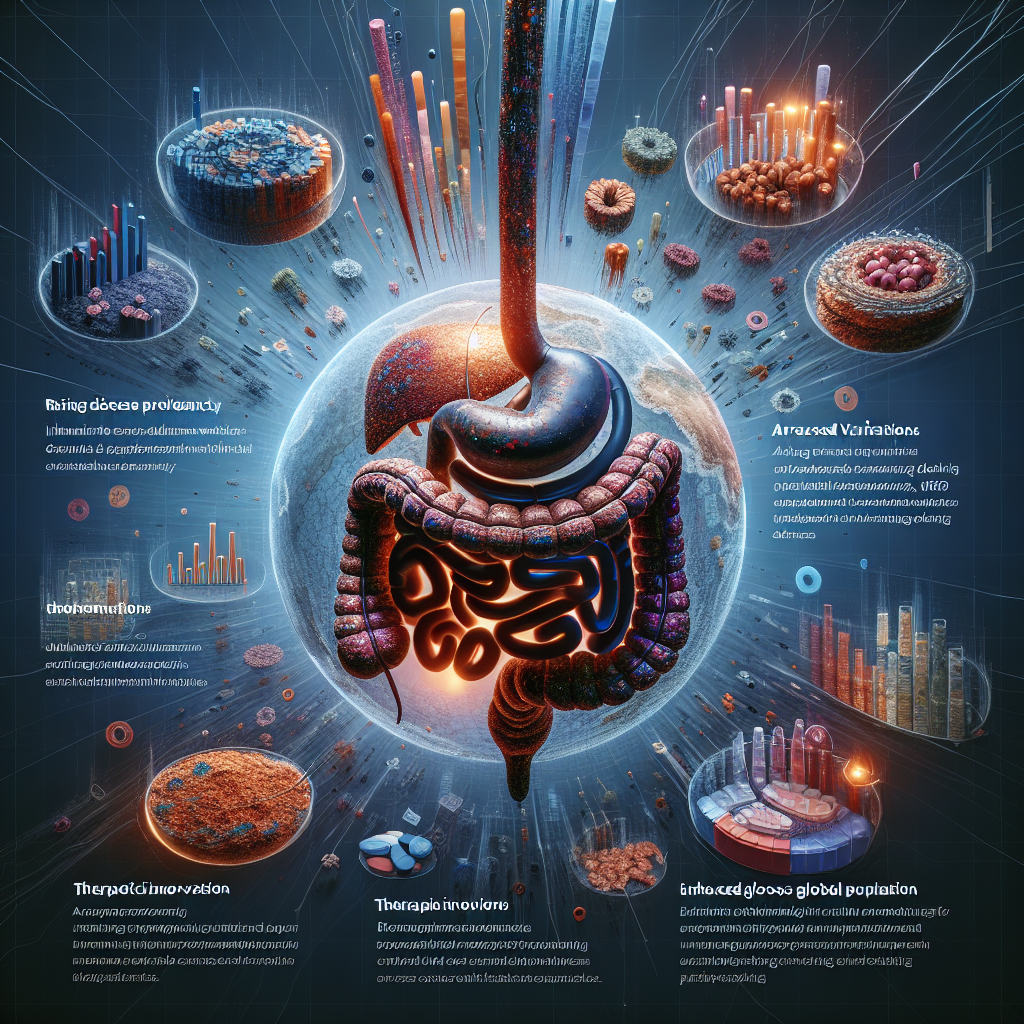
Recent market analysis reveals that the IBD treatment market is experiencing remarkable growth, with current valuations between $22.9 and $25.5 billion projected to reach nearly $36 billion by the early 2030s. This growth is driven by several key factors: over five million people worldwide now live with Crohn’s disease or ulcerative colitis, improved diagnostic capabilities are identifying patients earlier, and pharmaceutical companies are investing heavily in personalized medicine approaches.
The expansion reflects not just increased awareness but also the development of sophisticated new medications tailored to individual genetic profiles rather than traditional one-size-fits-all treatments. However, challenges remain, particularly around the high costs of advanced therapies and the need for better understanding of how IBD affects different patient populations.
This post summarizes reporting from United States Inflammatory Bowel Disease Market Growth Fueled. Our analysis represents IBD Movement’s perspective and is intended to help patients understand how this news may affect them. Read the original article for complete details.
What This Means for the IBD Community
When I first read about this $36 billion projection, my immediate thought wasn’t about the money—it was about what that investment represents for everyone in our community who’s ever had to cancel plans because of a flare, or who’s tried medication after medication hoping to find “the one” that works.
This kind of market growth doesn’t happen in a vacuum. It happens because pharmaceutical companies, investors, and researchers believe there’s both a need and an opportunity to do better for IBD patients. And frankly, they’re right on both counts.
The Promise of Personalized Treatment
One of the most exciting aspects of this growth is the shift toward personalized medicine. For too long, IBD treatment has felt like a guessing game—try this biologic, see if it works, move to the next one if it doesn’t. But genetic profiling and biomarker testing are starting to change that approach.
Imagine going to your gastroenterologist and, instead of starting with the “standard” first-line treatment, they can look at your specific genetic markers and predict which medication is most likely to work for your particular case of IBD. That’s not science fiction—it’s increasingly becoming reality, and this market growth is funding that research.
What to Discuss with Your Doctor
This news raises several important questions you might want to explore with your healthcare team:
- Are there new treatment options that might be appropriate for your specific situation?
- Would genetic testing or biomarker analysis help guide your treatment decisions?
- What clinical trials might be available to you, especially if current treatments aren’t providing adequate relief?
- How can you stay informed about emerging therapies that might benefit you?
The Reality Check: Cost and Access
Let’s be honest about the elephant in the room—these advanced treatments often come with advanced price tags. Even with this massive investment in IBD treatment development, access remains a significant challenge for many patients. Insurance coverage can be inconsistent, prior authorization requirements can delay treatment starts, and even with insurance, out-of-pocket costs can be overwhelming.
However, increased competition in the IBD treatment space—which this market growth reflects—historically leads to more options and, eventually, more affordable alternatives. Biosimilars have already started making some biologic treatments more accessible, and continued investment should accelerate this trend.
Looking Beyond Medications
While much of this investment focuses on pharmaceutical treatments, the growing IBD market also encompasses diagnostic tools, monitoring technologies, and supportive care services. We’re seeing innovations in:
- At-home monitoring devices that can track inflammation markers
- Digital health platforms that help manage symptoms and medication adherence
- Improved diagnostic tools that can distinguish between Crohn’s and UC more accurately
- Nutritional therapies and microbiome-based treatments
Each of these areas represents opportunities for better, more comprehensive IBD care that goes beyond just managing acute symptoms.
The Broader Context: Why Now?
This surge in IBD treatment investment isn’t happening in isolation. It’s part of a broader shift in how we understand inflammatory diseases, advances in biotechnology, and growing recognition that chronic diseases require long-term, sophisticated management strategies.
The fact that over five million people worldwide are living with IBD means there’s a substantial patient population that can benefit from these advances. But it also means there’s urgency—five million people who need better options, and millions more who may develop IBD in the coming years.
This market growth also reflects improved advocacy and awareness within our community. When patients speak up about unmet needs, when we share our stories and push for better care, it creates the kind of demand that drives innovation and investment.
The key is that this isn’t just about creating profitable treatments—it’s about addressing real, pressing needs in our community. Every dollar of that $36 billion represents someone’s hope for a better quality of life, fewer symptoms, and the possibility of achieving and maintaining remission.
What This Means for Your IBD Journey
If you’re newly diagnosed, this news suggests you’re entering the IBD world at a time of unprecedented treatment options and continued innovation. While that doesn’t make the diagnosis any easier, it does mean your long-term outlook may be significantly better than someone diagnosed even five years ago.
For those of us who’ve been managing IBD for years, this represents renewed hope that the treatment landscape will continue evolving. The medication that didn’t exist when you were first diagnosed might be in clinical trials right now, potentially available in the next few years.
These market projections also suggest that IBD research will continue to attract top talent and substantial resources, which historically leads to breakthrough discoveries and treatment innovations.
Looking at this $36 billion commitment to IBD treatment development, I see more than market growth—I see validation of what our community has always known: that IBD is a serious condition that deserves serious attention, serious research, and serious investment in solutions. While we still face challenges around cost and access, the momentum is clearly building toward a future with better, more personalized, and more effective treatment options.
For everyone in our community who’s ever wondered whether researchers truly understand the impact of IBD on daily life, this level of investment suggests they do. And they’re working harder than ever to give us the treatments we need to reclaim our lives from this disease.
IBD Movement provides information for educational purposes only. This content is not intended to be a substitute for professional medical advice, diagnosis, or treatment. Always seek the advice of your physician or other qualified health provider with any questions you may have regarding a medical condition.
Related Posts

Beyond Diet: Why Comprehensive Care Is Essential for Managing Crohn’s Disease
April 17, 2026
AI Revolution in IBD Care: How Artificial Intelligence Could Transform Your Treatment Journey
April 16, 2026
JAK Inhibitors in Crohn’s Disease: Navigating Safety Concerns and Treatment Decisions
April 15, 2026