A Complete Guide to Hiking with IBD, Crohn’s Disease, and Ulcerative Colitis
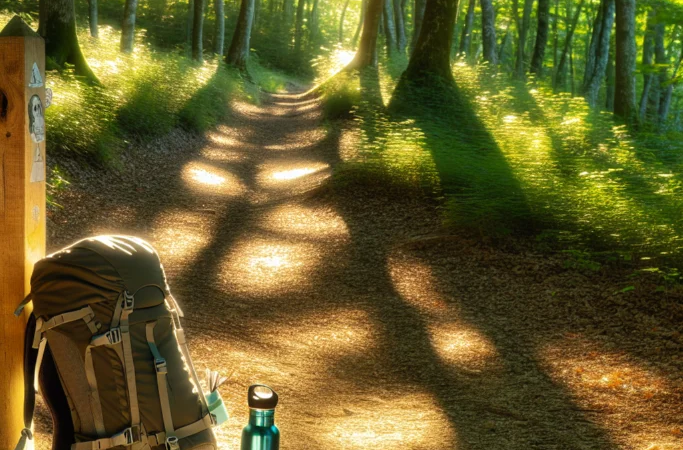
For people living with inflammatory bowel disease (IBD), including Crohn’s disease and ulcerative colitis, the call of the wilderness doesn’t have to remain unanswered. While hiking with IBD presents unique challenges—from unpredictable symptoms to bathroom accessibility concerns—thousands of people with IBD successfully enjoy hiking adventures every year. This comprehensive guide will equip you with the specific knowledge, strategies, and confidence needed to safely explore trails while managing your condition.
Whether you’re a seasoned hiker whose IBD diagnosis has left you questioning your outdoor future, or someone newly interested in hiking who wants to understand how to navigate trails with IBD, this guide addresses the real concerns you face. You’ll learn how to prepare for hiking emergencies specific to IBD, master pre-hike nutrition strategies that minimize flare risks, maintain proper hydration without triggering symptoms, and develop contingency plans that let you hike with confidence.
The outdoor community is more welcoming and understanding than you might expect, and with proper preparation, hiking can become a powerful tool for both physical fitness and mental wellness in your IBD management toolkit.
Understanding the IBD-Hiking Connection: Why This Matters
Hiking with IBD isn’t just about overcoming obstacles—it’s about reclaiming your relationship with adventure and nature. Research consistently shows that moderate exercise, including hiking, can help reduce inflammation markers in people with IBD and improve overall quality of life. However, the unpredictable nature of IBD symptoms creates legitimate concerns that deserve serious consideration.
The primary challenges facing hikers with IBD include sudden onset of symptoms miles from the nearest restroom, dehydration risks that can trigger flares, dietary restrictions that complicate trail nutrition, and the psychological barrier of “what if” scenarios. Many people with IBD report avoiding hiking altogether due to fear of embarrassing situations or medical emergencies on remote trails.
These concerns are valid, but they’re also manageable with proper preparation. The hiking community has evolved to become increasingly inclusive, and trail infrastructure continues to improve. More importantly, the mental health benefits of spending time in nature—reduced stress, improved mood, and enhanced sense of accomplishment—can significantly support your overall IBD management strategy.
Understanding that hiking with IBD requires a different approach than traditional hiking is the first step. This isn’t about limitations; it’s about smart adaptations that allow you to safely enjoy one of the world’s most accessible and rewarding outdoor activities.
Pre-Hike Preparation: Building Your IBD-Specific Action Plan
Successful hiking with IBD begins days before you hit the trail. Your preparation strategy should address three critical areas: route selection, emergency planning, and symptom management protocols.
Route Selection for IBD Hikers
Choose trails with multiple exit points and known facilities. Loop trails often provide better options than out-and-back routes because they offer varied scenery while maintaining reasonable distances from trailheads. Research trails near visitor centers, campgrounds, or day-use areas where restroom facilities are available. Apps like AllTrails allow you to filter searches for trails with amenities, and many hiking forums include detailed facility information.
Start with shorter distances—even experienced hikers should begin with 2-3 mile hikes when first hiking with IBD. This allows you to understand how your body responds to trail conditions without committing to lengthy adventures. Gradually increase distance and difficulty as you build confidence in your preparation strategies.
Emergency Kit Essentials
Your hiking emergency kit should include IBD-specific supplies beyond standard first aid items. Pack extra underwear and wet wipes in waterproof bags, along with a small trowel for Leave No Trace waste disposal if facilities aren’t available. Include your emergency medications—anti-diarrheal medications, pain relievers, and any rescue medications your doctor has prescribed for flare management.
Create a communication plan that includes emergency contacts familiar with your IBD management needs. Share your hiking plans with someone who understands your condition and knows when to be concerned if you don’t check in as planned.
Timing and Weather Considerations
Plan hikes during your typically best symptom periods. Many people with IBD experience predictable patterns in their symptoms—if mornings are generally better for you, start early. Avoid hiking during known trigger periods, such as high-stress times or immediately after medication changes.
Weather impacts IBD symptoms differently for each person. Heat can worsen fatigue and dehydration risks, while cold might increase joint pain for those with IBD-related arthritis. Plan accordingly and always have weather-appropriate backup plans.
Strategic Nutrition: Foods to Avoid and Trail-Safe Options
Hiking nutrition for people with IBD requires careful balance between fueling your adventure and avoiding foods that could trigger symptoms on the trail. The key is identifying your personal trigger foods and developing trail-specific alternatives.
Pre-Hike Meal Planning
Avoid high-fiber foods, dairy products, spicy foods, and artificial sweeteners in the 24-48 hours before hiking. These common IBD triggers can increase bowel movement frequency and urgency—exactly what you want to avoid on remote trails. Instead, focus on easily digestible, low-residue foods like white rice, bananas, lean proteins, and well-cooked vegetables.
Plan your pre-hike meal timing carefully. Eat your main meal 3-4 hours before hiking to allow for digestion and any necessary bathroom visits. A light snack 1-2 hours before starting can provide energy without overwhelming your digestive system.
Trail Food Selection
Traditional trail foods like nuts, dried fruits, and high-fiber energy bars can trigger IBD symptoms. Instead, pack easily digestible options: plain crackers, pretzels, bananas, rice cakes, and simple carbohydrate gels designed for endurance athletes. Avoid anything with artificial sweeteners, which can cause digestive upset even in people without IBD.
Consider homemade trail mix using IBD-friendly ingredients you’ve tested at home. White chocolate chips, rice cereal, and small amounts of seeds you tolerate well can provide energy without triggering symptoms. Always test new foods at home before taking them on trails.
Meal Timing on Longer Hikes
For day-long hikes, plan smaller, more frequent meals rather than large lunch breaks. This approach helps maintain stable energy levels while minimizing digestive stress. Pack foods in individual portions to make it easier to eat small amounts regularly throughout your hike.
If you’re hiking with others, communicate your dietary needs clearly. Many hiking groups are happy to accommodate special requirements when they understand the medical necessity behind them.
Mastering Hydration: The IBD Hiker’s Balancing Act
Proper hydration is crucial for all hikers, but people with IBD face unique challenges. Dehydration can trigger flares, but overhydration can increase bathroom urgency—finding the right balance requires understanding your body’s specific needs and responses.
Pre-Hike Hydration Strategy
Begin hydrating 2-3 days before your hike, not just the morning of. This allows your body to achieve optimal hydration status without the urgency that comes from drinking large amounts immediately before hiking. Aim for pale yellow urine as your hydration indicator, but be aware that some IBD medications can affect urine color.
On hiking day, drink 16-20 ounces of water 2-3 hours before starting, then 8 ounces 15-30 minutes before beginning your hike. This timing allows for bathroom visits before hitting the trail while ensuring adequate hydration.
Trail Hydration Management
During hiking, aim for 6-8 ounces every 15-20 minutes rather than large amounts less frequently. This steady approach maintains hydration without overwhelming your system. In hot weather or at altitude, increase this amount gradually while monitoring your body’s response.
Consider electrolyte replacement carefully. Many commercial sports drinks contain artificial sweeteners and high sugar content that can trigger IBD symptoms. Look for products specifically designed for sensitive stomachs, or create your own electrolyte solution using a pinch of salt and a small amount of natural fruit juice in water.
Water Source Planning
Always carry more water than you think you’ll need—dehydration risks are too high for people with IBD to cut corners on water supply. If your hike includes water refill opportunities, research the water quality and bring appropriate purification methods. Waterborne illnesses can be particularly serious for people with compromised immune systems due to IBD medications.
In areas with questionable water quality, stick to bottled water or water you’ve treated with methods you trust. The inconvenience of carrying extra water is minimal compared to the risk of triggering an IBD flare with contaminated water.
Managing Symptoms and Emergencies on the Trail
Despite careful preparation, IBD symptoms can occur unexpectedly during hikes. Having clear protocols for managing symptoms and emergencies can mean the difference between a manageable situation and a dangerous one.
Recognizing Early Warning Signs
Learn to identify your personal early warning signs of impending symptoms. These might include subtle changes in energy levels, mild abdominal discomfort, or changes in appetite. When you notice these signs, implement your predetermined response plan immediately rather than hoping symptoms will resolve on their own.
Common early interventions include slowing your pace, taking a longer rest break, consuming easily digestible foods, or beginning your return journey if you’re on an out-and-back trail. The key is acting early rather than pushing through symptoms that could worsen.
Bathroom Emergency Protocols
If bathroom emergencies occur on trails without facilities, prioritize safety and Leave No Trace principles. Move at least 200 feet from water sources and trails, dig a cathole 6-8 inches deep, and pack out all toilet paper and hygiene products. Carry a lightweight trowel specifically for this purpose.
Consider portable camping toilets for longer hikes or when hiking in sensitive environmental areas. These systems, while adding weight to your pack, provide dignity and environmental protection during emergencies.
When to Turn Back
Establish clear criteria for ending your hike early. These might include persistent abdominal pain, signs of dehydration despite adequate fluid intake, or the onset of fever. Having predetermined “turn-back” criteria removes emotion from decision-making during stressful situations.
Remember that turning back early is a sign of smart hiking, not failure. Every hike that ends safely is a successful hike, regardless of whether you reached your intended destination.
Resources and Tools for IBD Hikers
Several specialized resources can enhance your hiking experience and safety as someone with IBD.
Helpful Apps and Technology
AllTrails Pro provides detailed trail information including restroom locations and user reviews that often mention facilities. The Flush app helps locate public restrooms near trailheads and in trail towns. Weather apps with hourly forecasts help you avoid conditions that might worsen your symptoms.
Consider GPS devices or smartphone apps with offline maps for areas with poor cell coverage. Being able to navigate efficiently reduces stress and helps you reach help quickly if needed.
Organizations and Support Networks
The Crohn’s & Colitis Foundation offers resources for active living with IBD, including exercise guidelines and community support. Many local IBD support groups organize hiking activities specifically for people with IBD—these groups provide both social support and practical experience sharing.
Online communities like r/IBD and IBD-specific Facebook groups often have members who share hiking experiences and tips. These communities can provide destination recommendations and moral support for your hiking goals.
Questions for Your Healthcare Team
Before beginning a hiking routine, discuss your plans with your gastroenterologist. Important questions include: Are there specific warning signs I should watch for during physical activity? Should I adjust my medication timing around hiking activities? What emergency medications should I carry? Are there any activities or environments I should avoid given my current disease activity?
Your healthcare team can also provide guidance on recognizing the difference between normal exercise fatigue and IBD-related symptoms that require attention.
Common Mistakes to Avoid When Hiking with IBD
Overestimating Your Abilities Too Soon
Many people with IBD, eager to return to normal activities, attempt challenging hikes before building up their hiking-specific fitness and understanding their body’s responses to trail conditions. Start conservatively and build gradually—your hiking abilities will develop more sustainably this way.
Ignoring Weather Impact on Symptoms
Extreme temperatures, humidity, and barometric pressure changes can all affect IBD symptoms. Many hikers fail to account for these factors when planning, leading to unexpected symptom flares. Always check weather forecasts and have backup plans for changing conditions.
Inadequate Emergency Planning
Some hikers focus so heavily on preventing symptoms that they fail to plan adequately for managing symptoms that do occur. Always have a clear plan for bathroom emergencies, medication needs, and early evacuation if necessary.
Not Communicating with Hiking Partners
Failing to inform hiking companions about your IBD and potential needs can create dangerous situations. Your hiking partners should understand your condition, know your emergency protocols, and be prepared to assist if needed.
Pushing Through Warning Signs
The hiking mentality of “pushing through discomfort” can be dangerous for people with IBD. Learn to distinguish between normal hiking challenges and signs that your IBD requires attention, and always err on the side of caution.
Your Next Steps: Building Confidence on the Trail
Starting your hiking journey with IBD begins with small, manageable steps that build both physical conditioning and confidence in your preparation strategies. Begin with local trails under two miles that offer easy access to facilities and transportation. Use these shorter hikes to test your nutrition strategies, hydration protocols, and emergency preparations without the pressure of remote locations.
Document what works and what doesn’t in a hiking journal. Note which foods provide sustained energy without triggering symptoms, how different weather conditions affect you, and which preparation strategies give you the most confidence. This personal database becomes invaluable as you plan more ambitious adventures.
Consider connecting with other hikers who have IBD through support groups or online communities. Shared experiences and practical tips from others who understand your challenges can accelerate your learning curve and provide moral support for your hiking goals.
Most importantly, remember that hiking with IBD is absolutely achievable with proper preparation and realistic expectations. Every person with IBD who hikes successfully started exactly where you are now—with questions, concerns, and hopes for outdoor adventures. Your IBD diagnosis doesn’t end your hiking story; it simply means writing that story with additional wisdom and preparation.
The trails are waiting for you, and with the strategies outlined in this guide, you’re well-equipped to answer their call safely and confidently. Start planning your first IBD-informed hiking adventure today, and take the first step toward reclaiming your place in the outdoor community.