New Hope for Severe Crohn’s: Breakthrough Drug Targets Scarring
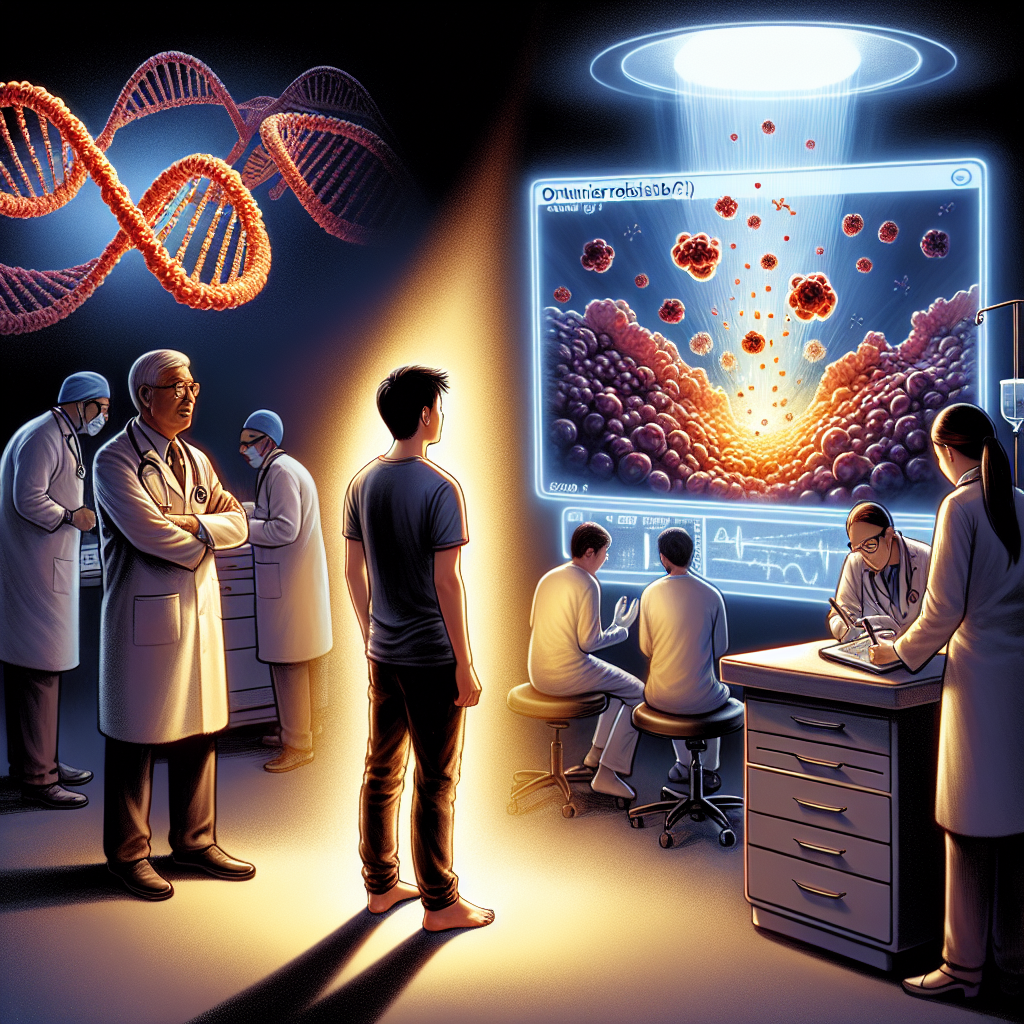
If you’ve been living with Crohn’s disease for years, you know how it feels when doctors use words like “fibrostenosing” or “stricturing.” These clinical terms represent a harsh reality: the disease has progressed to a point where scar tissue is building up in your intestines, creating painful blockages and often leaving surgery as the only option. For too long, those facing this severe form of Crohn’s have felt like they were out of treatment choices.
But what if that’s about to change? What if we’re standing at the threshold of a new era where we can actually target and potentially reverse the scarring process itself, rather than just managing symptoms until the next surgery becomes inevitable?
Summary of Original Article
Agomab Therapeutics has launched a Phase IIa clinical trial for ontunisertib, an investigational drug specifically designed to treat fibrostenosing Crohn’s disease. This condition represents one of the most challenging complications of Crohn’s, where chronic inflammation leads to significant scar tissue formation in the intestines, causing painful blockages and frequently requiring surgical intervention.
The trial will enroll up to 60 adults with fibrostenosing Crohn’s disease to evaluate both the safety and effectiveness of ontunisertib. The drug works as a small molecule inhibitor, targeting ALK5, a key protein involved in the formation of fibrotic (scar) tissue. By interrupting this pathway, the therapy aims to address the root cause of the scarring process rather than just treating symptoms.
What makes this approach particularly innovative is that current Crohn’s therapies offer little hope for preventing or reversing the scarring that characterizes fibrostenosing disease. The trial uses advanced imaging and functional assessments to track changes in the disease process, potentially setting new standards for research in this area.
This post summarizes reporting from Original Article. Our analysis represents IBD Movement’s perspective and is intended to help patients understand how this news may affect them. Read the original article for complete details.
What This Means for the IBD Community
This development represents something we’ve been waiting for—a potential game-changer for those dealing with the most severe form of Crohn’s disease. Let’s break down why this matters so much and what it could mean for your journey with IBD.
Understanding the Current Treatment Gap
Right now, if you develop fibrostenosing Crohn’s, your treatment options are frustratingly limited. Traditional anti-inflammatory medications that work well for regular Crohn’s flares often fall short when it comes to preventing or reversing scar tissue formation. This leaves many patients in a cycle of temporary symptom relief followed by progressive narrowing of the intestines, ultimately leading to surgical resection.
The psychological impact of this progression cannot be overstated. Many patients describe feeling like they’re on a countdown to their next surgery, watching helplessly as their disease advances despite their best efforts to manage it. This new approach could potentially break that cycle by addressing the underlying fibrotic process.
The Science Behind the Hope
What makes ontunisertib particularly exciting is its targeted approach. Rather than broadly suppressing inflammation (which can leave you vulnerable to infections and other complications), this drug specifically targets the ALK5 pathway that’s responsible for creating scar tissue. Think of it as precision medicine—going after the exact mechanism causing the problem.
This specificity could mean fewer side effects compared to current immunosuppressive therapies, while potentially being more effective at preventing the complications that matter most to patients with fibrostenosing disease: blockages, pain, and the need for repeated surgeries.
Real-World Implications for Patients
If this trial succeeds, it could fundamentally change the conversation you have with your gastroenterologist. Instead of waiting for strictures to become severe enough to require surgery, you might have the option to proactively treat the scarring process. This could mean:
- Fewer emergency hospital visits due to intestinal blockages
- Reduced need for surgical interventions and their associated risks
- Better long-term preservation of intestinal length and function
- Improved quality of life and reduced anxiety about disease progression
- Potentially staying in the workforce longer without surgery-related absences
Questions to Discuss with Your Healthcare Team
This news might spark important conversations with your medical team. Consider asking:
- Do I have signs of fibrostenosing disease that should be monitored more closely?
- What advanced imaging options are available to track any scarring in my intestines?
- How can we optimize my current treatment to potentially slow fibrotic progression?
- Would I be a candidate for clinical trials targeting fibrosis if they become available in my area?
- What are the early warning signs of stricturing that I should watch for?
The Broader Context of IBD Research
This development reflects a broader shift in IBD research toward precision medicine and addressing complications that have historically been considered inevitable. We’re seeing more research focused on preventing long-term damage rather than just managing acute symptoms. This includes efforts to understand why some patients develop fibrostenosing disease while others don’t, and how we can identify those at risk earlier in their disease course.
The focus on fibrosis also represents recognition that IBD affects patients differently over time. Early in the disease, inflammation may be the primary concern, but as the condition progresses, structural complications like scarring become increasingly important. Having treatments that can address these later-stage complications is crucial for long-term patient outcomes.
Managing Expectations While Maintaining Hope
While this news is genuinely exciting, it’s important to remember that we’re still in the early stages of research. Phase IIa trials are designed to test safety and get initial signals of effectiveness, but we won’t know the full picture until larger, longer-term studies are completed. This process typically takes several years.
However, the very fact that researchers are successfully developing drugs that target fibrosis pathways represents significant progress. Even if ontunisertib doesn’t prove to be the final answer, the research is advancing our understanding and opening doors for future therapies.
For patients currently dealing with fibrostenosing Crohn’s, this doesn’t change the importance of working closely with your healthcare team to optimize your current treatment. Maintaining good nutrition, managing inflammation as much as possible, and staying vigilant about symptoms remain crucial.
The hope that this research represents is real and meaningful. For too long, patients with severe, scarring forms of Crohn’s have felt like they were fighting a losing battle with limited weapons. This research suggests that we may finally be developing the tools needed to take on one of IBD’s most challenging complications. While we wait for results, we can take comfort in knowing that the medical community recognizes this unmet need and is actively working to address it.
Every advance in IBD research builds on previous discoveries, and each step forward brings us closer to more effective, personalized treatments. This trial represents not just hope for ontunisertib specifically, but validation that targeting fibrosis in IBD is possible and worth pursuing. That alone is a victory worth celebrating.
IBD Movement provides information for educational purposes only. This content is not intended to be a substitute for professional medical advice, diagnosis, or treatment. Always seek the advice of your physician or other qualified health provider with any questions you may have regarding a medical condition.
Related Posts

New Research Links Certain Occupations to Higher IBD Risk: What This Means for Your Career and Health
February 28, 2026
Eli Lilly’s Omvoh Shows Promise for Crohn’s Disease: What This Breakthrough Could Mean for Your Treatment Journey
February 27, 2026
Could Your Cholesterol Medication Help Your IBD? New Research Reveals Surprising Connection
February 27, 2026