New Gut Healing Drug Shows Promise for IBD Patients
Living with Crohn’s disease or ulcerative colitis means constantly being reminded that your gut’s protective barrier isn’t working the way it should. Every flare, every uncomfortable meal, every sleepless night serves as evidence that something fundamental is broken in the very foundation of your digestive health. The concept of “leaky gut” might sound like pseudoscience to some, but for those of us in the IBD community, the reality of a compromised intestinal barrier is something we live with every single day.
That’s why news about treatments specifically targeting intestinal barrier repair feels particularly meaningful. It’s not just another medication—it’s validation that researchers are finally focusing on fixing what’s actually broken, not just managing the symptoms that result from it.
Summary of Original Article
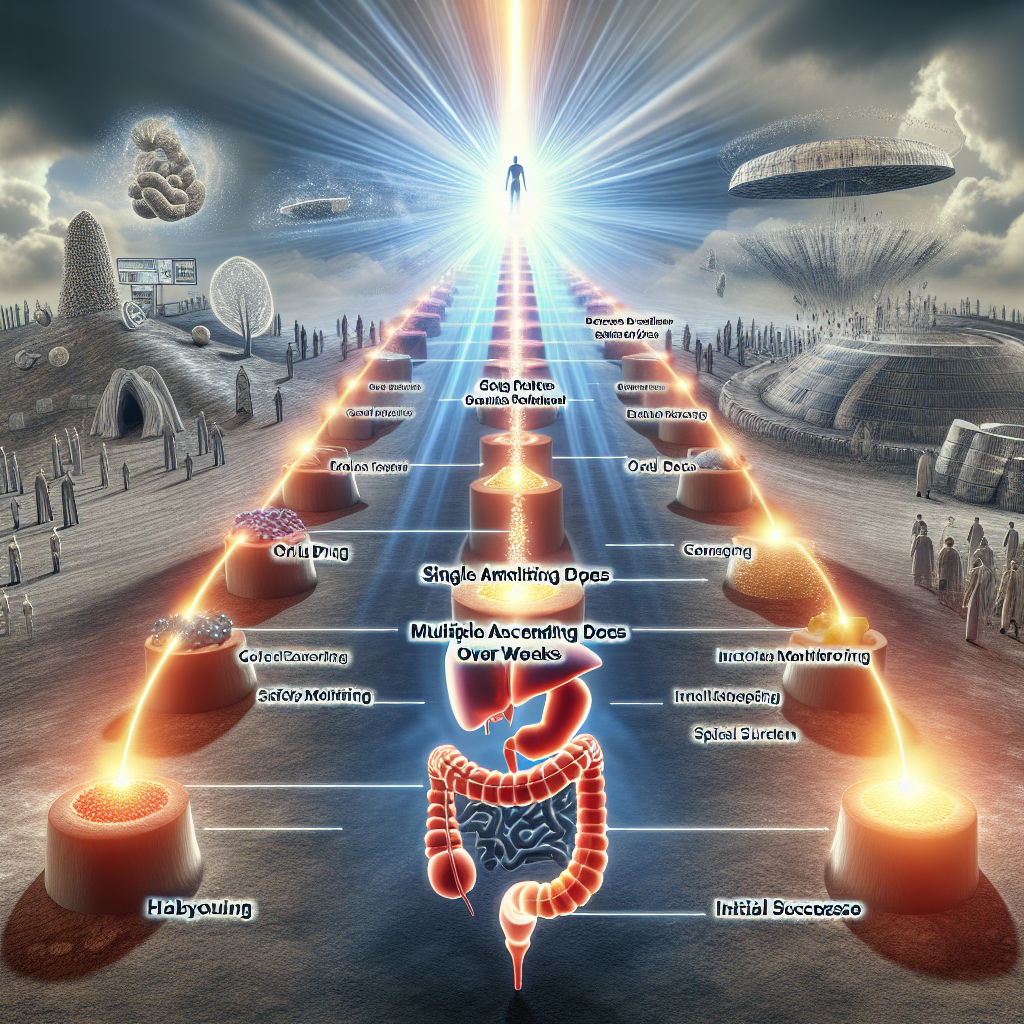
Palisade Bio has reached an important milestone by dosing the first patients in their Phase 1b clinical study of PALI-2108, a new oral medication designed to help repair damaged intestinal barriers. This early-stage clinical trial is a randomized, double-blind, placebo-controlled study that will evaluate how safe and well-tolerated the drug is, while also looking for early signs that it might actually work.
The study focuses on strengthening the gut lining, which serves as our body’s primary defense against harmful substances. When this barrier becomes compromised—a condition sometimes called “leaky gut”—it’s linked to several serious gastrointestinal diseases, including inflammatory bowel diseases like Crohn’s and ulcerative colitis.
In the first phase of the trial, patients will receive either PALI-2108 or a placebo over 14 days, with researchers carefully monitoring for any side effects while tracking how the drug works in the body. Dr. Michael Dawson, Palisade Bio’s Chief Medical Officer, expressed hope that this study could address significant unmet needs in the gastrointestinal community.
This post summarizes reporting from Original Article. Our analysis represents IBD Movement’s perspective and is intended to help patients understand how this news may affect them. Read the original article for complete details.
What This Means for the IBD Community
While PALI-2108 is still in very early testing phases, the approach behind this drug represents something we don’t see often enough in IBD research: a focus on fixing the underlying problem rather than just suppressing the immune response. Traditional IBD treatments like biologics and immunosuppressants work by dampening our immune system’s overactive response, which can be incredibly effective but often comes with significant risks and side effects.
The intestinal barrier concept is particularly relevant for our community because research increasingly shows that barrier dysfunction plays a crucial role in IBD development and progression. Think of your intestinal lining as a selective security system—when it’s working properly, it allows nutrients through while keeping harmful bacteria, toxins, and allergens out. When it’s compromised, as it often is in IBD, this selective permeability breaks down.
What makes this development especially intriguing is the oral delivery method. Many of us are already juggling multiple medications, and the prospect of a pill that could potentially help heal our gut lining from the inside out is appealing. Unlike infusions that require hospital visits or injections that need refrigeration and careful timing, an oral medication could integrate more easily into daily life.
However, it’s crucial to manage expectations here. This is a Phase 1b study, which means researchers are primarily focused on safety and figuring out the right dose. We’re still years away from knowing whether PALI-2108 will actually help IBD patients, and there’s no guarantee it will make it through all the necessary clinical trial phases. The drug development process is notoriously difficult, with most experimental treatments never making it to market.
That said, the fact that a company is investing significant resources into intestinal barrier repair suggests that the scientific community is taking this approach seriously. For those of us who have felt like our treatment options have plateaued, seeing new mechanisms of action being explored provides genuine hope.
Questions to Consider Discussing with Your Healthcare Team
While PALI-2108 won’t be available for years even if it proves successful, this news might spark valuable conversations with your gastroenterologist about intestinal barrier health. Here are some topics worth exploring:
- How might current barrier dysfunction be contributing to your specific symptoms?
- Are there existing approaches to support intestinal barrier health that might complement your current treatment plan?
- Should you consider participating in clinical trials, either for this drug or similar approaches?
- How do emerging treatments like this fit into your long-term treatment strategy?
Your doctor can help you understand how barrier dysfunction might be affecting your particular case and whether there are evidence-based steps you can take now to support your gut lining health.
The Bigger Picture in IBD Research
This development fits into a broader trend we’re seeing in IBD research—a move beyond just immune suppression toward more targeted, mechanism-specific approaches. We’re seeing increased interest in the gut microbiome, barrier function, and even personalized medicine approaches that consider individual genetic and molecular profiles.
The focus on intestinal barrier repair also validates something many patients have long suspected: that healing the gut lining itself, not just controlling inflammation, might be key to achieving lasting remission. While we’ve made tremendous progress with biologics and other advanced therapies, many patients still struggle with incomplete healing and ongoing symptoms even when inflammation markers look good.
Companies investing in barrier repair research suggests that the pharmaceutical industry recognizes there’s still significant unmet need in our community. That’s both validating and encouraging—it means the challenges we face daily aren’t being ignored or dismissed as “good enough.”
Looking ahead, treatments like PALI-2108 might eventually be used alongside existing therapies rather than replacing them. We might see combination approaches where biologics control immune-mediated inflammation while barrier repair medications help restore normal gut lining function. This could potentially lead to better long-term outcomes and perhaps even allow some patients to reduce their reliance on immunosuppressive medications over time.
The development of PALI-2108 represents hope grounded in solid science rather than empty promises. While we wait for results from this early-stage trial, it’s encouraging to know that researchers are pursuing innovative approaches to the fundamental problems that drive our disease. Even if this particular drug doesn’t pan out, the research will contribute valuable knowledge that informs future therapeutic development.
For now, the best thing we can do is stay informed about emerging research while focusing on optimizing our current treatment plans. The future of IBD care is likely to include multiple therapeutic approaches working together, and barrier repair medications like PALI-2108 could eventually become an important part of that comprehensive strategy.
IBD Movement provides information for educational purposes only. This content is not intended to be a substitute for professional medical advice, diagnosis, or treatment. Always seek the advice of your physician or other qualified health provider with any questions you may have regarding a medical condition.
Related Posts

New Research Links Certain Occupations to Higher IBD Risk: What This Means for Your Career and Health
February 28, 2026
Eli Lilly’s Omvoh Shows Promise for Crohn’s Disease: What This Breakthrough Could Mean for Your Treatment Journey
February 27, 2026
Could Your Cholesterol Medication Help Your IBD? New Research Reveals Surprising Connection
February 27, 2026