AI-Designed Antibiotic Could Change IBD Treatment Forever
There’s a moment every person with IBD knows intimately—when you’re researching yet another treatment option, hoping this time might be different. Maybe you’ve tried multiple medications that worked for a while before failing, or perhaps you’ve experienced the frustrating cycle of antibiotics that temporarily help your symptoms but leave your gut microbiome in shambles. For those of us in the IBD community, breakthrough news often comes with cautious optimism, because we’ve learned that hope and realistic expectations must walk hand in hand.
Today’s news feels different, though. It’s about a new approach that could fundamentally change how we think about treating IBD—one that harnesses artificial intelligence to create more precise, gentler therapies.
Summary of AI Pioneers New Antibiotic Targets for IBD
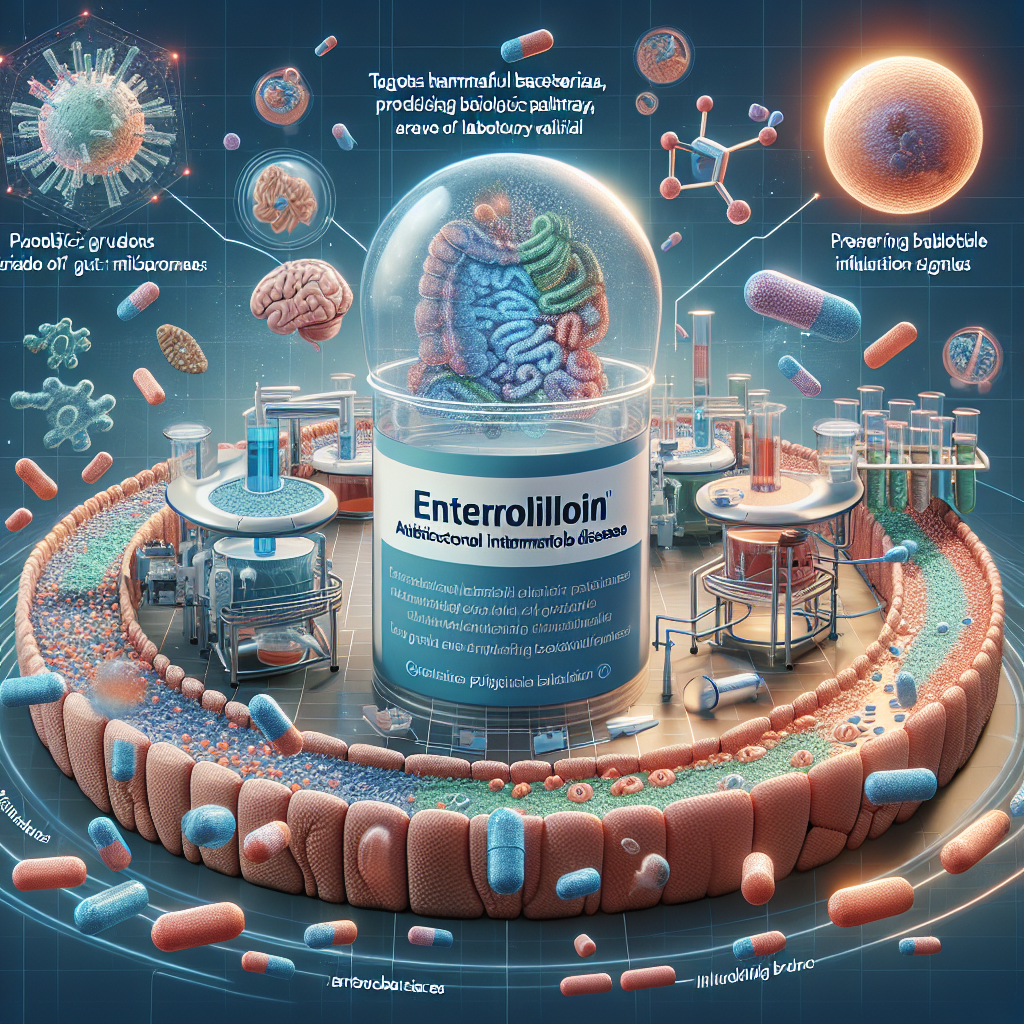
Researchers have developed a new narrow-spectrum antibiotic called enterololin, specifically designed to combat IBD including challenging cases of Crohn’s disease. Unlike traditional broad-spectrum antibiotics that eliminate both beneficial and harmful gut bacteria, enterololin targets only the problematic bacteria while preserving the healthy microbiome. This precision approach could potentially offer relief without the typical collateral damage associated with conventional antibiotic treatments.
What makes this development particularly remarkable is the role of artificial intelligence in the drug’s creation. AI algorithms helped predict how the drug would work by mapping complex biological pathways and analyzing vast amounts of data before researchers even began laboratory testing. This AI-assisted approach represents a new paradigm in drug development, potentially accelerating the creation of more personalized and targeted IBD treatments.
The implications extend beyond antibiotics alone. AI technology is already being applied to improve IBD diagnosis, predict treatment responses for individual patients, and even develop “living pharmacies” that can detect inflammation and respond in real-time.
This post summarizes reporting from AI Pioneers New Antibiotic Targets for IBD. Our analysis represents IBD Movement’s perspective and is intended to help patients understand how this news may affect them. Read the original article for complete details.
What This Means for the IBD Community
Let’s be honest about what many of us have experienced with antibiotics. While they can provide temporary relief during flares—especially for those dealing with complications like abscesses or bacterial overgrowth—the aftermath often includes digestive chaos. Traditional antibiotics can trigger C. diff infections, worsen inflammation, and leave our already compromised gut microbiomes in worse shape than before we started treatment.
Enterololin’s targeted approach could potentially break this destructive cycle. For those with Crohn’s disease who’ve experienced bacterial complications, or anyone whose IBD symptoms seem tied to specific bacterial imbalances, this precision antibiotic might offer hope for treatment without the fear of microbiome devastation.
But perhaps more importantly, this research represents a fundamental shift in how we approach IBD treatment development. The AI component isn’t just a cool technological add-on—it’s a game-changer for speed and precision. Traditional drug development takes decades and often relies on trial-and-error approaches that can leave patients waiting years for effective treatments. AI-assisted drug design could dramatically accelerate this timeline while increasing the likelihood of success.
Questions to Consider for Your Next Doctor Visit
If you’re intrigued by this development, here are some thoughtful questions to discuss with your gastroenterologist:
- Given my specific IBD presentation and history, could I be a candidate for precision antibiotic therapy when it becomes available?
- Are there current microbiome tests that might help identify if bacterial imbalances are contributing to my symptoms?
- How might this narrow-spectrum approach compare to my current treatment regimen?
- What other AI-assisted IBD research should I be aware of?
- Should I consider participating in clinical trials for precision IBD therapies?
The Bigger Picture: Personalized IBD Care
This breakthrough fits into a larger trend toward personalized IBD medicine that many of us have been hoping for. We’ve all heard stories—or lived them ourselves—of trying medication after medication before finding something that works. The “one-size-fits-all” approach to IBD treatment has left too many people cycling through biologics, immunosuppressants, and steroids without achieving sustained remission.
AI-driven research is beginning to change this landscape by identifying patterns that human researchers might miss. Machine learning algorithms can analyze thousands of patient cases to predict which treatments are most likely to work for someone with your specific genetic markers, microbiome composition, and disease characteristics. This isn’t science fiction anymore—it’s happening in IBD research centers right now.
The concept of “living pharmacies” mentioned in the research is particularly fascinating. Imagine treatments that could sense when inflammation is beginning to flare and automatically adjust their therapeutic response. For those of us who’ve learned to recognize the early warning signs of a flare—that subtle shift in energy, the first whispers of abdominal discomfort—having treatments that could respond just as quickly could be revolutionary.
Managing Expectations While Staying Hopeful
As exciting as this news is, we must remember that enterololin is still in development. The research shows promise, but clinical trials and FDA approval processes still lie ahead. This could take several years before becoming available to patients.
However, the principles behind this research—precision targeting, AI-assisted development, and microbiome preservation—are already influencing other IBD research projects. We’re likely to see multiple treatments emerging from this new paradigm over the next decade.
For now, the best thing we can do is stay informed about these developments while continuing to work with our healthcare teams to optimize our current treatments. This might mean participating in microbiome research, considering clinical trials for emerging therapies, or simply ensuring our doctors are aware of our interest in precision medicine approaches.
The Bottom Line
While we wait for enterololin and other AI-designed therapies to complete their journey from laboratory to pharmacy, this research offers something we all need more of: genuine hope backed by scientific innovation. The combination of artificial intelligence and precision medicine isn’t just changing how researchers develop IBD treatments—it’s fundamentally altering what’s possible.
For a community that has often felt overlooked by mainstream medicine, seeing cutting-edge technology focused specifically on our needs feels both validating and exciting. The days of accepting that IBD treatment must always involve difficult trade-offs may finally be numbered.
IBD Movement provides information for educational purposes only. This content is not intended to be a substitute for professional medical advice, diagnosis, or treatment. Always seek the advice of your physician or other qualified health provider with any questions you may have regarding a medical condition.
Related Posts

New Research Links Certain Occupations to Higher IBD Risk: What This Means for Your Career and Health
February 28, 2026
Eli Lilly’s Omvoh Shows Promise for Crohn’s Disease: What This Breakthrough Could Mean for Your Treatment Journey
February 27, 2026
Could Your Cholesterol Medication Help Your IBD? New Research Reveals Surprising Connection
February 27, 2026