New IBD Treatments Target True Healing, Not Just Symptoms
If you’ve lived with Crohn’s disease or ulcerative colitis for any length of time, you’ve probably experienced the cycle: symptoms flare, you treat them, they calm down, then return again. For years, this pattern of managing symptoms was considered success. But what if I told you that the entire approach to treating IBD is evolving—and the goal is no longer just to quiet your symptoms, but to achieve genuine healing that could change the trajectory of your disease?
This shift represents one of the most hopeful developments in IBD care in decades. Instead of accepting that chronic illness means a lifetime of managing flares, researchers and doctors are now aiming for something much more ambitious: stopping the disease process itself and helping your body heal from the inside out.
Summary of https://www.hcplive.com/view/evolution-of-healing-targets-in-inflammatory-bowel-disease
A new analysis examines how treatment goals in IBD have fundamentally changed over the past several decades. Historically, doctors focused primarily on symptom relief—reducing abdominal pain, stopping diarrhea, and providing short-term comfort. While these goals provided immediate relief, they didn’t address the ongoing inflammatory damage happening beneath the surface.
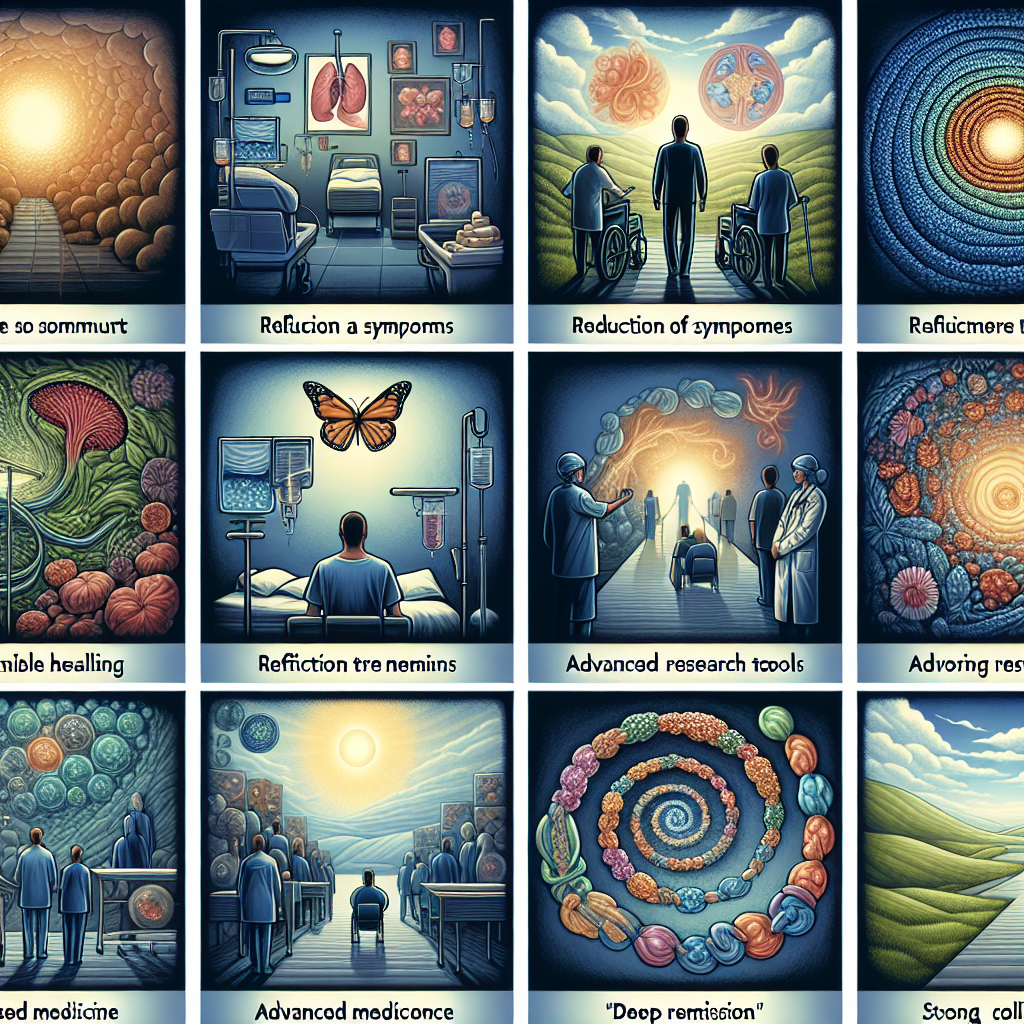
Today’s approach aims for “deep remission,” which goes far beyond symptom control. This involves using advanced diagnostic tools like endoscopy and specialized blood tests to detect inflammation that patients can’t feel but that continues to damage the intestinal lining. The new treatment philosophy, called “treat-to-target,” creates personalized treatment plans based on regular monitoring of these deeper healing markers.
Modern therapies, including biologic medications and advanced small molecule drugs, are making it possible to achieve ambitious healing goals such as mucosal healing (where the intestinal lining actually repairs itself), histologic remission (no microscopic signs of disease), and even complete normalization of gut appearance and function. However, challenges remain, as not all patients respond equally to current treatments, and researchers are still determining which healing markers are most important for long-term outcomes.
This post summarizes reporting from https://www.hcplive.com/view/evolution-of-healing-targets-in-inflammatory-bowel-disease. Our analysis represents IBD Movement’s perspective and is intended to help patients understand how this news may affect them. Read the original article for complete details.
What This Means for the IBD Community
This evolution in treatment goals represents a paradigm shift that could fundamentally change how you think about living with IBD. For many of us, the traditional approach felt like playing defense—constantly reacting to symptoms and hoping for periods of calm between storms. The new approach is more like playing offense, actively working to heal your body and prevent future damage before symptoms even appear.
From a practical standpoint, this means your relationship with your healthcare team is likely to become more collaborative and data-driven. Instead of waiting until you feel terrible to seek treatment, your doctor may recommend regular monitoring through blood tests, stool samples, or periodic endoscopies—even when you’re feeling relatively well. This might feel overwhelming at first, especially if you’re used to the “no news is good news” approach, but it’s actually empowering because it gives you and your medical team the information needed to make proactive decisions about your care.
The concept of mucosal healing is particularly exciting because it represents something many of us have long hoped for but didn’t dare expect: actual repair of the damage IBD has caused. Think of it like this—if your intestinal lining is like a garden that’s been damaged by repeated storms, mucosal healing is like watching new growth emerge and the soil become fertile again. This isn’t just about feeling better temporarily; it’s about creating conditions where your gut can function normally for extended periods.
However, it’s important to understand that this new approach also requires patience and realistic expectations. Achieving deep remission often takes time, and the path isn’t always linear. You might need to try different medications or combinations of treatments before finding what works for your unique situation. The good news is that we have more treatment options available now than ever before, and researchers are continually developing new approaches.
This shift also highlights the importance of finding a gastroenterologist who embraces these newer treatment philosophies. Not all doctors have fully adopted the treat-to-target approach, so it’s worth having conversations about treatment goals during your appointments. Questions you might consider asking include: “What are we specifically targeting with my current treatment?” “How will we know if my intestinal lining is healing?” “What markers should we be monitoring beyond my symptoms?”
For those dealing with IBD fatigue—both physical and emotional—this evolution offers something precious: hope that goes beyond just getting through the next flare. It suggests that the chronic, progressive nature of IBD that we’ve all feared might not be inevitable. While IBD will likely remain a lifelong condition requiring management, the quality of that life could be dramatically different than what previous generations of patients experienced.
The emphasis on personalized treatment plans also reflects a growing understanding that IBD affects each person differently. Your journey to deep remission might look completely different from someone else’s, and that’s not only okay—it’s expected. This individualized approach means treatments can be tailored to your specific disease patterns, lifestyle, and personal goals.
Perhaps most importantly, this evolution in treatment targets validates what many of us have felt intuitively: that we deserve more than just “managing” our disease. We deserve the opportunity to thrive, to make long-term plans without constant fear of the next flare, and to experience periods of genuine wellness rather than just the absence of acute symptoms.
The research community’s commitment to these ambitious healing goals also suggests that even better treatments are likely on the horizon. As researchers better understand the mechanisms behind deep remission and mucosal healing, they can develop more targeted and effective therapies. This creates a positive feedback loop where today’s improved treatments provide the foundation for tomorrow’s breakthroughs.
For caregivers and family members, this shift in treatment philosophy offers new ways to support their loved ones with IBD. Instead of focusing solely on symptom management during flares, families can celebrate and support the pursuit of deeper healing goals. This might mean understanding why regular monitoring is important even during good periods, or recognizing that achieving deep remission is a process that requires patience and consistent medical care.
While we celebrate these advances, it’s also important to acknowledge that access to these newer treatments and monitoring approaches isn’t equal for everyone. Insurance coverage, geographic location, and healthcare system resources all play roles in determining who can pursue these advanced treatment goals. Advocacy for better access to comprehensive IBD care remains crucial as these treatment philosophies become standard practice.
The evolution toward deeper healing targets represents hope grounded in science and real clinical outcomes. It’s not false hope or wishful thinking—it’s a evidence-based approach that’s already helping many people with IBD achieve levels of wellness they didn’t think were possible. For a community that has often been told to “learn to live with it,” this shift toward aggressive healing goals feels revolutionary.
This transformation also empowers patients to become more active participants in their care. Understanding these deeper healing markers and treatment goals helps you advocate for yourself, ask informed questions, and work collaboratively with your healthcare team. Knowledge truly is power when it comes to managing chronic illness, and this evolving understanding of IBD treatment gives us more tools and vocabulary to engage meaningfully in our care.
The journey toward achieving deep remission and mucosal healing requires commitment from both patients and healthcare providers, but the potential rewards—extended periods of wellness, reduced risk of complications, and improved long-term outcomes—make that commitment worthwhile. For many in our community, this approach offers the first real hope of breaking free from the cycle of symptom management and moving toward genuine healing and sustained wellness.
The future of IBD care is being written now, and it’s a story of hope, healing, and the recognition that people with chronic illness deserve the opportunity to pursue not just survival, but thriving. As these treatment philosophies continue to evolve and improve, we can look forward to a future where an IBD diagnosis doesn’t define the limits of what’s possible in our lives.
The shift from symptom management to deep healing represents more than just a change in medical practice—it’s a fundamental reimagining of what living with IBD can look like. And for millions of people affected by these conditions, that reimagining offers something we’ve all been searching for: genuine hope for a better future. This evolution in IBD treatment targets isn’t just changing how doctors approach these diseases; it’s changing lives and creating possibilities that didn’t exist for previous generations of IBD patients.
IBD Movement provides information for educational purposes only. This content is not intended to be a substitute for professional medical advice, diagnosis, or treatment. Always seek the advice of your physician or other qualified health provider with any questions you may have regarding a medical condition.
Related Posts

New Research Links Certain Occupations to Higher IBD Risk: What This Means for Your Career and Health
February 28, 2026
Eli Lilly’s Omvoh Shows Promise for Crohn’s Disease: What This Breakthrough Could Mean for Your Treatment Journey
February 27, 2026
Could Your Cholesterol Medication Help Your IBD? New Research Reveals Surprising Connection
February 27, 2026