Can Diet Really Affect My IBD Symptoms? Your Complete Guide to Food and Inflammation
Introduction
If you’re living with inflammatory bowel disease (IBD), you’ve probably wondered whether what you eat could be making your symptoms better or worse. It’s one of the most common questions people with Crohn’s disease and ulcerative colitis ask their doctors, and for good reason. After all, food travels directly through the very parts of your digestive system that are inflamed.
The relationship between diet and IBD is complex and highly individual. While food doesn’t cause IBD, growing research suggests that certain dietary choices can influence inflammation levels and symptom severity for many people. Understanding this connection can help you work with your healthcare team to develop a personalized approach that supports your overall treatment plan.
Let’s explore what current science tells us about diet and IBD, and more importantly, how you can use this information to feel your best.
The Short Answer
Yes, diet can affect IBD symptoms for many people, but it’s highly individual. While food doesn’t cause IBD, certain foods may trigger symptoms or worsen inflammation in some individuals. However, there’s no universal “IBD diet” that works for everyone. The key is identifying your personal triggers through careful observation and working with your healthcare team to develop a sustainable eating plan that supports your treatment.
The Complete Answer
Understanding the Diet-IBD Connection
Research shows that diet can influence IBD symptoms through several mechanisms. Certain foods may increase inflammation in the gut, alter the balance of beneficial bacteria in your microbiome, or mechanically irritate already inflamed tissues. However, it’s crucial to understand that dietary changes are complementary to, not a replacement for, medical treatment.
Studies have found that people with IBD often have different gut bacteria patterns compared to those without the condition. Some foods can promote the growth of beneficial bacteria, while others may encourage harmful bacterial overgrowth or reduce bacterial diversity.
What the Research Shows
Several large studies have examined diet’s role in IBD management:
- Anti-inflammatory diets rich in omega-3 fatty acids, fruits, and vegetables have shown promise in reducing inflammation markers
- Ultra-processed foods have been associated with increased risk of IBD flares in some studies
- Fiber intake shows mixed results – while generally beneficial for gut health, some people with IBD may need to limit certain types during flares
- Exclusion diets have helped some individuals identify personal triggers, though results vary widely
Individual Variation is Key
What makes IBD nutrition particularly challenging is that responses to food are highly individual. A food that triggers symptoms in one person might be perfectly well-tolerated by another. This variation occurs because:
- IBD affects different parts of the digestive system in different people
- Disease severity and activity levels vary
- Individual gut bacteria compositions differ
- Genetic factors influence food processing
- Stress levels and other lifestyle factors interact with diet
Timing Matters
Your dietary needs may change depending on whether you’re in remission or experiencing a flare. During active inflammation, your digestive system may be more sensitive, and foods that are normally well-tolerated might cause discomfort. Conversely, during remission, you might be able to enjoy a more varied diet.
What Patients Should Know
Practical Steps for Managing Diet with IBD
Start with a food diary. Track what you eat alongside your symptoms, bowel movements, and overall well-being. Look for patterns over several weeks rather than making decisions based on single days. Many people find apps helpful for this tracking.
Work with professionals. A registered dietitian experienced with IBD can help you identify potential triggers while ensuring you maintain proper nutrition. They can also help you navigate elimination diets safely if appropriate.
Questions to Ask Your Healthcare Team
- Should I try an elimination diet to identify triggers?
- Are there specific nutrients I should focus on given my IBD location and severity?
- How might my medications interact with certain foods or supplements?
- What warning signs should prompt me to seek immediate care?
- Would working with a dietitian be beneficial for my situation?
Red Flags to Watch For
While experimenting with diet, be alert for these concerning symptoms that require immediate medical attention:
- Severe abdominal pain or cramping
- Blood in your stool
- Signs of dehydration (dizziness, dry mouth, decreased urination)
- Rapid weight loss
- Fever accompanying digestive symptoms
- Inability to keep food or liquids down
Maintaining Nutritional Balance
Remember that restriction isn’t always the answer. People with IBD are at higher risk for nutritional deficiencies, so it’s important not to eliminate entire food groups without professional guidance. Focus on identifying specific triggers rather than following overly restrictive diets that might compromise your nutritional status.
Related Questions
Are there foods everyone with IBD should avoid?
There’s no universal list of “forbidden” foods for IBD. However, some foods are more commonly reported as triggers, including spicy foods, high-fat foods, alcohol, caffeine, and certain artificial sweeteners. Even these vary greatly between individuals. The key is personal experimentation under professional guidance.
What about the Specific Carbohydrate Diet?
The Specific Carbohydrate Diet (SCD) has helped some people with IBD, but it’s not suitable for everyone. This restrictive diet eliminates complex carbohydrates and has shown promise in small studies. However, it requires careful planning to avoid nutritional deficiencies and should only be attempted under medical supervision. Discuss with your healthcare team whether it might be appropriate for your situation.
How do I identify my personal triggers?
Systematic tracking and gradual elimination are the most effective approaches. Keep a detailed food and symptom diary for at least 2-4 weeks. Look for patterns, then consider working with a dietitian to design an elimination and reintroduction protocol. This process requires patience – it can take several months to identify clear patterns.
Should I take supplements?
Many people with IBD benefit from certain supplements, but individual needs vary. Common deficiencies include vitamin D, B12, iron, and folate. However, some supplements can interfere with IBD medications or worsen symptoms in certain individuals. Always discuss supplement use with your healthcare provider before starting anything new.
The Bottom Line
Diet can indeed affect IBD symptoms for many people, but the relationship is complex and highly individual. While there’s no one-size-fits-all IBD diet, paying attention to how foods affect your body can be a valuable part of your overall management strategy.
The most important steps you can take are: Keep a food and symptom diary, work with healthcare professionals experienced in IBD, be patient with the process of identifying triggers, and remember that dietary management complements but doesn’t replace medical treatment.
Don’t let the complexity discourage you. Many people with IBD successfully identify dietary patterns that help them feel better and reduce symptoms. The key is approaching this systematically, with professional support, and maintaining realistic expectations about what diet can and cannot do.
Remember, you’re not alone in this journey. Your healthcare team is there to support you, and finding the right dietary approach for your unique situation is absolutely possible with time and patience.
Medical Disclaimer: This information is for educational purposes only and should not replace professional medical advice. Always consult with your healthcare provider before making significant dietary changes or if you experience concerning symptoms.
Related Posts

New Research Links Certain Occupations to Higher IBD Risk: What This Means for Your Career and Health
February 28, 2026
Eli Lilly’s Omvoh Shows Promise for Crohn’s Disease: What This Breakthrough Could Mean for Your Treatment Journey
February 27, 2026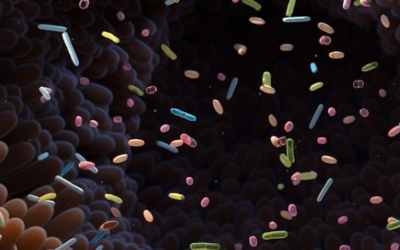
Could Your Cholesterol Medication Help Your IBD? New Research Reveals Surprising Connection
February 27, 2026