A Surgeon’s Gift: Hope for Fewer Operations for IBD Patients
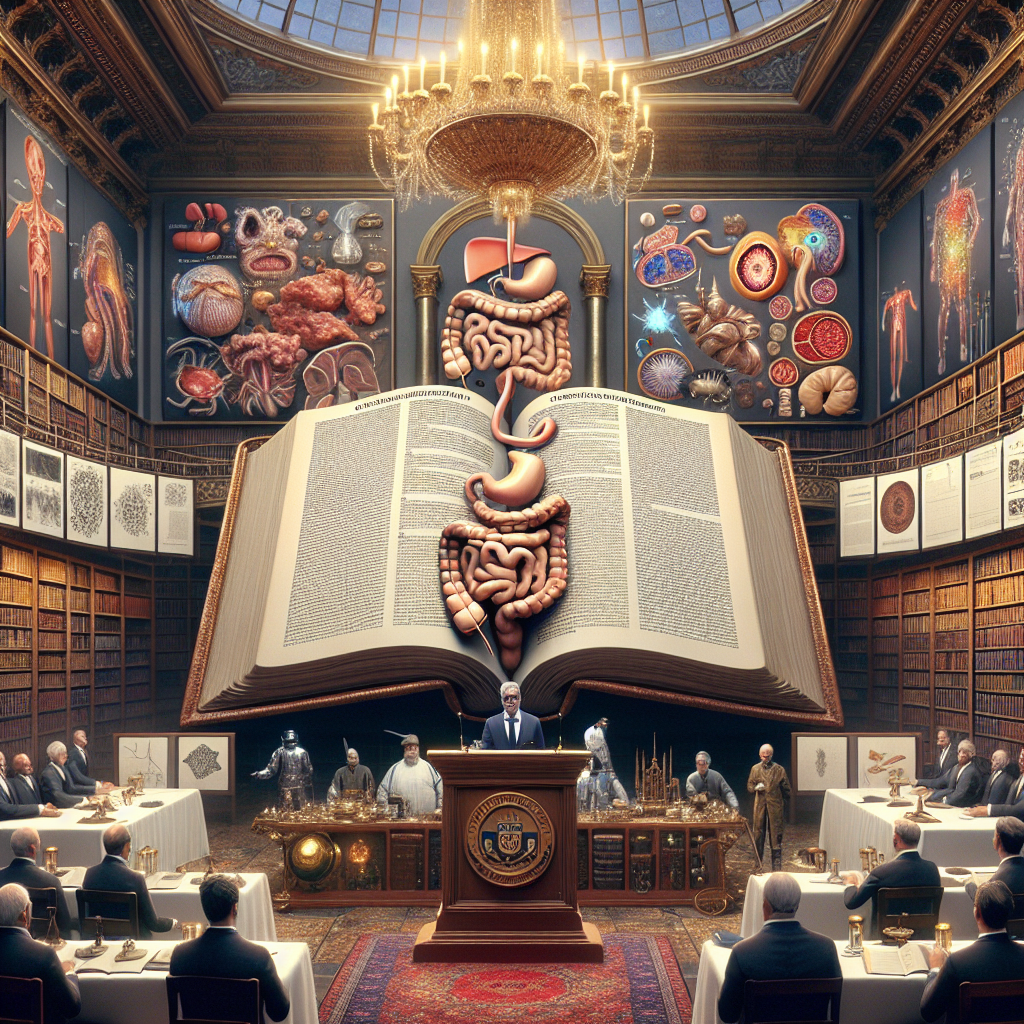
If you’ve faced multiple surgeries for Crohn’s disease, you know the weight of hearing “we need to remove another section.” Each resection feels like losing a piece of yourself—literally. The fear of short bowel syndrome, the worry about quality of life, the exhaustion of recovery after recovery. What if I told you that one surgeon’s revolutionary approach has been changing this narrative for IBD patients worldwide?
Sometimes the most profound medical advances come not from fancy technology, but from a doctor who simply refuses to accept that “this is just how it has to be.” That’s exactly what happened when Dr. Fabrizio Michelassi looked at the endless cycle of bowel resections and decided there had to be a better way.
Summary of here
Dr. Fabrizio Michelassi has been named the honoree for the 2025 Columbus Celebration Weekend, recognizing his groundbreaking contributions to modern surgery. The Italian-born surgeon, who now leads surgical programs at Weill Cornell Medicine and NewYork-Presbyterian Hospital, revolutionized treatment for Crohn’s disease patients through his innovative “Michelassi Strictureplasty” technique.
This surgical approach preserves intestinal length while treating strictures (narrowed areas of the bowel), offering an alternative to traditional bowel resection surgery that removes sections of the intestine. Dr. Michelassi’s career spans continents and decades, marked by hundreds of research papers, clinical trials, and prestigious awards including the Order of Merit from the Republic of Italy and the Golden Lion Award.
This post summarizes reporting from here. Our analysis represents IBD Movement’s perspective and is intended to help patients understand how this news may affect them. Read the original article for complete details.
What This Means for the IBD Community
The recognition of Dr. Michelassi isn’t just about honoring one surgeon—it’s about celebrating a shift in how we approach IBD surgery. For too long, the standard approach to Crohn’s complications involved cutting out problem areas. While sometimes necessary, this “remove and hope” strategy left many patients with shorter and shorter bowels, leading to malabsorption, nutritional deficiencies, and in severe cases, short bowel syndrome.
The Michelassi Strictureplasty represents a fundamentally different philosophy: preservation over removal. Instead of cutting out narrowed sections of bowel, this technique widens them while keeping the intestinal length intact. Think of it like renovating a house rather than tearing it down—you’re fixing the problem while preserving the structure.
For IBD patients, this approach can be life-changing. Preserving bowel length means better nutritional absorption, fewer complications, and often a better quality of life. It’s particularly significant for young patients who might otherwise face decades of progressive bowel shortening. When you’re 25 and already on your third resection, knowing there’s a technique that might prevent the fourth, fifth, and sixth surgeries isn’t just medically important—it’s emotionally liberating.
What’s equally important is that Dr. Michelassi’s recognition signals the medical community’s growing acknowledgment of bowel preservation techniques. This isn’t just one surgeon’s pet project—it’s becoming part of the standard conversation about IBD surgical management. More surgeons are learning these techniques, more hospitals are offering them, and more patients are benefiting.
The ripple effects extend beyond individual patients. Dr. Michelassi’s work has influenced surgical training programs worldwide. Young surgeons are now learning to think “preserve first, resect when necessary” rather than defaulting to removal. This cultural shift in surgical thinking could benefit IBD patients for generations to come.
From a practical standpoint, this recognition also highlights the importance of seeking care at centers with expertise in advanced IBD surgery. Not every surgeon performs strictureplasty, and not every hospital has the experience with these techniques. If you’re facing IBD surgery, it’s worth asking your surgical team about their experience with bowel preservation techniques and whether you might be a candidate.
The timing of this recognition is also significant. We’re in an era where IBD treatment is becoming increasingly personalized and sophisticated. From biologic medications that target specific inflammatory pathways to precision medicine approaches based on genetic markers, the field is moving toward more nuanced, patient-centered care. Dr. Michelassi’s surgical philosophy aligns perfectly with this trend—it’s about finding the right solution for each individual patient rather than applying a one-size-fits-all approach.
For patients currently dealing with strictures or facing potential surgery, Dr. Michelassi’s story offers both hope and practical guidance. It’s a reminder to advocate for yourself, to ask questions about all available options, and to seek second opinions when facing major surgical decisions. The fact that techniques like strictureplasty exist doesn’t mean they’re right for everyone, but every patient deserves to know about all their options.
This recognition also underscores the importance of research and innovation in IBD care. Dr. Michelassi’s contributions didn’t happen overnight—they’re the result of decades of careful research, surgical refinement, and commitment to improving patient outcomes. It’s a reminder that progress in IBD care continues, driven by dedicated professionals who refuse to accept the status quo.
Questions to Consider
If you’re facing IBD surgery or dealing with strictures, here are some questions you might want to discuss with your healthcare team:
- Am I a candidate for strictureplasty or other bowel-preserving techniques?
- What’s the surgical team’s experience with these procedures?
- What are the long-term outcomes for patients who have these procedures?
- If bowel preservation isn’t possible now, might it be an option in the future?
- Should I seek a consultation with a surgeon who specializes in IBD and bowel preservation?
The recognition of Dr. Michelassi’s contributions represents more than individual achievement—it’s a celebration of the ongoing evolution in IBD care. It reminds us that behind every medical advance is someone who believed patients deserved better and had the skill and determination to make it happen. For those of us in the IBD community, it’s a powerful reminder that progress continues, hope remains, and the next breakthrough might be just around the corner.
IBD Movement provides information for educational purposes only. This content is not intended to be a substitute for professional medical advice, diagnosis, or treatment. Always seek the advice of your physician or other qualified health provider with any questions you may have regarding a medical condition.
Related Posts

New Research Links Certain Occupations to Higher IBD Risk: What This Means for Your Career and Health
February 28, 2026
Eli Lilly’s Omvoh Shows Promise for Crohn’s Disease: What This Breakthrough Could Mean for Your Treatment Journey
February 27, 2026
Could Your Cholesterol Medication Help Your IBD? New Research Reveals Surprising Connection
February 27, 2026