New Stem Cell Research Could Change Surgery Outlook for Crohn’s
If you’ve been living with Crohn’s disease for any length of time, you know that sinking feeling when your doctor starts talking about surgery—again. Maybe you’ve already been through one procedure, or several, and the thought of facing another one feels overwhelming. You’re not alone in feeling like you’re caught in an exhausting cycle of treatments, flares, and surgical interventions that never quite seem to break the pattern.
But what if the future of Crohn’s treatment looked fundamentally different? What if we could move beyond just managing symptoms and actually address the root cause of the disease in a way that might reduce the need for repeated surgeries?
Summary of Medscape
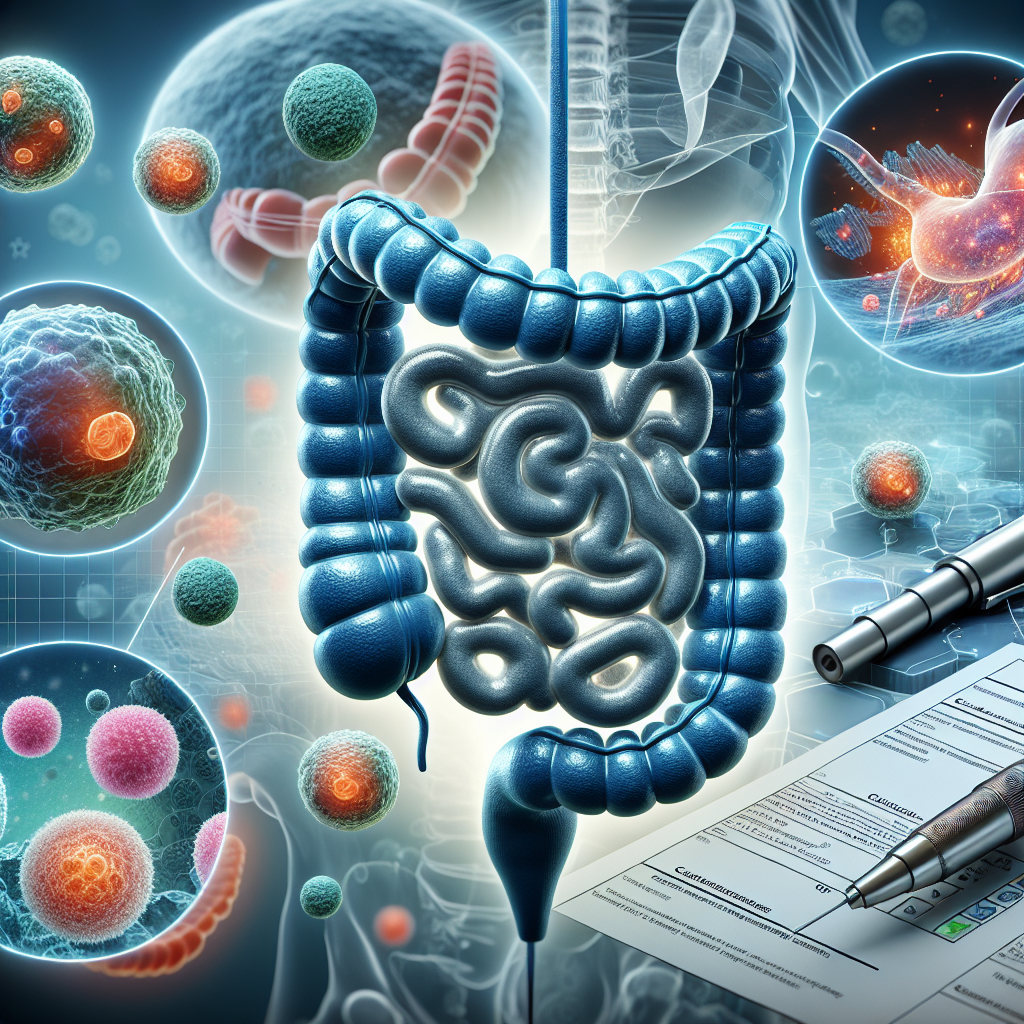
Recent research into stem cell therapy for Crohn’s disease is showing promising results that could change how we approach treatment. Scientists are focusing on mesenchymal stem cells (MSCs) harvested from umbilical cord tissue, which work differently than traditional medications. Instead of just reducing inflammation temporarily, these stem cells appear to actually regulate the overactive immune response that drives Crohn’s disease.
Early studies suggest that this therapy is not only safe but could significantly reduce the need for repeat surgeries—one of the most challenging aspects of living with Crohn’s. Rather than just treating symptoms, this approach aims to heal damaged tissue and create lasting changes in how the immune system responds. Some specialized clinics, including facilities like DVC Stem in the Cayman Islands, are already offering these advanced treatments to patients who haven’t found success with conventional therapies.
This post summarizes reporting from Medscape. Our analysis represents IBD Movement’s perspective and is intended to help patients understand how this news may affect them. Read the original article for complete details.
What This Means for the IBD Community
As someone who follows IBD research closely, I find this development particularly exciting because it represents a fundamental shift in how we think about treating Crohn’s disease. For decades, our approach has been largely reactive—we wait for flares to happen, then we treat them. We use medications to suppress inflammation, and when those stop working or complications arise, we turn to surgery. It’s been an endless cycle of management rather than true healing.
What makes stem cell therapy different is its potential to be truly regenerative. These mesenchymal stem cells don’t just mask symptoms; they appear to actually repair damaged intestinal tissue and retrain the immune system to stop attacking healthy cells. Think of it as teaching your body to remember how to behave normally again, rather than just forcing it to be quiet temporarily.
For those of us in the IBD community, this could mean several life-changing possibilities. First, and perhaps most importantly, it might reduce the likelihood of needing multiple surgeries throughout your life. If you’ve already had one bowel resection, you know the anxiety that comes with knowing you might need another one down the road. Stem cell therapy could potentially break that cycle.
Second, this approach might offer hope for people who have exhausted traditional treatment options. If you’ve tried multiple biologics, immunosuppressants, and other medications without sustained success, you might feel like you’re running out of choices. Advanced therapies like stem cell treatment could provide a new avenue when conventional medicine has reached its limits.
The timing aspect is also crucial to consider. Currently, many of us wait until we’re quite sick—experiencing severe symptoms, complications, or failed medications—before considering more aggressive interventions. But stem cell therapy might work best when implemented earlier in the disease process, potentially preventing the severe complications that often necessitate emergency surgery.
From a practical standpoint, patients considering this option should be prepared for some realities. These treatments are often not yet covered by insurance and may require travel to specialized facilities. The research is still evolving, so while early results are promising, we don’t yet have decades of long-term data. It’s important to have realistic expectations while remaining hopeful about the possibilities.
This development also highlights the importance of staying connected with your healthcare team and being an active participant in your care decisions. Questions you might want to discuss with your gastroenterologist include: Are you a candidate for this type of therapy? What does your current disease trajectory look like? Are there clinical trials available in your area? How might this fit into your overall treatment plan?
What I find most encouraging about this research is that it represents a broader trend in IBD treatment toward precision medicine and regenerative approaches. We’re moving beyond the one-size-fits-all model toward treatments that are tailored to individual patients and aimed at actual healing rather than just symptom management.
For caregivers and family members, this news might offer a sense of renewed hope after watching a loved one struggle with repeated treatments and procedures. It’s a reminder that medical science continues to evolve, and today’s “impossible” could become tomorrow’s standard treatment.
The research into stem cell therapy also underscores the importance of the IBD community supporting each other and staying informed about emerging treatments. Your experience with new therapies—whether positive, negative, or mixed—becomes valuable information for others facing similar decisions. Sharing these stories responsibly can help build the collective knowledge that benefits everyone in our community.
Bottom Line
While stem cell therapy for Crohn’s disease is still in relatively early stages, the potential it represents is genuinely exciting. The possibility of moving from a cycle of managing flares and repeated surgeries to actually healing the underlying disease process could be transformative for many people living with Crohn’s.
This doesn’t mean rushing into unproven treatments, but it does mean staying informed, asking questions, and working closely with your healthcare team to understand all your options. The future of IBD treatment is evolving rapidly, and maintaining hope while being realistic about current limitations is the balance we all need to strike. Your journey with Crohn’s may be challenging, but research like this reminds us that better days could be ahead.
IBD Movement provides information for educational purposes only. This content is not intended to be a substitute for professional medical advice, diagnosis, or treatment. Always seek the advice of your physician or other qualified health provider with any questions you may have regarding a medical condition.
Related Posts

New Research Links Certain Occupations to Higher IBD Risk: What This Means for Your Career and Health
February 28, 2026
Eli Lilly’s Omvoh Shows Promise for Crohn’s Disease: What This Breakthrough Could Mean for Your Treatment Journey
February 27, 2026
Could Your Cholesterol Medication Help Your IBD? New Research Reveals Surprising Connection
February 27, 2026