The Critical Importance of Early IBD Detection and Action
That gnawing feeling in your gut—literally and figuratively—when your body starts sending signals that something isn’t right. The cramping that won’t quit, the bathroom urgency that disrupts your day, and yes, the blood that makes your heart skip a beat. If you’re reading this, chances are you or someone you love has felt that particular cocktail of fear and uncertainty that comes with unexplained digestive symptoms.
For those of us in the IBD community, we know that journey all too well. The months (or sometimes years) of dismissing symptoms, hoping they’ll disappear on their own, or being told it’s “just stress.” But what if those early warning signs could have led to a completely different story—one where treatment starts sooner, symptoms are managed more effectively, and quality of life improves dramatically?
Summary of Read more here
Healthcare experts are emphasizing the transformative power of early action when it comes to inflammatory bowel disease. The key message is clear: persistent digestive symptoms, ongoing abdominal pain, and rectal bleeding shouldn’t be ignored or explained away. These could be your body’s way of signaling IBD—a condition affecting millions of Americans where the immune system mistakenly attacks the digestive tract.
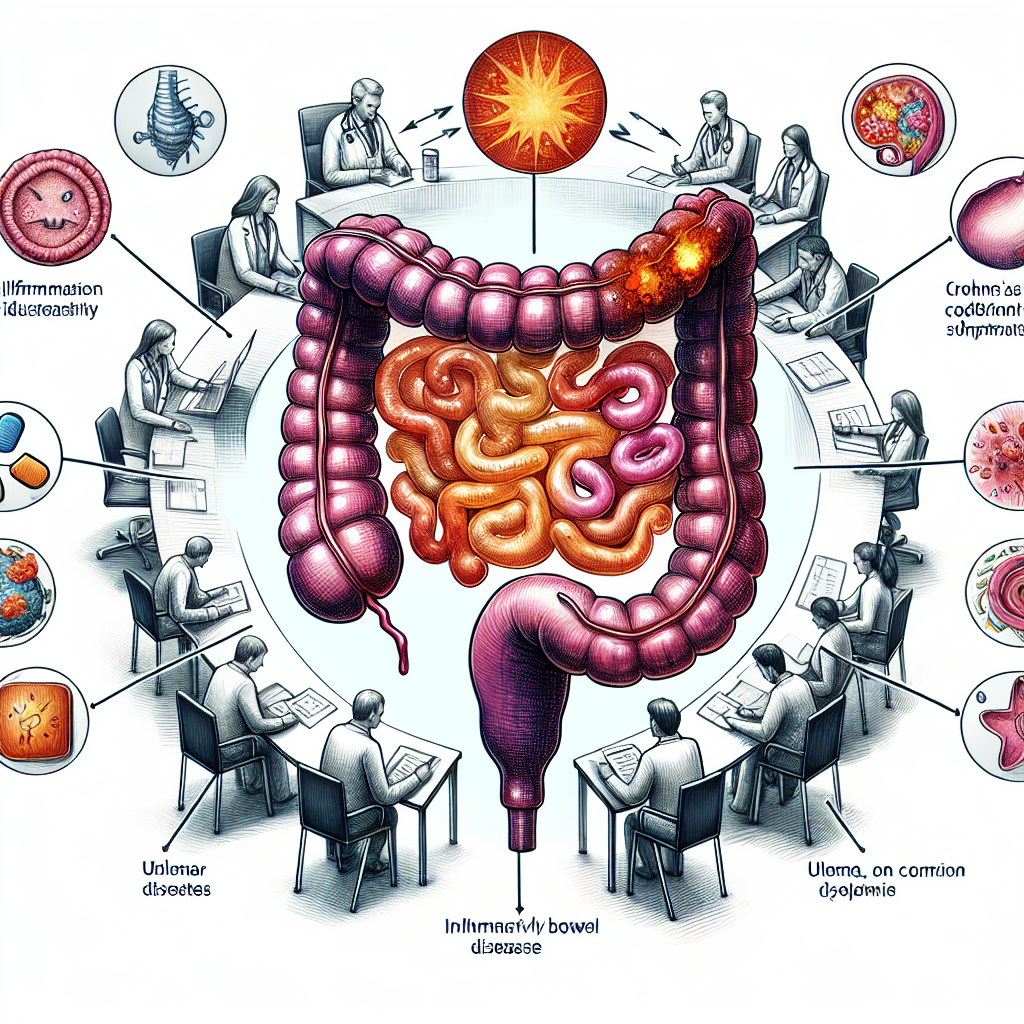
The difference between delayed diagnosis and early intervention can be life-changing. Modern IBD care has evolved beyond simply managing symptoms to providing comprehensive, personalized treatment approaches. Leading medical centers are now adopting team-based care models where gastroenterologists, nutritionists, mental health professionals, and other specialists work together to address every aspect of living with IBD.
This collaborative approach includes access to advanced medications, holistic support systems, and emotional wellness resources. The goal isn’t just symptom control—it’s helping patients reclaim their lives and prevent the disease from defining their daily experiences.
This post summarizes reporting from Read more here. Our analysis represents IBD Movement’s perspective and is intended to help patients understand how this news may affect them. Read the original article for complete details.
What This Means for the IBD Community
This emphasis on early detection and intervention represents a crucial shift in how we think about IBD care, and frankly, it’s about time. For too long, many of us have experienced what I call the “diagnostic odyssey”—that frustrating journey through multiple doctors, dismissed symptoms, and delayed answers that can stretch on for months or even years.
The Reality of Delayed Diagnosis
Let’s be honest about what delayed diagnosis really costs us. Every month that passes without proper treatment is a month where inflammation continues unchecked, potentially leading to complications that could have been prevented. It’s a month of missed work days, cancelled social plans, and the emotional toll of not knowing what’s wrong with your body. More importantly, it’s time when early intervention could be preventing permanent damage to your digestive tract.
Research consistently shows that earlier treatment leads to better long-term outcomes. When we catch IBD in its earlier stages, we have more treatment options available, and we’re more likely to achieve and maintain remission. This isn’t just about feeling better today—it’s about preserving your health for decades to come.
The Power of Team-Based Care
The move toward comprehensive, team-based care models is particularly exciting because it acknowledges what many of us have known all along: IBD affects every aspect of your life, not just your digestive system. When you’re dealing with chronic fatigue, joint pain, skin issues, anxiety about flare-ups, and the social isolation that can come with unpredictable symptoms, you need more than just a gastroenterologist.
This holistic approach means having access to mental health support when the emotional burden becomes overwhelming. It means working with nutritionists who understand the complex relationship between food and IBD symptoms. It means having care coordinators who can help navigate insurance issues and connect you with patient assistance programs. Most importantly, it means being treated as a whole person, not just a collection of symptoms.
Questions to Consider for Your Healthcare Team
If you’re experiencing persistent digestive symptoms, here are some important questions to discuss with your healthcare provider:
- What specific tests are needed to rule out or confirm IBD?
- If I do have IBD, what does a comprehensive treatment plan look like?
- How quickly should I expect to see improvement with treatment?
- What support services are available beyond medication management?
- How will we monitor for complications and adjust treatment over time?
- What lifestyle modifications might help alongside medical treatment?
The Broader Implications
This focus on early intervention and comprehensive care reflects broader positive trends in IBD treatment. We’re moving away from the old “wait and see” approach and toward proactive, personalized medicine. The development of new biologics, the growing understanding of the gut microbiome, and the recognition of IBD as a systemic condition requiring multidisciplinary care are all contributing to better outcomes for patients.
We’re also seeing increased awareness about IBD in the general medical community, which means primary care physicians are becoming better at recognizing early signs and making appropriate referrals. This is crucial because many IBD diagnoses still start in primary care settings.
Advocating for Yourself
Perhaps most importantly, this message about early intervention empowers patients to advocate for themselves. If you’re experiencing symptoms that concern you, don’t let anyone—including healthcare providers—dismiss them as “just stress” or “normal aging.” You know your body better than anyone else, and persistent changes deserve proper investigation.
Keep a symptom diary, ask for referrals to specialists when needed, and don’t be afraid to seek second opinions. The squeaky wheel gets the grease, and when it comes to your health, being that squeaky wheel could literally change your life.
The bottom line is this: you deserve care that addresses not just your symptoms, but your overall quality of life. You deserve a healthcare team that listens to your concerns, involves you in treatment decisions, and supports you through every aspect of managing a chronic condition. And you deserve treatment that starts as early as possible to give you the best chance at long-term health and happiness.
If you’re still waiting for answers, don’t give up. If you’ve been recently diagnosed, know that early treatment gives you significant advantages. And if you’re reading this because you’re supporting someone else through their IBD journey, your advocacy and understanding make more difference than you might realize. We’re in this together, and together, we’re stronger than any chronic condition.
IBD Movement provides information for educational purposes only. This content is not intended to be a substitute for professional medical advice, diagnosis, or treatment. Always seek the advice of your physician or other qualified health provider with any questions you may have regarding a medical condition.
Related Posts

New Research Links Certain Occupations to Higher IBD Risk: What This Means for Your Career and Health
February 28, 2026
Eli Lilly’s Omvoh Shows Promise for Crohn’s Disease: What This Breakthrough Could Mean for Your Treatment Journey
February 27, 2026
Could Your Cholesterol Medication Help Your IBD? New Research Reveals Surprising Connection
February 27, 2026