New IBD Companion App Offers Real Support for Daily Challenges
If you’ve ever found yourself frantically searching for a bathroom while out with friends, or sitting in a doctor’s office struggling to remember exactly how many flare symptoms you experienced last month, you understand how IBD can make the simplest aspects of life feel overwhelming. The daily reality of managing Crohn’s disease or ulcerative colitis goes far beyond the physical symptoms—it’s about navigating a world that wasn’t designed with our needs in mind, while trying to maintain some sense of normalcy and control.
That constant juggling act between managing symptoms, medications, appointments, and the unpredictability of flares can leave anyone feeling exhausted and isolated. It’s a reality that most people without IBD simply can’t grasp, which makes news about tools specifically designed to support our community particularly meaningful.
Summary of Takeda India Unveils Mobile App To Support IBD Patients With Personalised Care
Takeda has launched a new mobile application called “For You, With You IBD” specifically designed to support people living with inflammatory bowel disease. The app was developed through collaboration between patients and healthcare providers to address the real-world challenges that IBD patients face daily.
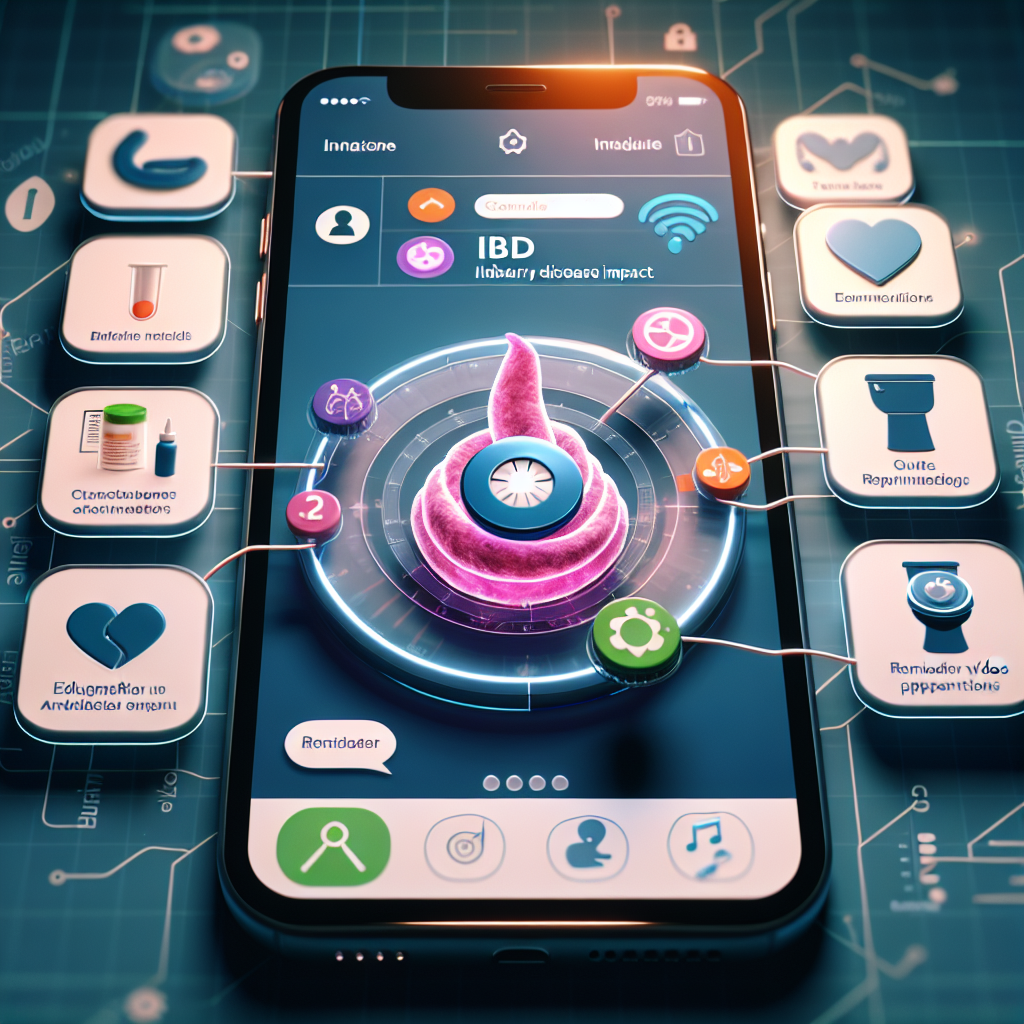
Key features of the app include a bathroom locator to help users find nearby facilities quickly, medication reminders to help maintain treatment schedules, appointment tracking, and tools for monitoring symptoms. The app also provides educational resources about IBD management and includes gut-friendly recipes to support nutritional needs. Additionally, the platform enables better communication between patients and their healthcare teams by allowing users to share real-time data about their condition.
The app is designed not just as a tracking tool, but as a comprehensive companion that addresses both the medical and practical aspects of living with IBD. The data collected through the app also contributes to ongoing research efforts to improve care for the broader IBD community.
This post summarizes reporting from Takeda India Unveils Mobile App To Support IBD Patients With Personalised Care. Our analysis represents IBD Movement’s perspective and is intended to help patients understand how this news may affect them. Read the original article for complete details.
What This Means for the IBD Community
The launch of “For You, With You IBD” represents something we’ve been waiting for—a technology solution that actually understands the multifaceted challenges of living with IBD. What makes this app particularly promising is that it was developed with patients, not just for them. This collaborative approach suggests that the features address real pain points rather than what developers think we need.
The bathroom locator feature alone could be life-changing for many in our community. We’ve all been there—that moment of panic when urgency strikes and you’re in an unfamiliar area. Having a reliable tool to quickly locate nearby facilities could restore confidence to venture out and participate more fully in social activities, travel, and everyday errands that many take for granted.
The medication reminder system addresses another critical challenge. With complex treatment regimens that often involve multiple medications taken at different times throughout the day, it’s surprisingly easy to miss doses or forget whether you’ve already taken your evening medication. Consistent medication adherence is crucial for maintaining remission and preventing flares, making this feature potentially significant for long-term health outcomes.
Perhaps most importantly, the app’s ability to facilitate better communication with healthcare teams could transform the quality of medical appointments. Instead of trying to remember and describe symptom patterns from memory, patients can share concrete data about their experiences. This could lead to more informed treatment decisions and help doctors spot patterns that might not be apparent from brief office visits.
The educational resources and gut-friendly recipes represent an understanding that IBD management extends far beyond medication. Many of us have struggled to find reliable, practical nutrition guidance that acknowledges the complexity of digestive sensitivities while still promoting enjoyable eating experiences. Having curated, IBD-specific content in one place could reduce the overwhelming task of sifting through conflicting dietary advice online.
From a broader perspective, the data collection aspect of this app could contribute valuable real-world evidence to IBD research. When patients voluntarily share their experiences through standardized tracking, researchers gain insights into how treatments perform outside clinical trial settings and what factors most significantly impact quality of life. This crowdsourced approach to understanding IBD could accelerate the development of more effective treatments and support strategies.
However, as with any health technology, there are important considerations for potential users. Privacy and data security should be top priorities—we need assurance that sensitive health information is protected. The app’s effectiveness will also depend heavily on user adoption and sustained engagement, which can be challenging when managing a chronic condition often leaves little energy for additional tasks.
Questions you might consider discussing with your healthcare team include: How could sharing app-generated data enhance your treatment planning? Would your doctor be receptive to receiving symptom tracking information through this platform? Are there specific features that would be most beneficial for your particular situation?
This development also reflects a broader trend toward patient-centered healthcare technology. We’re seeing more companies recognize that successful health apps must address the entire patient experience, not just clinical metrics. The inclusion of practical features like bathroom locations alongside medical tracking suggests a more holistic understanding of what it means to live well with IBD.
For our community, this represents hope that technology developers are finally listening to what we actually need. Too often, health apps focus solely on symptom tracking without acknowledging that successful IBD management involves navigating social situations, maintaining independence, and preserving quality of life alongside medical treatment.
Looking Forward
While this app launches in India initially, its success could pave the way for similar comprehensive support tools in other regions. The collaborative development approach sets a positive precedent for future IBD technologies, demonstrating the value of meaningful patient involvement in creating solutions that actually address our lived experiences.
The fact that a major pharmaceutical company has invested in developing this type of comprehensive support tool also signals growing recognition that patient care extends beyond medication alone. This could encourage other companies to invest in similar holistic support platforms, ultimately benefiting our entire community.
The “For You, With You IBD” app represents more than just another health tracking tool—it’s a recognition that living with IBD involves complex daily challenges that deserve thoughtful, comprehensive support. While we’ll need to see real-world usage data to fully evaluate its impact, the patient-centered development approach and comprehensive feature set offer genuine hope for improving daily life with IBD. Whether this app becomes widely available globally or simply inspires similar developments, it represents progress toward technology that truly serves our community’s needs. For those who have felt invisible in their struggles with IBD, having tools specifically designed to understand and support those challenges represents a meaningful step toward better care and greater independence.
IBD Movement provides information for educational purposes only. This content is not intended to be a substitute for professional medical advice, diagnosis, or treatment. Always seek the advice of your physician or other qualified health provider with any questions you may have regarding a medical condition.
Related Posts

New Research Links Certain Occupations to Higher IBD Risk: What This Means for Your Career and Health
February 28, 2026
Eli Lilly’s Omvoh Shows Promise for Crohn’s Disease: What This Breakthrough Could Mean for Your Treatment Journey
February 27, 2026
Could Your Cholesterol Medication Help Your IBD? New Research Reveals Surprising Connection
February 27, 2026