How Food Choices Can Transform Your Life with Crohn’s Disease
If you’re living with Crohn’s disease, you know that relationship with food can feel complicated—sometimes it feels like every meal is a gamble. One day you eat something and feel fine, the next day that same food sends you running to the bathroom or doubled over in pain. It’s exhausting to constantly wonder if what you’re putting in your mouth will help or hurt you.
The truth is, you’re not alone in this struggle. Nearly every person with IBD has stood in their kitchen, staring at their options, feeling frustrated and uncertain. But here’s the hopeful part: many people have found that with the right approach to eating, food can become an ally rather than an enemy in managing Crohn’s symptoms.
Summary of Prevention: Best Foods to Eat for Crohn’s Disease
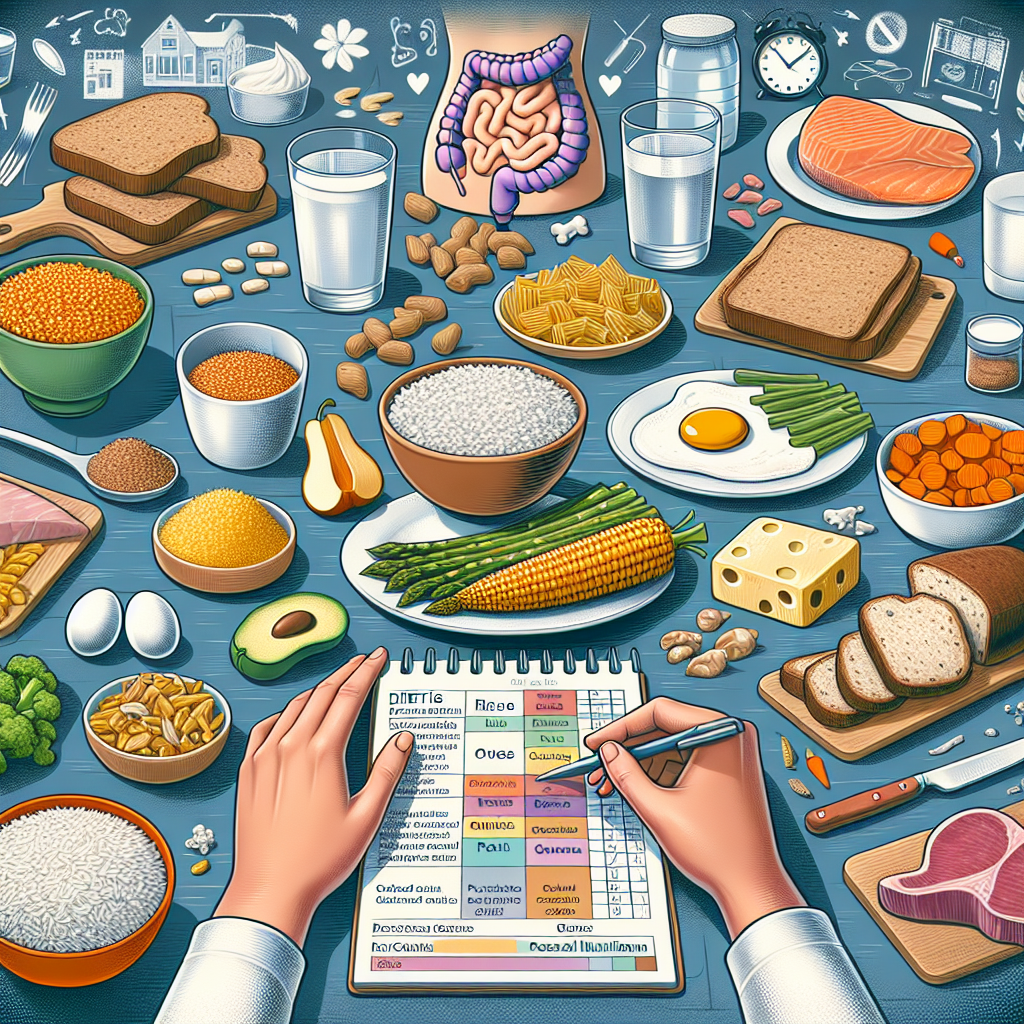
Prevention’s recent guide highlights several key strategies for eating with Crohn’s disease. The article emphasizes that gentle, easy-to-digest foods often work best during flares, including cooked vegetables (rather than raw), white rice, and lean proteins. The guide suggests avoiding high-fiber foods during active symptoms, opting instead for refined grains that are easier on the digestive system.
The article also points to lactose-free dairy alternatives and cooked fruits as better choices than their raw counterparts. It stresses the importance of staying hydrated and suggests keeping a food diary to identify personal triggers and safe foods. The overall message is that while everyone’s experience with Crohn’s is different, there are common patterns that can help guide food choices toward better symptom management.
This post summarizes reporting from Prevention: Best Foods to Eat for Crohn’s Disease. Our analysis represents IBD Movement’s perspective and is intended to help patients understand how this news may affect them. Read the original article for complete details.
What This Means for the IBD Community
This guidance reflects what many of us in the IBD community have learned through trial and error—that food choices can significantly impact how we feel day to day. But let’s dig deeper into why this matters and how you can apply these insights to your own life.
The Psychology of Food Anxiety
First, it’s important to acknowledge the emotional toll that food uncertainty takes. When you’ve been burned by a particular food before, it’s natural to develop anxiety around eating. This can lead to overly restrictive diets that may actually worsen nutritional status over time. The key insight here is that there’s often a middle ground between “eat everything” and “eat nothing suspicious.”
Understanding Your Personal Pattern
The food diary recommendation isn’t just about tracking what you eat—it’s about recognizing your body’s unique patterns. Some people with Crohn’s find they can tolerate certain high-fiber foods during remission but need to avoid them completely during flares. Others discover that their triggers are less about the food itself and more about timing, portion size, or how it’s prepared.
For example, you might find that you can handle small amounts of cooked broccoli but that raw broccoli or large portions cause problems. This kind of nuanced understanding only comes from patient, consistent tracking over time.
The Importance of Cooking Methods
One often-overlooked aspect of IBD nutrition is how cooking methods can transform potentially problematic foods into gentler options. Steaming, boiling, and roasting can break down tough fibers that might irritate inflamed intestines. This means you don’t necessarily have to eliminate entire food groups—you might just need to prepare them differently.
Consider keeping a list of “safe prep methods” alongside your safe foods list. You might note that roasted carrots work better than raw ones, or that well-cooked oatmeal is fine but overnight oats cause issues.
Practical Questions for Your Healthcare Team
This type of dietary guidance raises important questions you might want to discuss with your gastroenterologist or a registered dietitian familiar with IBD:
- Should you follow different eating patterns during flares versus remission?
- How do you balance the need for easy digestion with getting adequate nutrition?
- Are there specific nutrients you should supplement if you’re avoiding certain food groups?
- How do your current medications affect nutrient absorption?
- Would working with an IBD-experienced dietitian help you develop a more personalized approach?
The Social Aspect of Eating
Something that general nutrition articles often miss is how IBD affects the social aspects of eating. When you’re following a careful diet, social meals can become stressful. You might worry about having safe options at restaurants or feel embarrassed about your dietary restrictions around friends and family.
Consider developing strategies for these situations: research restaurant menus in advance, don’t hesitate to call ahead and ask about preparation methods, or offer to bring a dish to gatherings that you know you can eat. Remember, most people are more understanding than you might expect.
Building Food Confidence
Perhaps most importantly, this type of guidance can help you build confidence around food again. When you have a foundation of foods you know work for you, branching out becomes less scary. You’re not shooting in the dark—you’re making educated guesses based on your growing understanding of your body’s needs.
Start with a core list of absolutely safe foods, then gradually experiment with variations. Maybe you know white rice works for you—can you try rice pasta? If cooked carrots are safe, what about cooked parsnips? This systematic approach can help expand your options over time without the anxiety of random experimentation.
Looking at Broader Trends
This advice aligns with a growing recognition in the IBD community that personalized nutrition approaches often work better than one-size-fits-all diets. We’re seeing more research into how individual genetic factors, gut microbiome composition, and disease characteristics might influence dietary responses.
While we wait for more personalized approaches to become widely available, the food diary method remains one of the best tools we have for developing individualized strategies.
The bottom line is that while living with Crohn’s means being more thoughtful about food choices, it doesn’t mean you have to live in fear of eating. With patience, observation, and the right support, many people find they can develop a sustainable approach to eating that supports both their physical health and their quality of life. You deserve to enjoy food again—and with the right strategies, that’s absolutely possible.
Remember, your relationship with food is a journey, not a destination. Be patient with yourself as you figure out what works, and don’t hesitate to seek support from healthcare providers who understand IBD when you need it.
IBD Movement provides information for educational purposes only. This content is not intended to be a substitute for professional medical advice, diagnosis, or treatment. Always seek the advice of your physician or other qualified health provider with any questions you may have regarding a medical condition.
Related Posts

New Research Links Certain Occupations to Higher IBD Risk: What This Means for Your Career and Health
February 28, 2026
Eli Lilly’s Omvoh Shows Promise for Crohn’s Disease: What This Breakthrough Could Mean for Your Treatment Journey
February 27, 2026
Could Your Cholesterol Medication Help Your IBD? New Research Reveals Surprising Connection
February 27, 2026