What to Eat During a Crohn’s Flare: A Personal Guide to Healing
There’s something uniquely isolating about waking up during a Crohn’s flare and knowing that the simple act of eating—something most people take for granted—has become a minefield. The stomach pain, the exhaustion, the mental fog that comes with inflammation can make every food choice feel like a high-stakes decision. If you’re reading this during a flare, know that you’re not alone in this struggle, and there are gentle, science-backed approaches that can help ease your symptoms.
The relationship between food and Crohn’s disease is complex and deeply personal. What soothes one person might trigger another, and what worked during your last flare might not work this time. But understanding the principles behind flare-friendly eating can give you a foundation to build from, helping you reclaim some sense of control when your body feels unpredictable.
Summary of What to Eat During a Crohn’s Flare
During a Crohn’s flare-up, the digestive system becomes inflamed and hypersensitive, making it crucial to choose foods that are easy to digest and unlikely to irritate the gut. The key approach is following a low-residue diet, which limits high-fiber foods that can be difficult to process during inflammation.
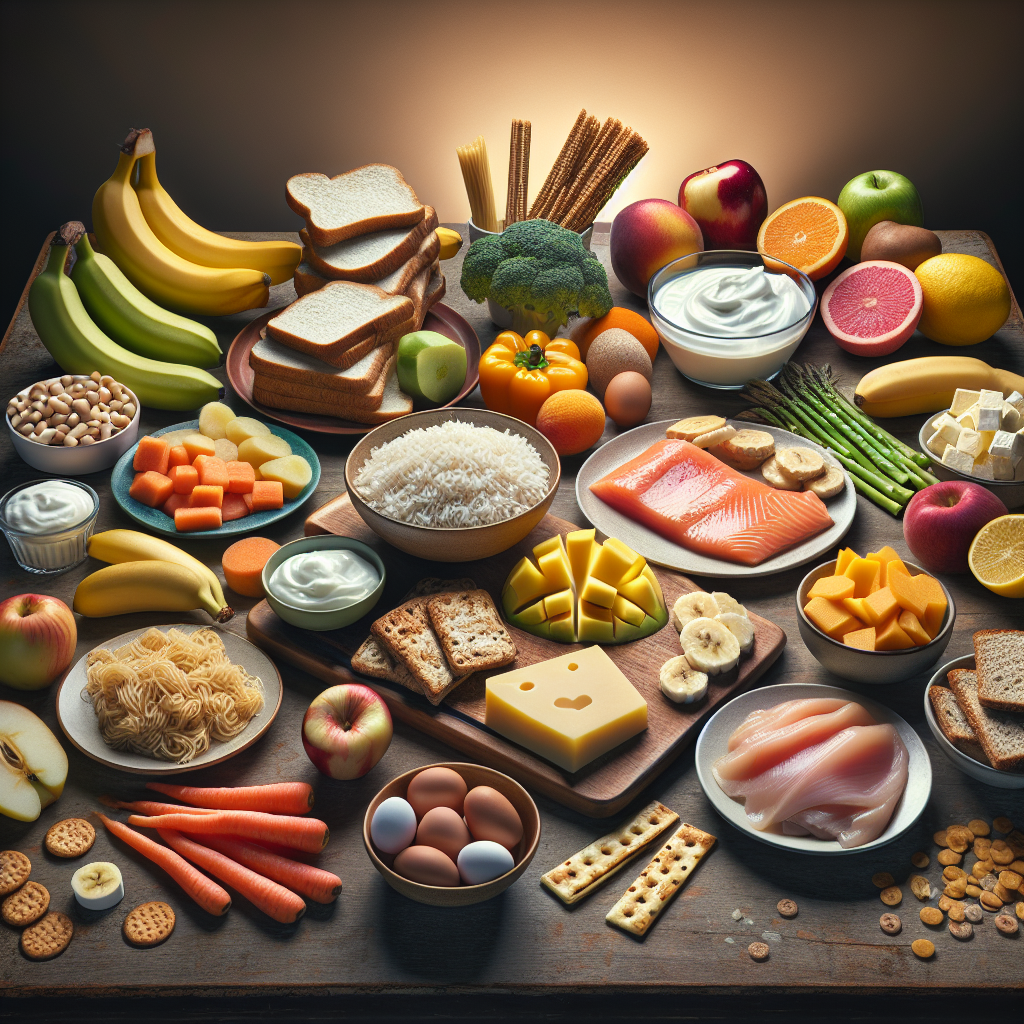
Recommended foods during a flare include refined grains like white rice, pasta, and soft breads, which move through the digestive system with minimal stress. Soft, low-fiber fruits such as bananas and melons provide essential nutrients without overwhelming the gut. Well-cooked vegetables, lean proteins like chicken and fish, and cautiously consumed dairy products can also be beneficial for some people.
The goal is to provide adequate nutrition while minimizing digestive work, allowing the inflamed intestinal tissue time to heal. This approach can lead to reduced symptoms, increased energy levels, and less anxiety around mealtimes during difficult flare periods.
This post summarizes reporting from What to Eat During a Crohn’s Flare. Our analysis represents IBD Movement’s perspective and is intended to help patients understand how this news may affect them. Read the original article for complete details.
What This Means for the IBD Community
Understanding the science behind low-residue eating during flares represents more than just dietary guidance—it’s about reclaiming agency during some of the most challenging moments of living with Crohn’s disease. When inflammation takes hold, many of us feel like our bodies have betrayed us, but having a clear nutritional roadmap can restore a sense of partnership with our healing process.
The emphasis on refined grains during flares often surprises people, especially those who’ve been told that whole grains are always the healthier choice. This is where Crohn’s disease challenges conventional nutrition wisdom. During active inflammation, your intestinal lining is already working overtime to manage the disease process. High-fiber foods that are typically beneficial become additional stressors, requiring extra digestive energy your body simply doesn’t have to spare.
What’s particularly valuable about this approach is how it addresses the psychological component of eating with Crohn’s. The fear of triggering symptoms can create a harmful cycle where people restrict their diets so severely that malnutrition becomes a secondary concern. A low-residue diet provides structure and permission to eat nourishing foods without the constant worry of making symptoms worse.
For caregivers and family members, understanding these principles can be transformative. Instead of feeling helpless while watching a loved one struggle with food choices, you can actively participate in creating a supportive eating environment. This might mean preparing gentle, easily digestible meals or simply understanding why someone might choose white rice over brown during a difficult time.
The practical implications extend beyond just what’s on the plate. Many people find that keeping a simple food diary during flares helps identify patterns and builds confidence in food choices. Consider tracking not just what you eat, but how you feel 2-4 hours afterward, your energy levels, and any digestive symptoms. This information becomes invaluable for future flare management and discussions with your healthcare team.
Questions to Discuss with Your Healthcare Provider
While these dietary principles provide a helpful framework, every person’s Crohn’s disease manifests differently. Consider bringing these questions to your next appointment:
- How long should I follow a low-residue diet during a flare, and what signs indicate it’s time to gradually reintroduce higher-fiber foods?
- Are there specific nutrients I should be supplementing while on a restricted diet?
- How can I tell the difference between foods that are genuinely problematic versus foods I’m avoiding due to anxiety?
- What role might probiotics play in my recovery, and are there specific strains you recommend?
- Should I be working with a registered dietitian who specializes in IBD?
These conversations can help you develop a personalized approach that considers your unique disease pattern, nutritional needs, and lifestyle factors.
The Bigger Picture: Nutrition as Medicine
This guidance reflects a growing understanding in the IBD community that nutrition plays a therapeutic role, not just a supportive one. We’re moving beyond the outdated advice to “just avoid what bothers you” toward evidence-based approaches that can actively support healing and reduce inflammation.
The low-residue approach during flares is part of a broader trend toward personalized nutrition in IBD care. Researchers are exploring everything from the Mediterranean diet’s anti-inflammatory effects to the role of specific amino acids in intestinal healing. While we wait for more definitive research, having practical strategies like low-residue eating gives us tools to work with our bodies rather than against them.
It’s also worth noting how this approach challenges the “one size fits all” mentality that often surrounds healthy eating advice. The IBD community has long understood that our relationship with food is complex and individualized. This guidance validates what many of us have learned through experience: that sometimes the “healthiest” choice is the one that allows our bodies to heal.
During your next flare, remember that choosing gentle, easily digestible foods isn’t giving up on nutrition—it’s practicing a form of medical self-care. You’re giving your inflamed intestines the rest they need while still providing your body with essential nutrients and energy. This is sophisticated, responsive eating that honors where your body is right now.
The path through a Crohn’s flare is never linear, and neither is the journey back to a more varied diet. Some days, white rice and well-cooked chicken might feel like a feast because they represent comfort without consequence. Other days, you might feel ready to test a small portion of a previously problematic food. Both experiences are part of learning to live skillfully with this disease.
Most importantly, this guidance offers hope during times when food feels like the enemy. By understanding the science behind gentle eating during flares, you can approach meals with confidence rather than fear, knowing that each careful choice is supporting your body’s remarkable capacity to heal.
IBD Movement provides information for educational purposes only. This content is not intended to be a substitute for professional medical advice, diagnosis, or treatment. Always seek the advice of your physician or other qualified health provider with any questions you may have regarding a medical condition.
Related Posts

New Research Links Certain Occupations to Higher IBD Risk: What This Means for Your Career and Health
February 28, 2026
Eli Lilly’s Omvoh Shows Promise for Crohn’s Disease: What This Breakthrough Could Mean for Your Treatment Journey
February 27, 2026
Could Your Cholesterol Medication Help Your IBD? New Research Reveals Surprising Connection
February 27, 2026