New Hope: Personalized IBD Treatment Gets Closer to Reality
We’ve all been there—that moment when your body betrays you in the middle of an important meeting, a family gathering, or just a quiet Tuesday morning. The cramping, the urgency, the exhaustion that follows. Living with IBD means living with uncertainty, never quite knowing when your body will cooperate or revolt. But what if I told you that researchers are getting closer to understanding exactly what’s happening in your body, in ways that could transform how we treat Crohn’s disease and ulcerative colitis?
For too long, IBD treatment has felt like throwing darts in the dark. What works brilliantly for your neighbor with Crohn’s might do nothing for you. What sends you into remission might trigger someone else’s worst flare. But groundbreaking research is beginning to illuminate the complex biological pathways that drive our disease, bringing us closer to truly personalized treatment.
Summary of Original Article Link
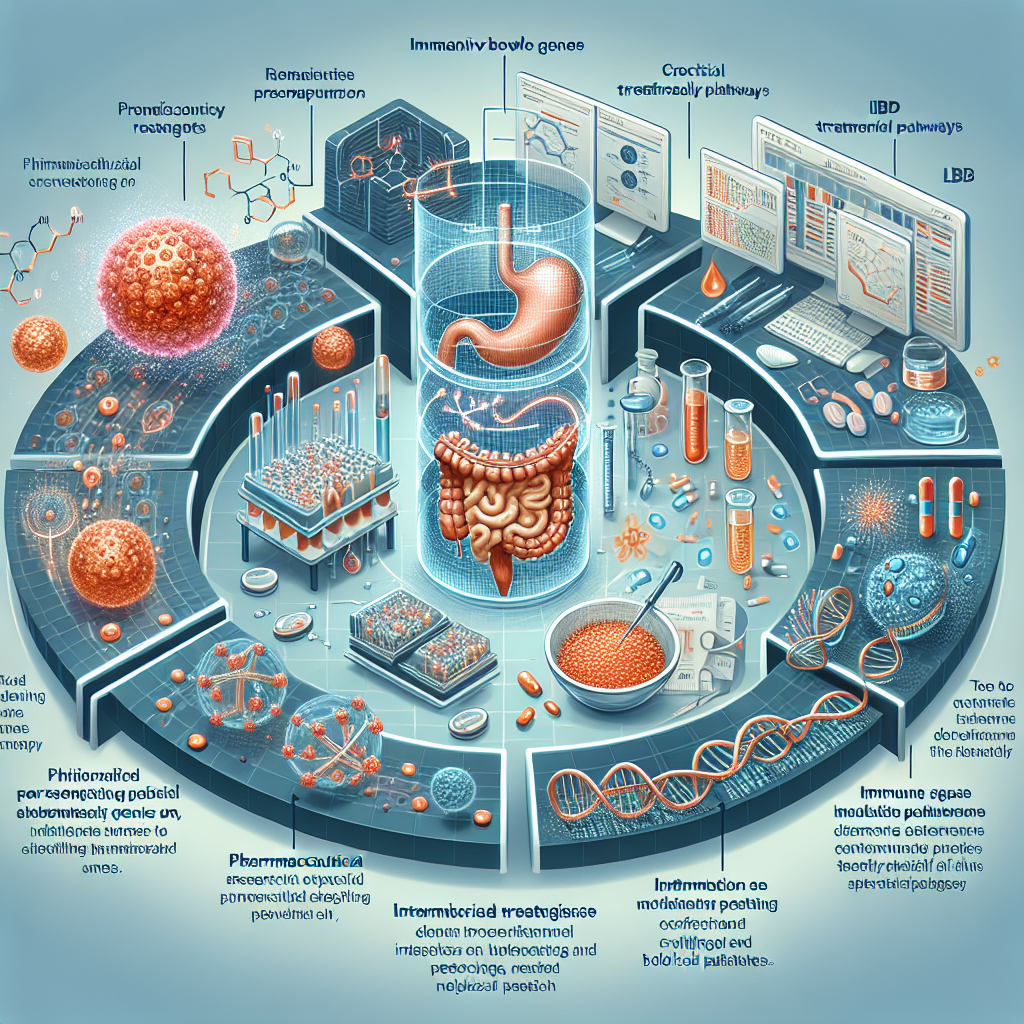
Recent research led by scientists Tao Wang and Li has made significant strides in understanding how IBD progresses at the molecular level. Using advanced bioinformatics tools, the research team analyzed gene expression data from the Gene Expression Omnibus database to identify specific biomarkers and biological pathways that change as IBD advances from early to late stages.
The researchers used sophisticated analytical methods including differential gene expression analysis, protein-protein interaction mapping, and functional enrichment studies. Their findings revealed key genes and pathways—particularly those involved in immune response and inflammation—that are altered as IBD progresses. These discoveries could potentially allow doctors to diagnose IBD earlier, monitor disease progression more accurately, and develop more targeted treatment approaches.
The study’s identification of specific molecular pathways also opens new possibilities for pharmaceutical research, potentially leading to drugs that can interrupt or modify these disease processes, resulting in more effective treatments with fewer side effects.
This post summarizes reporting from Original Article Link. Our analysis represents IBD Movement’s perspective and is intended to help patients understand how this news may affect them. Read the original article for complete details.
What This Means for the IBD Community
This research represents a fundamental shift in how we might approach IBD care in the future. Instead of the current trial-and-error approach that many of us know too well, imagine walking into your gastroenterologist’s office and receiving a treatment plan designed specifically for your unique biological makeup. That’s the promise this type of biomarker research holds.
For those of us living with IBD, the implications are profound. Currently, finding the right medication often feels like a frustrating game of chance. You might start with mesalamine, move to immunosuppressants, try biologics, and still not find your perfect match. Each failed attempt means weeks or months of continued symptoms, potential complications, and the emotional toll of dashed hopes. But if doctors could identify specific biomarkers that predict how your body will respond to different treatments, we could potentially skip the ineffective medications and go straight to what will work best for you.
The research’s focus on disease progression markers is equally exciting. One of the most anxiety-provoking aspects of living with IBD is not knowing how your disease will evolve. Will you remain in the mild category, or are you destined for more aggressive disease requiring surgery? The ability to identify patients at risk for disease progression could transform monitoring and prevention strategies.
Consider what this might mean for newly diagnosed patients. Instead of the overwhelming uncertainty that typically accompanies an IBD diagnosis, imagine if doctors could provide clearer insights into your disease trajectory and optimal treatment path from day one. This could dramatically reduce the physical and emotional suffering that often characterizes the early years after diagnosis.
Practical Questions for Your Next Doctor Visit
While this research is still in its early stages, it’s worth discussing with your healthcare team. Here are some questions you might consider:
- How might biomarker testing fit into my current monitoring routine?
- Are there any emerging biomarker tests that might be relevant for my specific situation?
- How is personalized medicine currently being incorporated into IBD treatment at your practice?
- What should I know about participating in research studies that might advance personalized IBD care?
These conversations can help you stay informed about cutting-edge developments while ensuring your current treatment plan remains optimized for your needs.
The Bigger Picture in IBD Research
This study fits into a larger trend toward precision medicine in IBD care. We’re seeing similar advances in microbiome research, where scientists are identifying specific bacterial signatures associated with treatment response and disease outcomes. Pharmaceutical companies are also increasingly focusing on targeted therapies that address specific inflammatory pathways rather than broadly suppressing the immune system.
The convergence of these research areas—biomarkers, microbiome science, and targeted therapeutics—suggests we’re approaching a tipping point in IBD care. While we can’t predict exactly when these advances will translate into routine clinical practice, the momentum is undeniable.
For younger members of our community, particularly those recently diagnosed, this research offers genuine hope that their experience with IBD may be fundamentally different from what previous generations have endured. The days of living with constant uncertainty about treatment effectiveness and disease progression may be numbered.
However, it’s important to maintain realistic expectations. Translating biomarker research into clinical practice typically takes years, not months. Regulatory approval processes, insurance coverage decisions, and implementation in healthcare systems all take time. But the foundation being laid by studies like this one brings us measurably closer to that goal.
The identification of immune response and inflammation pathway biomarkers is particularly significant because it validates what many of us have long suspected—that IBD isn’t just one disease but rather a spectrum of conditions with different underlying mechanisms. This research provides the scientific framework for acknowledging and addressing that complexity.
As we await these advances, this research also reinforces the importance of participating in clinical trials and research studies when possible. Every patient who contributes to IBD research helps accelerate the development of better treatments for our entire community.
The future this research points toward isn’t just about better medications—it’s about transforming the entire experience of living with IBD. Instead of feeling like passive recipients of whatever treatment happens to work, we could become active partners in precisely targeted therapy designed for our individual biology. That’s not just better medicine; it’s hope made tangible.
While we continue navigating IBD with the tools currently available, research like this reminds us that significant improvements in care are not just possible—they’re actively being developed. For a community that has faced uncertainty for far too long, that’s profoundly encouraging news.
IBD Movement provides information for educational purposes only. This content is not intended to be a substitute for professional medical advice, diagnosis, or treatment. Always seek the advice of your physician or other qualified health provider with any questions you may have regarding a medical condition.
Related Posts

New Research Links Certain Occupations to Higher IBD Risk: What This Means for Your Career and Health
February 28, 2026
Eli Lilly’s Omvoh Shows Promise for Crohn’s Disease: What This Breakthrough Could Mean for Your Treatment Journey
February 27, 2026
Could Your Cholesterol Medication Help Your IBD? New Research Reveals Surprising Connection
February 27, 2026