New Crohn’s Treatment Shows Promise in Major Clinical Trials
If you’re living with Crohn’s disease, you know that hope can sometimes feel as elusive as the perfect treatment. You’ve probably watched countless research updates, wondering if the next breakthrough will finally be the one that changes everything for you. Today, we’re diving into some genuinely exciting news from the research world that might just restore some of that hope you’ve been holding onto.
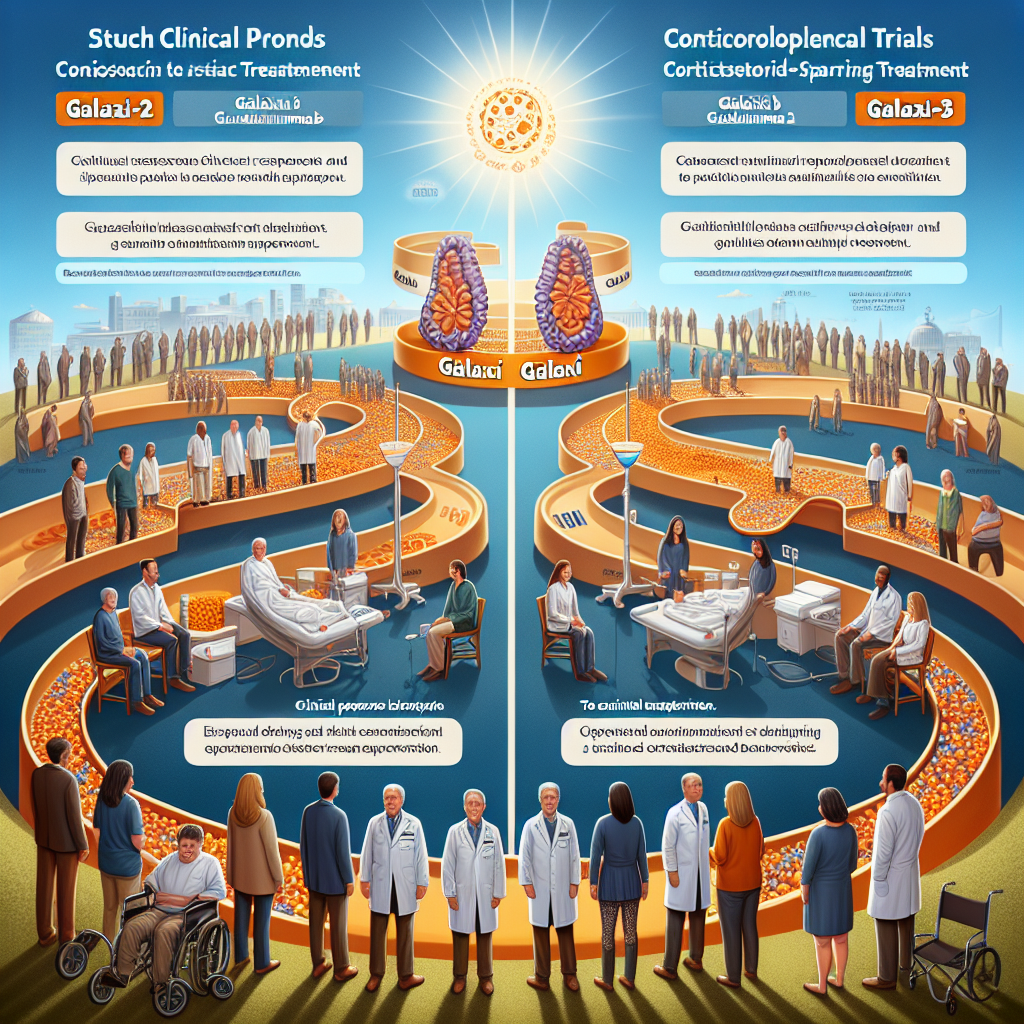
The GALAXI clinical trials are making waves in the Crohn’s community, and for good reason. These aren’t just another set of studies—they represent a new approach to finding treatments that work for real people living real lives with this challenging disease.
Summary of Managed Healthcare Executive
The GALAXI-2 and GALAXI-3 clinical trials are groundbreaking studies testing guselkumab, a targeted biologic therapy, against ustekinumab (a current standard treatment) for adults with moderate to severe Crohn’s disease. What makes these trials special is their inclusive approach—they included both people who had never tried biologics and those who had tried multiple treatments without success.
The studies demanded high standards for success: patients needed to show both symptom improvement and actual healing of intestinal inflammation, measured at 12 weeks and 48 weeks. In GALAXI-2, 55% and 49% of patients (depending on dosing) achieved clinical remission at 48 weeks with guselkumab, compared to only 12% with placebo. GALAXI-3 confirmed these results. Importantly, guselkumab also helped patients reduce their dependence on corticosteroids, which carry significant long-term side effects.
This post summarizes reporting from Managed Healthcare Executive. Our analysis represents IBD Movement’s perspective and is intended to help patients understand how this news may affect them. Read the original article for complete details.
What This Means for the IBD Community
Let’s talk about what these results really mean for your day-to-day life with Crohn’s. First, the fact that researchers are demanding both symptom relief AND intestinal healing is huge. For too long, we’ve accepted treatments that might make you feel a bit better but don’t address the underlying inflammation that’s still damaging your intestines. These trials signal a shift toward treatments that aim for true, deep healing—not just masking symptoms.
The inclusion of people who had failed previous biologics is particularly meaningful. If you’re someone who has tried multiple treatments without lasting success, you know the frustration of feeling like you’re running out of options. These trials specifically included people like you, which means the results are more likely to apply to your situation.
Here’s what’s especially encouraging: the corticosteroid-sparing effects. If you’ve been on prednisone or other steroids, you know the love-hate relationship they represent. They can provide relief, but the long-term effects—weight gain, bone loss, increased infection risk, mood changes—can be devastating. A treatment that helps you get off steroids while maintaining or improving your Crohn’s control could dramatically improve your quality of life.
The IL-23p19 pathway that guselkumab targets represents a more precise approach to treating inflammation. Instead of broadly suppressing your immune system, this therapy targets specific inflammatory signals involved in Crohn’s disease. This precision could mean fewer side effects and better long-term outcomes.
Questions to Discuss with Your Healthcare Team
These results raise important questions you might want to explore with your doctor. If you’re currently on ustekinumab and not achieving the remission you’re hoping for, this research suggests guselkumab might be worth considering. If you’re struggling with steroid dependence, ask about whether targeting the IL-23 pathway could help you break that cycle.
For those who have experienced treatment failure with other biologics, this research offers hope that there are still effective options to explore. The key is having an open conversation about your treatment goals—are you aiming for just symptom management, or are you hoping for the deeper healing these trials measured?
It’s also worth discussing the timeline of treatment. The fact that benefits were measured and sustained over 48 weeks is significant. This isn’t about quick fixes; it’s about finding treatments that can give you sustained relief and healing over time.
The Bigger Picture for IBD Research
These trials represent a broader evolution in how we think about IBD treatment success. The research community is moving beyond the old model of “good enough” symptom control toward a more ambitious goal of mucosal healing and long-term remission. This shift matters because it means researchers and pharmaceutical companies are finally setting their sights on the outcomes that matter most to patients: not just feeling better temporarily, but achieving lasting health.
The fact that two independent trials showed consistent results also strengthens confidence in these findings. In the world of clinical research, replication is gold standard. When you see the same positive results across multiple studies, it suggests the benefits are real and reliable.
We’re also seeing a trend toward more inclusive trial design. By including people with different treatment histories, these studies better reflect the real-world IBD community—people at different stages of their journey, with different levels of treatment experience, and different degrees of disease severity.
For patients and families, these developments signal that the research community is listening to what matters most to you. The focus on both clinical improvement and endoscopic healing recognizes that true treatment success means more than just checking boxes on symptom questionnaires—it means achieving real, measurable healing that can be seen and documented.
While guselkumab isn’t available yet for Crohn’s disease, these trial results suggest it may become an important option in the future. The path from clinical trials to FDA approval and insurance coverage can be long, but these strong results are an encouraging sign that we’re moving in the right direction.
The research landscape for Crohn’s disease has never been more promising. We’re seeing more targeted therapies, more ambitious treatment goals, and more inclusive research that reflects the diversity of the IBD community. Each breakthrough builds on the last, creating momentum toward better outcomes for everyone affected by this disease.
These GALAXI trials remind us that progress in IBD treatment is not just about finding new drugs—it’s about fundamentally changing what we consider acceptable outcomes. The goal is no longer just managing Crohn’s disease; it’s achieving the kind of deep, lasting remission that allows people to reclaim their lives and plan for the future with confidence.
For now, the most important step is staying engaged with your healthcare team and remaining open to new possibilities. The landscape of IBD treatment continues to evolve rapidly, and what wasn’t possible a few years ago may soon become standard care. These trials represent hope backed by solid science—and that’s the kind of hope worth holding onto.
IBD Movement provides information for educational purposes only. This content is not intended to be a substitute for professional medical advice, diagnosis, or treatment. Always seek the advice of your physician or other qualified health provider with any questions you may have regarding a medical condition.
Related Posts

New Research Links Certain Occupations to Higher IBD Risk: What This Means for Your Career and Health
February 28, 2026
Eli Lilly’s Omvoh Shows Promise for Crohn’s Disease: What This Breakthrough Could Mean for Your Treatment Journey
February 27, 2026
Could Your Cholesterol Medication Help Your IBD? New Research Reveals Surprising Connection
February 27, 2026