Could Natural Compounds Hold the Key to IBD Healing?
If you’ve been living with IBD for any length of time, you know the feeling—standing in your kitchen, staring at your options, wondering if today’s lunch will be your friend or your enemy. It’s exhausting to calculate every meal, to weigh the benefits of medication against their side effects, and to search for that elusive balance between managing symptoms and truly thriving. What if I told you that researchers are discovering powerful healing compounds hiding in plain sight—not in a pharmacy, but in foods we can actually eat?
The concept isn’t entirely new to our community. Many of us have already sensed the profound connection between what we put in our bodies and how our guts respond. We’ve experimented with elimination diets, tracked our triggers, and noticed how certain foods seem to calm the storm while others fan the flames. Now, science is catching up to what we’ve long suspected: the path to healing might not be found in a single pill, but in understanding and nurturing the complex ecosystem within us.
Summary of the original source
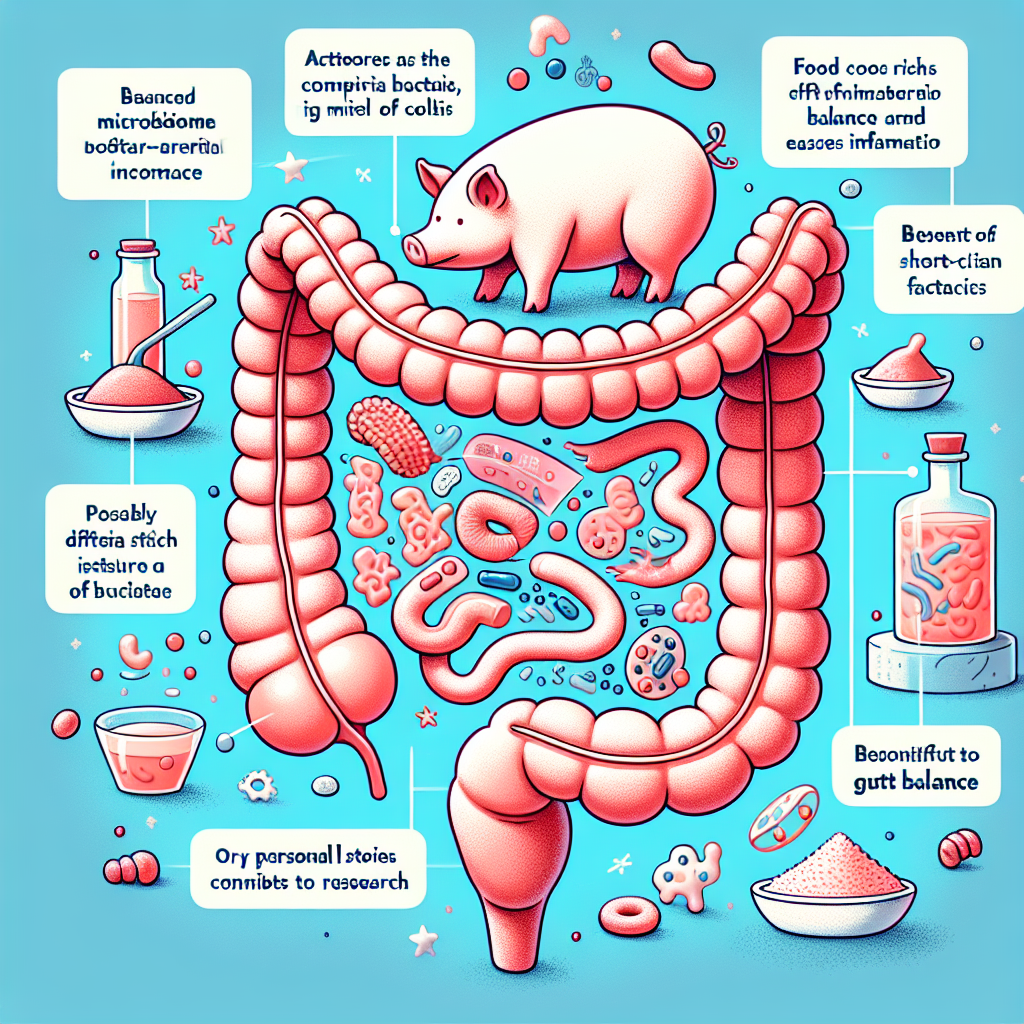
Recent research has identified isobutyrate, a naturally occurring compound found in certain foods, as a potential game-changer for IBD management. This substance appears to work by restoring balance to the gut microbiome—the community of bacteria and other microorganisms living in our digestive system. Unlike traditional medications that often focus on suppressing immune responses, isobutyrate seems to address inflammation at its root by promoting healthy gut bacteria and supporting the intestinal barrier.
The study suggests that this food-derived compound could offer a gentler approach to managing IBD symptoms while supporting overall gut health. Researchers found that isobutyrate helps reduce inflammatory markers and promotes healing in the intestinal lining, potentially offering relief for people with both Crohn’s disease and ulcerative colitis.
This post summarizes reporting from the original source. Our analysis represents IBD Movement’s perspective and is intended to help patients understand how this news may affect them. Read the original article for complete details.
What This Means for the IBD Community
This research represents something many of us have been hoping for: validation that our instincts about food and healing aren’t just wishful thinking. For years, people in our community have shared stories about how dietary changes helped them find relief when medications alone weren’t enough. Some discovered that bone broth seemed to soothe their symptoms, others found success with fermented foods, and many noticed improvements when they focused on feeding their beneficial gut bacteria.
What’s particularly exciting about isobutyrate is that it represents a fundamentally different approach to IBD management. Instead of solely focusing on suppressing our immune system’s inflammatory response—which, while necessary, can leave us vulnerable to infections and other complications—this compound appears to work with our body’s natural healing mechanisms. It’s like the difference between constantly bailing water out of a leaky boat versus actually patching the holes.
From a practical standpoint, this research opens up new conversations we can have with our healthcare teams. If you’re someone who’s been interested in exploring complementary approaches alongside your medical treatment, studies like this provide a scientific foundation for those discussions. You might ask your doctor about foods rich in compounds that support beneficial gut bacteria, or whether there are ways to measure your microbiome health as part of your regular monitoring.
This also speaks to something many of us have experienced but haven’t always known how to articulate: the feeling that our bodies want to heal, if we can just figure out how to support them properly. The concept of working with our gut bacteria rather than against them aligns with what many people discover through trial and error—that healing often involves nurturing rather than just restricting.
For caregivers and family members trying to support loved ones with IBD, this research offers hope and direction. Instead of feeling helpless while watching someone struggle with unpredictable symptoms, there may be concrete ways to contribute to healing through thoughtful food choices and microbiome support. It transforms the kitchen from a battlefield into a potential pharmacy.
One important consideration is how this fits into the broader landscape of IBD research. We’re living through an exciting time where scientists are recognizing the gut microbiome as a key player in not just digestive health, but overall wellness. This research on isobutyrate is part of a larger movement toward personalized medicine—understanding that each person’s microbiome is unique and may require individualized approaches to achieve optimal balance.
However, it’s crucial to approach this news with both excitement and realism. While the research is promising, we’re still in the early stages of understanding how to translate these findings into practical treatments. The jump from laboratory studies to real-world applications often takes time, and what works in controlled research settings may need refinement when applied to the complex realities of daily life with IBD.
That said, this research validates an approach many people in our community are already exploring: paying attention to how different foods affect their symptoms and working to support their gut health through dietary choices. It suggests that these efforts aren’t just comfort measures—they may actually be addressing the underlying mechanisms of IBD.
Questions worth discussing with your healthcare team might include: How can you assess the health of your current gut microbiome? Are there specific foods rich in beneficial compounds like isobutyrate that might complement your current treatment plan? How can you safely experiment with microbiome-supporting foods while monitoring for any changes in your symptoms?
Looking Forward: A New Chapter in IBD Care
What’s particularly hopeful about this research is that it doesn’t require us to choose between conventional medicine and natural approaches—it suggests they can work together. This isn’t about abandoning proven treatments, but about potentially enhancing them with approaches that support our body’s own healing mechanisms.
The future of IBD care may well lie in this kind of integrative thinking: combining the life-saving interventions we already have with a deeper understanding of how to nurture our internal ecosystem. For those of us who have felt frustrated by the limitations of a purely pharmaceutical approach, or overwhelmed by the side effects of powerful medications, this research offers a different kind of hope—the possibility that healing can be gentler, more holistic, and more aligned with our body’s natural wisdom.
This represents hope for a future where managing IBD isn’t just about controlling symptoms, but about truly thriving. Where the answer to “what should I eat today?” isn’t filled with anxiety, but with the confidence that we’re nourishing not just our bodies, but the beneficial bacteria that help keep us healthy. It’s a future where our daily meals become acts of healing, and where the simple act of eating well becomes a powerful tool in our wellness toolkit.
IBD Movement provides information for educational purposes only. This content is not intended to be a substitute for professional medical advice, diagnosis, or treatment. Always seek the advice of your physician or other qualified health provider with any questions you may have regarding a medical condition.
Related Posts

New Research Links Certain Occupations to Higher IBD Risk: What This Means for Your Career and Health
February 28, 2026
Eli Lilly’s Omvoh Shows Promise for Crohn’s Disease: What This Breakthrough Could Mean for Your Treatment Journey
February 27, 2026
Could Your Cholesterol Medication Help Your IBD? New Research Reveals Surprising Connection
February 27, 2026