AI Breakthrough: New Targeted Antibiotic Offers Hope for IBD
If you live with IBD, you know the frustration of treatments that feel like they’re fighting your condition with one hand tied behind their back. Traditional antibiotics can feel like setting off a bomb in your gut—sure, they might kill the bad bacteria, but they take down all the good ones too, often leaving you with worse symptoms than when you started. It’s enough to make anyone wonder: why can’t we have treatments that actually understand what they’re fighting?
Well, that future might be closer than we think. A groundbreaking discovery is changing how we think about precision medicine for IBD, and for the first time in a long while, it feels like science is finally catching up to what our bodies actually need.
Summary of MIT News
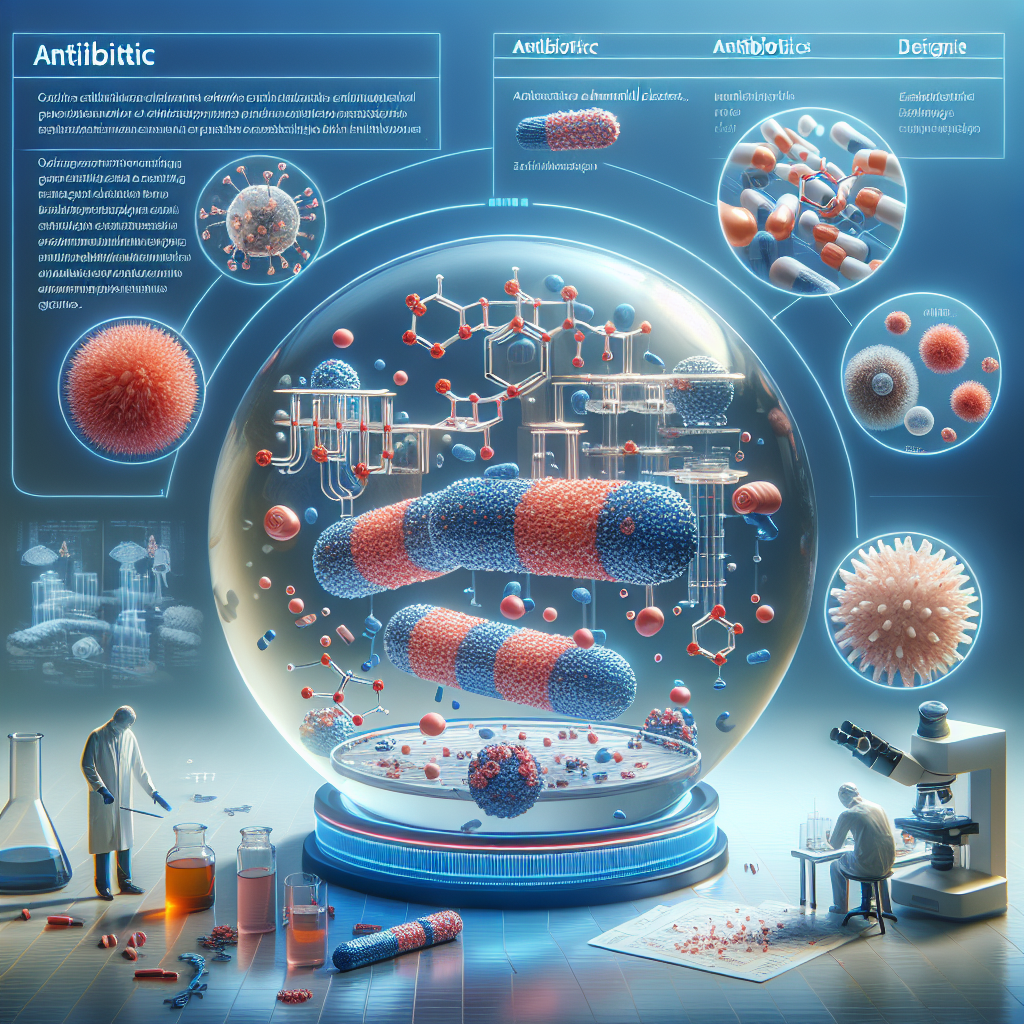
Researchers from MIT and McMaster University have achieved something remarkable using artificial intelligence: they’ve designed a new antibiotic called enterololin that specifically targets harmful bacteria linked to IBD flare-ups while leaving beneficial gut bacteria completely alone. This isn’t your typical broad-spectrum antibiotic that destroys everything in its path—it’s a precision tool designed to go after only the troublemakers.
What makes this discovery particularly exciting is the role AI played in the process. Instead of the traditional years-long drug development timeline, AI helped scientists understand exactly how enterololin works to disable dangerous bacteria before it even reached laboratory testing. This predictive approach could make new treatments both safer and more effective for patients.
The breakthrough represents more than just progress for IBD—it’s part of a larger shift toward using AI to develop antibiotics for drug-resistant infections that were previously considered untreatable. This suggests we’re moving from an era of medical guesswork toward true precision medicine.
This post summarizes reporting from MIT News. Our analysis represents IBD Movement’s perspective and is intended to help patients understand how this news may affect them. Read the original article for complete details.
What This Means for the IBD Community
Let’s be honest—when you’ve lived with IBD for years, you learn to temper your excitement about “breakthrough” discoveries. We’ve all read headlines about promising research that never quite makes it to our medicine cabinets. But this development feels different, and here’s why it matters so much to our community.
First, this research directly addresses one of the most frustrating aspects of current IBD treatment: the lack of precision. Anyone who’s been through antibiotic treatment for an IBD flare knows the drill. Your doctor prescribes a broad-spectrum antibiotic hoping it will help with bacterial overgrowth or infection, but often you end up with worse diarrhea, increased inflammation, or a new round of symptoms as your beneficial bacteria get wiped out along with the harmful ones. It’s like trying to remove weeds from a garden with a flamethrower—effective against the weeds, maybe, but devastating to everything else.
Enterololin represents a fundamentally different approach. Instead of carpet-bombing your microbiome, it acts more like a targeted strike, going after only the specific bacteria that contribute to IBD inflammation. For those of us who’ve spent years trying to rebuild our gut flora after antibiotic treatments, this precision could be life-changing.
The AI component of this discovery also signals something important for our community’s future. Traditionally, drug development for rare or complex conditions like IBD has been slow partly because the market is smaller than for more common diseases. But AI can dramatically reduce development time and costs, potentially making it economically viable to develop more targeted treatments for IBD subtypes and complications.
This could be particularly significant for those with complicated IBD cases—people who’ve developed antibiotic-resistant infections, those with recurrent C. diff infections, or individuals whose IBD doesn’t respond well to standard treatments. The same AI-driven approach that created enterololin could be used to develop antibiotics for the specific bacterial problems that plague our community.
From a practical standpoint, there are several questions worth discussing with your gastroenterologist as this research progresses:
- How might targeted antibiotics fit into your current treatment plan?
- If you have a history of antibiotic-associated flares, could precision antibiotics be a safer option for future bacterial complications?
- What does your current microbiome testing reveal about harmful bacteria that might benefit from targeted treatment?
- How might this development change the approach to treating IBD-related infections or SIBO (small intestinal bacterial overgrowth)?
It’s also worth considering how this fits into the broader trend toward personalized IBD medicine. We’re seeing advances in genetic testing to predict drug responses, microbiome analysis to guide treatment decisions, and now AI-designed antibiotics that can target specific bacterial problems. These developments suggest we’re moving toward a future where IBD treatment is tailored to your specific condition, genetics, and microbiome profile.
For caregivers and family members, this research offers hope that future IBD treatments might come with fewer side effects and complications. One of the hardest parts of supporting someone with IBD is watching them struggle with treatments that sometimes seem to cause as many problems as they solve. Precision antibiotics could mean fewer treatment-related setbacks and a clearer path forward during difficult flares.
The speed of this discovery—months instead of years—also suggests that we might see more rapid advances in IBD treatment options in the coming decade. As AI tools become more sophisticated and accessible to researchers, the pace of discovery in complex diseases like IBD could accelerate dramatically.
The Bigger Picture for IBD Research
This breakthrough sits at the intersection of several major trends in IBD research that are all pointing toward better outcomes for patients. The growing understanding of the microbiome’s role in IBD, advances in AI and machine learning, and the push toward precision medicine are all converging to create new possibilities for treatment.
What’s particularly encouraging is that this research addresses the microbiome component of IBD—something that many patients intuitively understand is crucial but that has been challenging to target therapeutically. Many of us have noticed that certain antibiotics trigger flares while others seem helpful, or that probiotics work wonderfully for some people but do nothing for others. Precision antibiotics could help us understand and leverage these individual differences in microbiome composition and response.
The research also validates what many IBD patients have long suspected: that not all bacteria are created equal, and that successful treatment might require distinguishing friend from foe in our gut ecosystems. This nuanced approach to the microbiome could inform not just antibiotic development but also probiotic research, dietary recommendations, and even fecal microbiota transplantation protocols.
While enterololin is still in early development and won’t be available to patients immediately, the proof of concept it represents could accelerate development of similar targeted therapies. The AI methods used to create it can be applied to other bacterial targets, potentially creating a whole new class of precision antibiotics for various IBD-related complications.
This development also highlights the importance of continued investment in IBD research and the potential for technological advances to transform treatment options more quickly than traditional drug development approaches. For a community that has often felt overlooked in medical research, seeing cutting-edge AI technology applied to our specific needs is both validating and hopeful.
The bottom line is this: while we’re still waiting for enterololin to complete clinical trials and potentially reach patients, this research represents exactly the kind of innovative thinking our community needs. It’s a reminder that breakthrough treatments for IBD are not just possible—they’re actively being developed by scientists who understand that our complex condition requires sophisticated solutions.
For those of us living with IBD every day, managing symptoms and hoping for better treatments, this news offers something precious: concrete evidence that the future of IBD care could be dramatically different from today. More targeted, more effective, and hopefully, much gentler on our already-challenged digestive systems.
IBD Movement provides information for educational purposes only. This content is not intended to be a substitute for professional medical advice, diagnosis, or treatment. Always seek the advice of your physician or other qualified health provider with any questions you may have regarding a medical condition.
Related Posts

New Research Links Certain Occupations to Higher IBD Risk: What This Means for Your Career and Health
February 28, 2026
Eli Lilly’s Omvoh Shows Promise for Crohn’s Disease: What This Breakthrough Could Mean for Your Treatment Journey
February 27, 2026
Could Your Cholesterol Medication Help Your IBD? New Research Reveals Surprising Connection
February 27, 2026