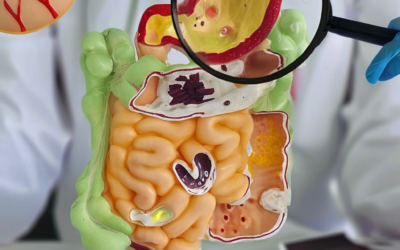
New Oral Crohn’s Therapy Shows Promise in Early Research

If you’ve lived with Crohn’s disease for any length of time, you know the frustrating reality of treatment roulette. We start a new medication with hope, maybe see some improvement, then watch it fade over months or years. Some of us cycle through medication after medication, always wondering if the next one will be “the one.” It’s exhausting—not just physically, but emotionally.
For those of us who’ve watched treatments fail or become less effective over time, any news about truly innovative approaches deserves our attention. Today, I want to share some promising research that takes a completely different approach to treating Crohn’s disease.
Summary of here
Scientists at Trethera Corporation have developed an oral medication called TRE-515 that takes a targeted approach to treating Crohn’s disease. Unlike current treatments that suppress the entire immune system, this new therapy specifically targets only the immune cells causing inflammation while leaving the rest of the immune system intact.
The National Institutes of Health has awarded Trethera a $1.8 million grant to advance this research, calling the approach “highly innovative.” In laboratory studies, TRE-515 has shown effectiveness that outperformed existing leading treatments. The medication is designed to be taken as a pill, which could offer significant convenience advantages over current injection-based therapies.
Current statistics show that up to one-third of Crohn’s patients don’t respond well to existing treatments, and nearly half lose their response to medications within five years—highlighting the urgent need for new therapeutic approaches.
This post summarizes reporting from here. Our analysis represents IBD Movement’s perspective and is intended to help patients understand how this news may affect them. Read the original article for complete details.
What This Means for the IBD Community
When I read about TRE-515’s targeted approach, I immediately thought about all the conversations I’ve had with community members about side effects. So many of us have experienced the double-edged sword of immunosuppressive medications—they might help our Crohn’s, but they also leave us vulnerable to infections, slow wound healing, and other complications because they suppress our entire immune system.
The concept of selectively targeting only the problematic immune cells while preserving the rest of our immune function could be revolutionary. Think about what this might mean: potentially fewer infections, less worry about being around sick family members, and maybe even the ability to get vaccines again without concern. For parents with Crohn’s, this could mean less anxiety about picking up every bug our kids bring home from school.
The oral delivery method is another significant advantage that shouldn’t be overlooked. If you’ve ever struggled with injection anxiety, insurance battles over specialty pharmacy shipments, or the logistics of traveling with injectable medications, you understand why a simple pill would be life-changing. No more coordinating with specialty pharmacies, no more worrying about medications spoiling during travel, and no more injection site reactions.
However, we need to temper our excitement with realism. This research is still in early stages, and laboratory success doesn’t always translate to real-world effectiveness. The drug development process typically takes many years and multiple phases of clinical trials before reaching patients.
Questions to Consider Discussing with Your Healthcare Team
While TRE-515 won’t be available anytime soon, this news opens up important conversations you might want to have with your gastroenterologist:
- How satisfied are you with your current treatment response, and what would “success” look like for your specific situation?
- If your current medication is working well, what signs should you watch for that might indicate it’s becoming less effective?
- What clinical trials might be available in your area for patients who aren’t responding well to current treatments?
- How does your doctor stay informed about emerging therapies, and would they consider referring you for experimental treatments if appropriate?
The Bigger Picture in Crohn’s Research
TRE-515 represents a broader shift in how researchers are thinking about autoimmune diseases. Instead of using a sledgehammer approach to suppress the entire immune system, we’re moving toward precision medicine—therapies that target specific pathways or cell types involved in disease.
This trend is exciting because it suggests that the days of “try this and see what happens” treatment approaches may be numbered. Future Crohn’s care might involve detailed immune system profiling to determine exactly which pathways are overactive in each individual patient, followed by targeted therapies designed specifically for their disease pattern.
The NIH’s willingness to fund this research with $1.8 million also signals confidence in the scientific approach. Government funding agencies are notoriously careful with their money, so this investment suggests that independent experts believe this research has genuine merit.
Managing Expectations While Maintaining Hope
It’s natural to feel excited about promising research, especially when current treatments aren’t providing the relief we need. However, it’s important to remember that even if TRE-515 proves successful in human trials, it will likely be several years before it becomes available to patients.
In the meantime, don’t let hope for future treatments prevent you from optimizing your current care. If your current medications aren’t working well, talk to your doctor about other approved options. Sometimes a different biologic, a combination approach, or even adjustments to your current regimen can provide better results.
The landscape of Crohn’s treatment has improved dramatically over the past two decades, and research like TRE-515 suggests even more significant improvements are on the horizon. Each advancement builds on the previous ones, creating a cumulative effect that benefits our entire community.
While we wait for the next breakthrough, remember that managing Crohn’s successfully involves more than just medication. Stress management, adequate sleep, appropriate nutrition, and strong relationships with your healthcare team all play crucial roles in achieving the best possible outcomes with whatever treatments are currently available.
This research offers genuine reason for optimism about the future of Crohn’s treatment. The combination of targeted therapy, oral delivery, and strong early results suggests we may be moving toward truly transformative treatments that address the root causes of our disease rather than just managing symptoms.
IBD Movement provides information for educational purposes only. This content is not intended to be a substitute for professional medical advice, diagnosis, or treatment. Always seek the advice of your physician or other qualified health provider with any questions you may have regarding a medical condition.
Related Posts

New Research Links Certain Occupations to Higher IBD Risk: What This Means for Your Career and Health
February 28, 2026
Eli Lilly’s Omvoh Shows Promise for Crohn’s Disease: What This Breakthrough Could Mean for Your Treatment Journey
February 27, 2026
Could Your Cholesterol Medication Help Your IBD? New Research Reveals Surprising Connection
February 27, 2026