Breakthrough IBD Therapies Bringing Real Hope in 2025
Living with IBD means your body becomes the boss of your calendar. Some mornings, you wake up feeling strong and capable, ready to tackle the day ahead. Other mornings, that familiar ache whispers warnings about what the next few hours might hold. For so many of us, it’s felt like we’re always playing defense—managing symptoms rather than truly healing. But something is shifting in the IBD landscape, and for the first time in years, many of us are daring to hope for more than just getting by.
The weight of carrying this invisible condition touches every corner of life. From scanning restaurant menus with the precision of a detective to the mental calculations we make before every social commitment, IBD doesn’t just affect our bodies—it shapes how we move through the world. Yet recent developments in IBD care are beginning to change that narrative in profound ways.
Summary of Enhancing Inflammatory Bowel Disease Care
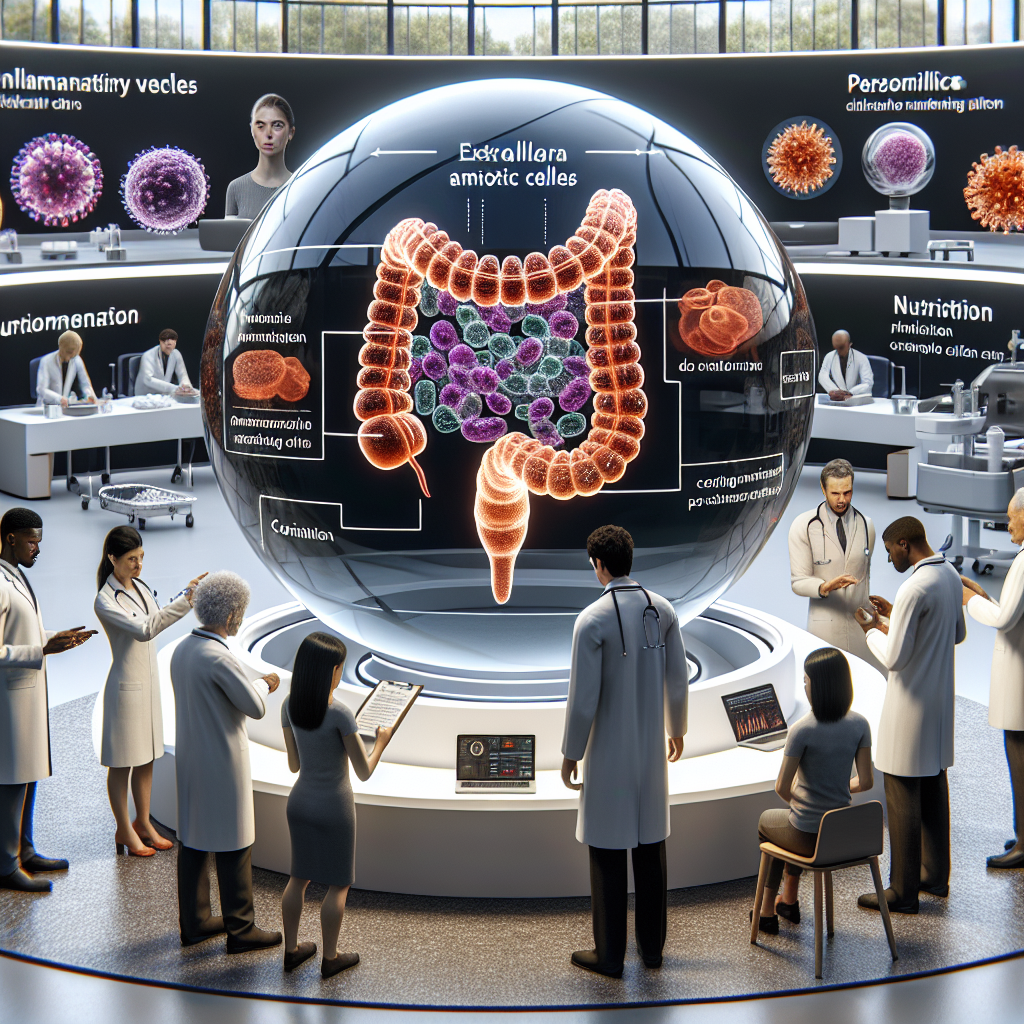
New research is revealing exciting advances in IBD treatment that go far beyond traditional approaches. Scientists are exploring innovative therapies using extracellular vesicles—tiny cellular messengers that could help heal even the most challenging complications like fistulising perianal Crohn’s disease, which has historically been extremely difficult to treat effectively.
Perhaps even more promising is the emergence of artificial intelligence in IBD care. AI-driven precision medicine is beginning to personalize treatment in ways we’ve never seen before, potentially matching patients with the therapies most likely to work for their specific condition and genetic makeup. This technology could help doctors predict which treatments will be most effective while minimizing the trial-and-error approach that many IBD patients know all too well.
These advances represent a fundamental shift from the one-size-fits-all treatment model to truly personalized care that considers the unique characteristics of each patient’s disease and biology.
This post summarizes reporting from Enhancing Inflammatory Bowel Disease Care. Our analysis represents IBD Movement’s perspective and is intended to help patients understand how this news may affect them. Read the original article for complete details.
What This Means for the IBD Community
For those of us who have navigated the IBD journey, these developments feel monumental. The mention of extracellular vesicle therapy addressing fistulising perianal Crohn’s disease is particularly significant. Anyone who has faced perianal complications knows the profound impact they have on quality of life—they’re not just medically challenging; they’re emotionally and socially isolating. The possibility of a therapy that could effectively heal these complications represents hope for some of the most underserved patients in our community.
The AI-driven precision medicine approach could fundamentally change how we experience treatment. Instead of the frustrating cycle of trying medication after medication, hoping something works while enduring side effects, imagine walking into your doctor’s office knowing that your treatment plan was designed specifically for your body’s unique response patterns. This could mean fewer failed treatments, less time in flares, and more confidence in your care plan.
From a practical standpoint, these advances could translate into several meaningful changes in daily life with IBD:
- Reduced Treatment Uncertainty: AI algorithms could help predict treatment success rates, giving patients and doctors more confidence in treatment decisions
- Fewer Side Effects: Personalized medicine approaches could identify patients who are more likely to experience specific side effects, allowing for proactive management
- Improved Quality of Life: More effective treatments for complex complications could help patients return to activities they’ve had to avoid
- Better Long-term Outcomes: Precision approaches could help prevent disease progression and complications before they occur
These developments also highlight an important truth about IBD care: while breakthrough medications are crucial, they work best when combined with comprehensive lifestyle management. The integration of advanced therapies with personalized nutrition plans, stress management techniques, and regular monitoring creates a more holistic approach to IBD care.
For caregivers and family members, these advances offer their own form of relief. Watching someone you love struggle with IBD can feel helpless at times. The prospect of more effective, targeted treatments means families can have greater confidence in the medical support their loved ones are receiving.
Questions to Discuss with Your Healthcare Team
These emerging treatments raise important questions worth exploring with your IBD specialist:
- How might genetic testing or biomarker analysis inform my current treatment plan?
- Are there clinical trials for precision medicine approaches that might be appropriate for my situation?
- How could AI-driven tools help optimize my current medications?
- What newer treatment options might be worth considering if my current plan isn’t providing optimal results?
It’s important to remember that many of these advances are still in development or early implementation phases. However, the trajectory is clear: IBD care is moving toward more personalized, effective approaches that consider each patient as an individual rather than a collection of symptoms.
This shift also represents a broader evolution in how we think about chronic disease management. Rather than simply controlling symptoms, the goal is increasingly to understand the underlying mechanisms driving each person’s disease and address those root causes with precision.
For those dealing with treatment-resistant IBD or complex complications, these developments offer particular reason for optimism. The focus on previously difficult-to-treat conditions like perianal Crohn’s disease suggests that researchers are committed to finding solutions for every member of our community, not just those with more straightforward presentations.
The integration of technology into IBD care also opens possibilities for better patient monitoring and support between appointments. AI tools could potentially help patients track symptoms more effectively, predict flares before they become severe, and communicate more precisely with their healthcare teams about their experiences.
While we celebrate these advances, it’s also worth acknowledging that access and affordability will be crucial factors in determining how broadly these benefits reach our community. Advocating for insurance coverage of innovative therapies and ensuring equitable access to precision medicine tools will be ongoing challenges that require continued attention from patients, providers, and policymakers.
The promise of these breakthroughs extends beyond individual treatment outcomes to the broader IBD experience. More effective treatments could mean fewer hospitalizations, reduced need for surgery, and greater predictability in daily life. They could help normalize the IBD experience, making it easier for patients to pursue careers, relationships, and activities without the constant shadow of disease uncertainty.
These developments represent years of dedicated research, clinical trials, and the participation of countless IBD patients who volunteered for studies. Their contributions are now bearing fruit in ways that could transform the entire landscape of IBD care. This collaborative effort between researchers, clinicians, and patients demonstrates what’s possible when the entire community works toward common goals.
The timing of these advances feels particularly meaningful. After years of incremental improvements, we’re seeing the potential for paradigm shifts that could redefine what it means to live well with IBD. The combination of precision medicine, advanced therapeutics, and improved understanding of disease mechanisms creates unprecedented opportunities for better outcomes.
Perhaps most importantly, these developments validate what many in our community have long believed: that IBD is complex enough to require sophisticated solutions, and that each patient’s journey is unique enough to deserve personalized care. The medical community is finally catching up to what patients have known all along—that effective IBD treatment must be as individual as the people living with the condition.
The research pipeline continues to expand, with numerous other promising approaches in development. From microbiome-based therapies to novel anti-inflammatory compounds, the next few years could bring even more options for personalized IBD care. This sustained momentum in IBD research reflects growing recognition of the unmet needs in our community and the potential for innovative solutions to address them.
As these treatments move from research settings into clinical practice, patient education and advocacy will be crucial. Understanding these new options, knowing how to access them, and working effectively with healthcare teams to incorporate them into treatment plans will require ongoing effort from the entire IBD community.
The emotional impact of having more effective treatment options available cannot be overstated. For patients who have struggled with treatment-resistant disease, the knowledge that sophisticated new approaches are being developed provides psychological benefits beyond the physical effects of the treatments themselves. Hope, as it turns out, is its own form of medicine.
The ripple effects of improved IBD treatments extend far beyond the medical office. Better disease control could mean more consistent work performance, deeper personal relationships, and the ability to pursue long-term goals without the constant concern about disease management. These quality-of-life improvements touch every aspect of the IBD experience.
Looking ahead, the integration of these advanced approaches with traditional IBD management strategies promises a more comprehensive and effective approach to care. Rather than replacing current treatments, these innovations enhance and optimize existing therapeutic options, creating more robust and personalized treatment plans.
For young people newly diagnosed with IBD, these developments offer a dramatically different outlook than previous generations faced. The prospect of growing up with access to precision medicine and advanced therapeutics could fundamentally alter the IBD journey for future patients, making effective management more achievable from the very beginning.
These advances also highlight the importance of staying engaged with your healthcare team and remaining open to evolving treatment approaches. As new options become available, regular discussions about optimizing your treatment plan become even more valuable.
The collaborative nature of these breakthroughs—involving gastroenterologists, researchers, technology companies, and patient advocates—demonstrates the power of comprehensive approaches to healthcare innovation. When all stakeholders work together toward common goals, breakthrough solutions become possible.
While we celebrate these promising developments, it’s also important to maintain realistic expectations about timelines and accessibility. Bringing new treatments from research laboratories to widespread clinical use takes time, and ensuring equitable access requires ongoing advocacy and policy work.
The momentum behind these innovations suggests that the next decade could bring unprecedented changes to IBD care. For a community that has often felt overlooked or underserved, this sustained focus on developing better treatment options represents a meaningful shift in priorities within the broader medical community.
Most significantly, these developments remind us that the IBD journey, while challenging, is not static. Science continues to advance, understanding deepens, and new possibilities emerge. For everyone living with IBD, these innovations represent renewed reasons for optimism about the future of our care and our quality of life.
The path forward involves continued research, patient participation in clinical studies, advocacy for access and affordability, and maintaining strong partnerships between patients and healthcare providers. By working together, we can ensure that these promising developments translate into real improvements in the daily lives of everyone affected by IBD.
For the millions of people worldwide living with IBD, these breakthroughs offer something precious: the prospect that our best days with this condition may still be ahead of us. That’s a future worth working toward, and a hope worth holding onto as we continue this journey together.
These emerging therapies remind us that we’re not just managing a chronic condition—we’re participating in a revolution in personalized medicine that could transform not just IBD care, but our entire approach to treating complex chronic diseases. The innovations happening in IBD research today could pave the way for similar advances across numerous other conditions, making our community pioneers in the future of healthcare.
The integration of advanced technology with compassionate, patient-centered care represents the best of both worlds: cutting-edge science applied with deep understanding of the human experience of living with IBD. This combination offers the most promising path forward for meaningful improvements in treatment outcomes and quality of life.
As these new approaches become available, maintaining strong communication with healthcare teams becomes even more important. The complexity of precision medicine requires collaborative relationships between patients and providers, with shared decision-making and ongoing monitoring being crucial components of successful treatment.
The development of these breakthrough therapies also underscores the vital importance of continued research funding and support for IBD studies. Every clinical trial, every research grant, and every patient who participates in studies contributes to the growing body of knowledge that makes these advances possible.
Perhaps most meaningfully, these innovations represent validation for everyone who has persevered through difficult times with IBD. The investment in developing better treatments acknowledges the real impact this condition has on people’s lives and demonstrates a commitment to finding solutions that truly make a difference.
The future of IBD care is being written now, with these breakthrough approaches forming the foundation for what could be a golden age of treatment options. For a community that has waited long for these kinds of advances, the timing couldn’t be more welcome or more needed.
While the journey with IBD continues to have its challenges, these developments provide solid reasons for optimism about what lies ahead. The combination of scientific innovation, technological advancement, and deep understanding of patient needs creates unprecedented opportunities for better outcomes and improved quality of life.
Looking toward 2025 and beyond, the IBD community has every reason to feel hopeful about the direction of treatment development. The momentum behind these innovations, combined with growing awareness and advocacy, suggests that the best chapters of the IBD story are yet to be written.
These breakthrough therapies represent more than medical advances—they represent renewed possibility for everyone touched by IBD. From patients to caregivers to healthcare providers, these developments offer fresh hope for a future where IBD is not just managed, but truly mastered through precision, personalization, and innovative care.
As we stand on the threshold of these exciting developments, the IBD community has never had more reason to believe that transformative change is not just possible, but imminent. The convergence of advanced science, compassionate care, and patient advocacy creates the perfect conditions for the kind of breakthrough moments that change everything.
The road ahead is bright with possibility, powered by the dedication of researchers, the courage of patients participating in trials, and the unwavering commitment to finding better ways to live well with IBD. Together, we’re not just witnessing medical history—we’re actively participating in creating a better future for everyone affected by these conditions.
These innovations remind us that every challenge we’ve faced with IBD has contributed to the growing understanding that makes these breakthroughs possible. Our experiences, our participation in research, and our advocacy efforts have all played a role in bringing us to this moment of unprecedented opportunity.
The transformation of IBD care through precision medicine and advanced therapeutics represents hope realized through science, compassion applied through technology, and the promise that our most difficult days with IBD may soon be behind us rather than ahead of us.
The Bottom Line
The landscape of IBD treatment is shifting in ways that seemed impossible just a few years ago. From AI-powered precision medicine that could eliminate much of the guesswork in treatment selection to breakthrough therapies for the most challenging complications, we’re witnessing the dawn of a new era in IBD care. These aren’t distant possibilities—they’re emerging realities that could fundamentally change what it means to live with inflammatory bowel disease.
While we maintain realistic expectations about timelines and access, there’s genuine reason for optimism about the direction of IBD research and treatment development. For everyone in our community who has waited, hoped, and persevered through the challenges of living with IBD, these advances represent validation that better days are indeed possible. The future of IBD care looks brighter than ever, and we’re all part of making that future a reality.
IBD Movement provides information for educational purposes only. This content is not intended to be a substitute for professional medical advice, diagnosis, or treatment. Always seek the advice of your physician or other qualified health provider with any questions you may have regarding a medical condition.
Related Posts

New Research Links Certain Occupations to Higher IBD Risk: What This Means for Your Career and Health
February 28, 2026
Eli Lilly’s Omvoh Shows Promise for Crohn’s Disease: What This Breakthrough Could Mean for Your Treatment Journey
February 27, 2026
Could Your Cholesterol Medication Help Your IBD? New Research Reveals Surprising Connection
February 27, 2026