Penn State Breakthrough Could Transform IBD Treatment Forever
If you’re living with Crohn’s disease or ulcerative colitis, you know the frustration of treatments that feel like they’re constantly playing catch-up with your symptoms. Just when you think you’ve found your rhythm, a flare reminds you that you’re managing, not conquering, your condition. But what if the future held something different? What if instead of just controlling inflammation, we could actually address what triggers it in the first place?
That future might be closer than we think, thanks to groundbreaking research happening right now at Penn State University. Scientists there are diving deep into the complex world of our gut bacteria to understand not just what goes wrong in IBD, but how we might fix it at its source.
Summary of Original Article
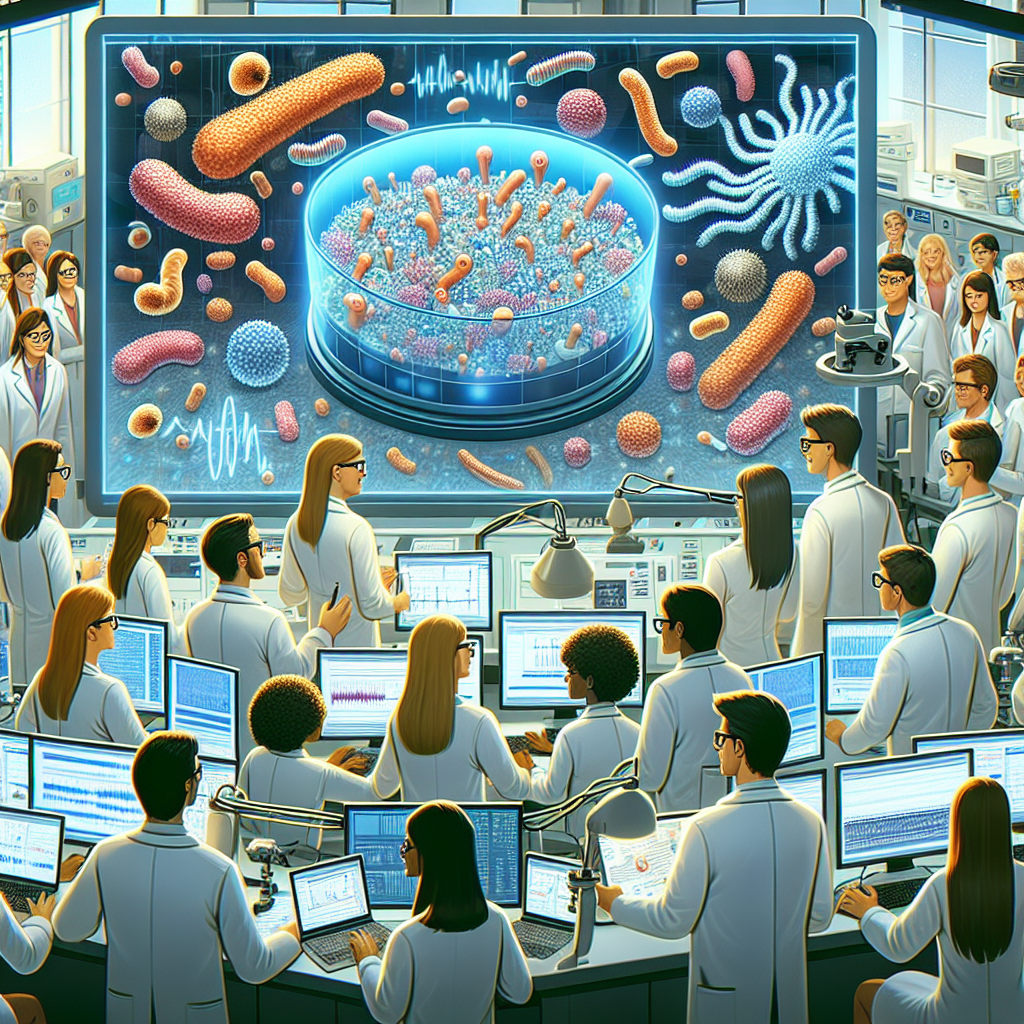
Dr. Melissa Rolls and her research team at Penn State are studying how the trillions of bacteria living in our digestive tract—collectively called the gut microbiome—influence the development and progression of inflammatory bowel diseases. Their research focuses on understanding how environmental changes inside the gut, such as oxygen levels and available nutrients, can alter bacterial communities in ways that either fuel inflammation or help restore balance.
The Penn State team is using advanced genetic and molecular biology tools to observe bacterial communities in real-time, tracking how they change and identifying which shifts are most closely linked to disease flare-ups or periods of remission. This detailed mapping of bacterial interactions could lead to revolutionary new treatments, including personalized probiotics tailored to individual patients’ microbiomes, targeted dietary strategies, and medications that specifically address the bacteria driving inflammation rather than just suppressing immune responses.
The researchers envision a future where doctors can offer precise, individualized therapies that restore health by targeting the root cause of IBD rather than simply managing symptoms.
This post summarizes reporting from Original Article. Our analysis represents IBD Movement’s perspective and is intended to help patients understand how this news may affect them. Read the original article for complete details.
What This Means for the IBD Community
This research represents a fundamental shift in how we think about treating IBD, and the implications for our community are profound. For too long, we’ve been in a reactive cycle—waiting for flares to happen, then trying to calm them down with anti-inflammatory medications or immunosuppressants. Dr. Rolls’ work suggests we might be able to break that cycle entirely.
Think about your current treatment approach. Whether you’re on biologics, steroids, or other medications, they’re all designed to manage your immune system’s response to inflammation. But what if we could prevent that inflammation from starting in the first place by maintaining a healthy bacterial balance in your gut? This research is exploring exactly that possibility.
The concept of personalized probiotics is particularly exciting. Right now, if you walk into a pharmacy, you’ll find dozens of probiotic supplements, but they’re all one-size-fits-all solutions. Dr. Rolls’ research suggests that each person’s gut microbiome is unique, like a fingerprint. This means the bacteria that help your neighbor might not be the same ones that help you. Imagine getting a probiotic prescription that’s been specifically designed based on your individual bacterial profile—that’s the kind of precision medicine this research is moving toward.
For caregivers and family members, this research offers something we’ve all been craving: hope for a future where IBD doesn’t define daily life. Instead of constantly worrying about the next flare or planning activities around bathroom locations, families might be able to focus on living fully again.
The dietary implications are equally fascinating. We know that diet plays a role in IBD, but the connection between specific foods and symptoms often feels like a mystery. Some patients thrive on elimination diets, others find little benefit. Dr. Rolls’ research into how gut bacteria compete for different nutrients could explain why dietary responses vary so dramatically between patients. This understanding could lead to truly personalized nutrition plans—not generic IBD diets, but eating strategies designed specifically for your unique bacterial ecosystem.
From a practical standpoint, this research also addresses one of the biggest challenges in IBD care: the unpredictability of the disease. How many times have you wondered why you flared when everything seemed stable? Or why a treatment that worked for months suddenly stopped being effective? Understanding the dynamic relationships between different bacterial communities could finally provide answers to these questions that have puzzled both patients and doctors for decades.
The focus on bacterial cooperation and competition is particularly intriguing because it mirrors what many of us experience with IBD—periods of relative peace disrupted by sudden conflicts. Just as our symptoms can shift based on stress, diet, sleep, or other factors, the bacterial communities in our gut are constantly adapting to changing conditions. By understanding these microbial relationships better, researchers might be able to predict and prevent the bacterial shifts that trigger flares.
This research also validates what many patients have long suspected—that IBD is more complex than a simple immune system malfunction. The interplay between genetics, environment, diet, stress, and now bacterial communities creates a web of factors that influence disease progression. While this complexity has made IBD challenging to treat, it also offers multiple potential targets for intervention.
For those currently struggling with treatment-resistant IBD or dealing with side effects from current medications, this research offers hope for gentler, more targeted interventions. Instead of broadly suppressing the immune system, future treatments might be able to precisely adjust bacterial communities to restore natural balance.
If you’re considering discussing this research with your gastroenterologist, here are some questions you might want to explore: How might microbiome testing fit into your current care plan? Are there ways to support beneficial bacteria while you’re on current treatments? Could dietary changes complement your existing therapy by nurturing helpful bacterial communities? What role might stress management play in maintaining bacterial balance?
The Broader Context
Dr. Rolls’ research fits into a larger trend in IBD research toward precision medicine and root-cause treatment. We’re seeing similar approaches in other areas of gastroenterology, from irritable bowel syndrome to colorectal cancer prevention. The microbiome has emerged as a central player in gut health, and IBD research is at the forefront of translating this understanding into practical treatments.
This work also represents the kind of collaborative science that gives me hope for the future of IBD treatment. The integration of engineering, molecular biology, and clinical medicine that Dr. Rolls describes is exactly what we need to tackle a complex disease like IBD. It’s not just about developing new drugs—it’s about fundamentally reimagining how we approach chronic inflammatory conditions.
While we’re still years away from seeing these treatments in clinical practice, the research represents a crucial step toward a future where IBD treatment is truly personalized, predictive, and preventive rather than reactive. For a community that has long felt like we’re fighting an unpredictable enemy, the prospect of understanding and controlling the battlefield is incredibly empowering.
The timeline for translating this research into treatments will likely be measured in years rather than months, but that’s typical for groundbreaking medical research. What matters is that this work is happening now, building the foundation for the next generation of IBD treatments.
Dr. Rolls’ vision of attacking disease at its root cause rather than just managing symptoms resonates deeply with what our community has been asking for. We don’t just want to survive with IBD—we want to thrive despite it. This research suggests that might actually be possible.
The future Dr. Rolls and her colleagues envision—one where doctors can offer precise, individualized therapies that restore health rather than just manage disease—isn’t just a scientific goal. It’s a promise to every person currently living with the uncertainty and challenges of IBD that better days are coming.
IBD Movement provides information for educational purposes only. This content is not intended to be a substitute for professional medical advice, diagnosis, or treatment. Always seek the advice of your physician or other qualified health provider with any questions you may have regarding a medical condition.
Related Posts

New Research Links Certain Occupations to Higher IBD Risk: What This Means for Your Career and Health
February 28, 2026
Eli Lilly’s Omvoh Shows Promise for Crohn’s Disease: What This Breakthrough Could Mean for Your Treatment Journey
February 27, 2026
Could Your Cholesterol Medication Help Your IBD? New Research Reveals Surprising Connection
February 27, 2026