Hospital Experience Could Save Your Life: What IBD Patients Need to Know
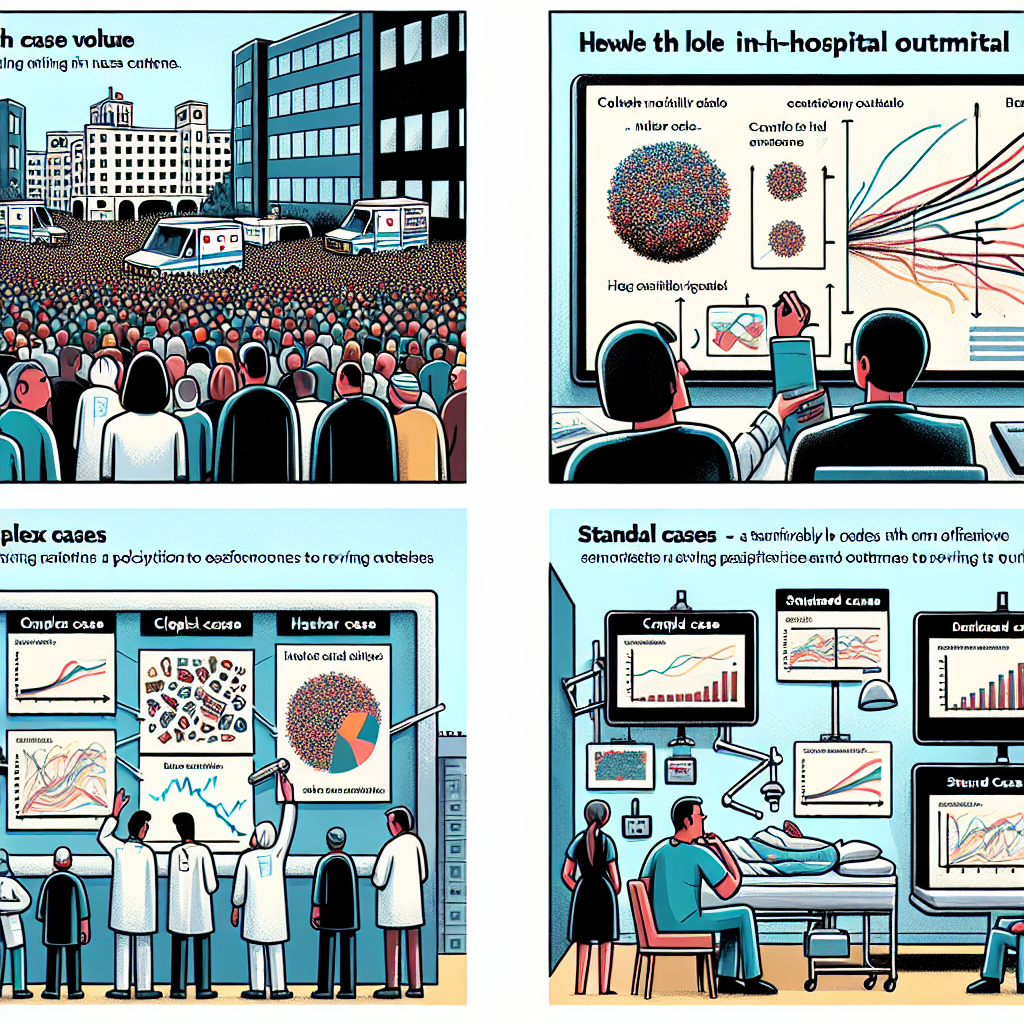
When you’re in the middle of an IBD flare that sends you to the emergency room, the last thing on your mind is probably researching which hospital has the most experience treating inflammatory bowel disease. You’re focused on getting relief from the pain, stopping the bleeding, or addressing whatever crisis brought you there. But what if I told you that the hospital’s experience with cases like yours could be a matter of life and death?
As someone living with Crohn’s or ulcerative colitis, you’ve probably already learned that not all doctors understand IBD equally well. Some have seen hundreds of cases, while others might encounter it rarely. The same principle, it turns out, applies to entire hospital systems—and new research suggests this experience gap has profound implications for patient outcomes.
Summary of Biomedcentral
German researchers analyzed data from hospitals across the country to understand how hospital experience—measured by the number of cases they treat—affects patient survival rates. Using machine learning to examine thousands of cases, they found a clear pattern: hospitals that treated more patients with specific conditions generally had lower death rates among those patients.
The relationship wasn’t identical across all medical conditions. For some treatments, higher patient volumes made a dramatic difference in outcomes. For others, the connection was weaker, possibly because standardized protocols helped maintain consistent care regardless of how many similar cases the medical team had handled previously.
The study suggests that expertise grows with repetition, and that patients might benefit from asking about a hospital’s experience with their specific condition. It also raises questions about whether healthcare systems should concentrate certain high-risk treatments at hospitals with more experience handling those cases.
This post summarizes reporting from Biomedcentral. Our analysis represents IBD Movement’s perspective and is intended to help patients understand how this news may affect them. Read the original article for complete details.
What This Means for the IBD Community
This research hits particularly close to home for those of us in the IBD community because we’re no strangers to hospital visits. Whether it’s planned surgeries, emergency flares, or complications from our medications, we often find ourselves navigating the healthcare system more frequently than we’d like. Understanding that hospital experience matters gives us another tool for advocacy and decision-making.
The IBD Experience Factor: IBD isn’t just about knowing the textbook definition of Crohn’s disease or ulcerative colitis. It’s about understanding the nuanced presentation of symptoms, recognizing when a patient is describing something serious versus manageable at home, and knowing which interventions work best in different scenarios. A hospital that sees dozens of IBD patients monthly will have nursing staff who understand that bathroom urgency isn’t something you can “hold,” emergency room doctors who recognize the signs of a serious flare versus a minor bump in symptoms, and surgeons who’ve performed countless IBD-related procedures.
Beyond Emergency Care: While this study focused on overall mortality rates, the implications extend far beyond life-or-death situations. Hospitals with more IBD experience are likely to have better protocols for managing medication interactions, understanding the complexity of biologic treatments, and coordinating care between gastroenterologists, surgeons, and other specialists. They’re more likely to have pharmacists familiar with IBD medications and dietitians who understand the nutritional challenges we face.
The Referral Network Effect: Experienced IBD centers don’t just have better individual practitioners—they have stronger networks. When complications arise, they know exactly which specialists to call. They have established relationships with IBD-focused surgeons, experienced pathologists, and mental health professionals who understand the psychological impact of chronic illness. This network effect multiplies the benefit of choosing an experienced center.
Research and Innovation Access: Hospitals that treat more IBD patients are also more likely to participate in clinical trials and have access to cutting-edge treatments. They’re often the first to implement new protocols, offer novel therapies, and provide access to experimental treatments when standard options aren’t working. For IBD patients, this could mean earlier access to breakthrough medications or surgical techniques.
Questions to Ask Your Healthcare Team:
- How many IBD patients does this hospital treat annually?
- Does the hospital have a dedicated IBD center or team?
- What’s the experience level of the gastroenterologists and surgeons with IBD cases?
- Are there protocols in place specifically for IBD emergencies?
- Does the hospital participate in IBD research or clinical trials?
Navigating Geographic Limitations: Of course, not everyone lives near a major IBD center, and emergency situations don’t always allow for hospital shopping. If you’re in a rural area or your local hospital has limited IBD experience, this research suggests some strategies. First, if you’re facing a planned procedure, it might be worth traveling to a more experienced center. Second, advocate for your local hospital to develop relationships with IBD experts who can provide telemedicine consultations or second opinions.
The Broader Healthcare Conversation: This research also highlights a systemic issue in healthcare: the concentration of expertise. While it might make sense to centralize complex care at experienced centers, we need to ensure this doesn’t create access barriers for patients who can’t easily travel or afford care at distant facilities. The IBD community should advocate for policies that both recognize the value of experience and ensure equitable access to quality care.
Building Your IBD Healthcare Strategy: Use this information to build a more strategic approach to your IBD care. Identify the most experienced IBD centers within a reasonable distance from your home. Establish relationships with these centers before you need emergency care. Many IBD centers offer consultations or second opinions that can help you build a relationship with their team, even if they’re not your primary care provider.
Consider also that experience matters at every level—not just the hospital, but individual providers within that hospital. A gastroenterologist who’s seen thousands of IBD patients brings different insights than one who sees a few cases per year. The same goes for nurses, pharmacists, and support staff.
This research validates what many of us have learned through trial and error: experience matters deeply in IBD care. It’s not just about having the right credentials or following the right protocols—it’s about the accumulated wisdom that comes from seeing pattern after pattern, complication after complication, and success after success. When your health is on the line, that experience can make all the difference.
While this study focused on mortality rates, the implications for quality of life are equally important. Better IBD care doesn’t just save lives—it preserves dignity, reduces suffering, and helps maintain the daily functioning that makes life worth living. For our community, that’s just as valuable as the survival statistics.
IBD Movement provides information for educational purposes only. This content is not intended to be a substitute for professional medical advice, diagnosis, or treatment. Always seek the advice of your physician or other qualified health provider with any questions you may have regarding a medical condition.
Related Posts

New Research Links Certain Occupations to Higher IBD Risk: What This Means for Your Career and Health
February 28, 2026
Eli Lilly’s Omvoh Shows Promise for Crohn’s Disease: What This Breakthrough Could Mean for Your Treatment Journey
February 27, 2026
Could Your Cholesterol Medication Help Your IBD? New Research Reveals Surprising Connection
February 27, 2026