How to Handle a Bathroom Accident in Public: A Practical Guide for IBD Warriors
Introduction
One of the most anxiety-provoking aspects of living with IBD is the fear of having a bathroom accident in public. This concern affects nearly every person with Crohn’s disease or ulcerative colitis at some point in their journey. Whether you’re at work, shopping, dining out, or attending social events, the worry about losing bowel control can be overwhelming and isolating.
This question matters because bathroom accidents are a reality for many people with IBD, especially during flare-ups or when trying new medications. The unpredictable nature of IBD symptoms means that even with careful planning, accidents can happen to anyone. Understanding how to handle these situations practically and emotionally can help reduce anxiety and restore confidence in your daily activities.
In this comprehensive guide, we’ll walk through immediate response strategies, practical cleanup techniques, emotional coping mechanisms, and prevention tips that can help you navigate these challenging moments with dignity and resilience.
The Short Answer
When a bathroom accident happens in public, stay calm and focus on immediate damage control. Quickly assess your situation, use any emergency supplies you have on hand, clean up discreetly in the nearest restroom, and don’t hesitate to ask for help if needed. Remember that accidents are a medical reality of IBD, not a personal failure, and most people are more understanding than you might expect.
The Complete Answer
Handling a public bathroom accident requires both practical steps and emotional resilience. Here’s a comprehensive approach to managing these situations:
Immediate Response (First 30 Seconds)
Stay as calm as possible. Take a deep breath and remind yourself that this is a medical situation, not something you did wrong. Your immediate priority is damage assessment and containment.
Quickly evaluate the extent of the accident. Is it minor seepage that’s contained within your undergarments, or is it more significant? This assessment will determine your next steps and help you decide whether you can manage discreetly or need to take more decisive action.
Find the nearest restroom immediately. If you’re in a store, restaurant, or public building, head straight to the bathroom. If you’re outdoors or in a location without facilities, look for the most private area possible where you can address the situation.
Damage Control and Cleanup
Once you’re in a private space, begin the cleanup process systematically:
Remove outer clothing carefully to prevent spreading any mess. If you’re wearing a jacket, sweater, or loose pants, take these off first and set them aside in a clean area.
Use your emergency kit supplies (which we’ll detail below) or available restroom materials. Wet wipes are your best friend for thorough cleaning, but if you don’t have them, dampen paper towels with water and a small amount of soap.
Clean yourself thoroughly, starting from the cleanest areas and working toward the most soiled. Be gentle but thorough – you want to prevent irritation and ensure you’re completely clean before putting on fresh clothes.
Change into clean undergarments and clothing if you have them. If not, assess whether your outer clothing is salvageable. Sometimes, you can clean clothing well enough to wear it home, especially if you have protective layers.
Managing Soiled Items
For soiled clothing, you have several options depending on the severity and your location:
If items are lightly soiled, you may be able to clean them in the restroom sink and continue wearing them. For more heavily soiled items, double-bag them in plastic bags (this is why plastic bags are essential in your emergency kit) and deal with them when you get home.
Some people choose to dispose of heavily soiled undergarments rather than trying to clean them in public. This is a personal choice, and having backup underwear makes this option viable.
Dealing with Odor
Odor management is often a major concern during public accidents. If you carry travel-sized body spray, deodorant, or scented wipes, use them judiciously. Don’t overdo it – too much fragrance can draw attention.
Focus on good hygiene first, then light scent coverage. Hand sanitizer can also help mask odors temporarily while you complete your cleanup.
Getting Help When Needed
Don’t be afraid to ask for help if you need it. Most people are more understanding and helpful than you might expect. If you’re with a trusted friend or family member, let them know what happened and ask them to bring you supplies or help you get home.
Store employees can often provide additional paper towels, plastic bags, or direct you to the best facilities. You don’t need to share details – simply saying you have a medical situation that requires cleanup is usually sufficient.
What Patients Should Know
Building Your Emergency Kit
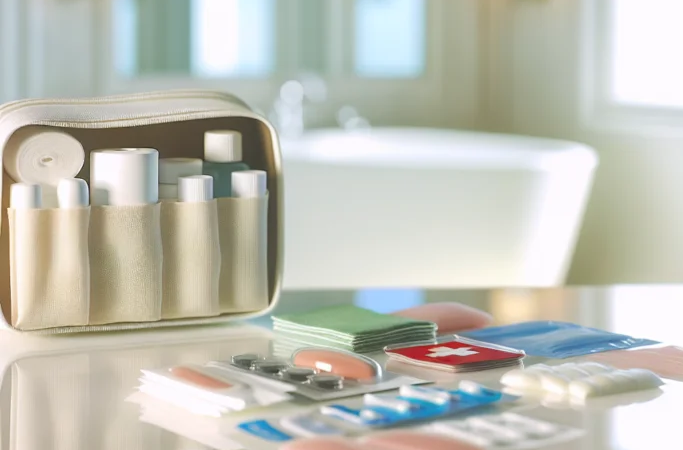
Prevention starts with preparation. Your emergency kit should include:
- Several pairs of clean underwear in sealed plastic bags
- Wet wipes (unscented, sensitive skin formula)
- Small pack of tissues or toilet paper
- Plastic bags for soiled items (at least 4-5 bags)
- Travel-sized body wipes or feminine hygiene wipes
- Small bottle of hand sanitizer
- Travel pack of disposable gloves
- Small towel or washcloth
- Change of clothes (if possible) or at least an extra pair of pants
- Disposable seat covers or small blanket for car rides
Questions to discuss with your healthcare team:
- What medications can help reduce urgency and accidents?
- Are there dietary modifications that might help prevent accidents?
- Should I consider protective undergarments during flare-ups?
- What are the warning signs that my symptoms are worsening?
- Are there specific triggers I should avoid when leaving home?
When to Seek Medical Attention
While occasional accidents can be part of living with IBD, contact your healthcare provider if:
- Accidents become more frequent or severe
- You experience new or worsening symptoms alongside incontinence
- You notice blood, mucus, or unusual discharge
- You develop severe abdominal pain or cramping
- Accidents are significantly impacting your quality of life or mental health
Emotional Coping Strategies
The emotional impact of public accidents can be as challenging as the physical cleanup. Remember that this is a symptom of your medical condition, not a reflection of your character or hygiene. Many successful, accomplished people with IBD have experienced similar situations.
Consider working with a therapist who understands chronic illness if accidents are causing significant anxiety or depression. Support groups, both online and in-person, can also provide valuable emotional support and practical tips from others who truly understand.
Related Questions
What should I do if someone notices or comments on the accident?
Most people will be discreet and understanding, but if someone does notice, a simple “I have a medical condition” is usually sufficient explanation. You don’t owe anyone detailed explanations about your health. If someone is unkind, remember that their reaction reflects their character, not yours.
How can I prevent accidents when I’m away from home for extended periods?
Plan your route around available restrooms, eat conservatively before outings, take medications as prescribed, and consider protective undergarments during flare-ups. Always scout restroom locations when you arrive somewhere new, and don’t wait until urgency becomes critical.
Should I tell my employer or school about my condition to prevent embarrassment?
This is a personal decision, but having some level of disclosure can provide legal protections and practical accommodations. You might request restroom access accommodations or the ability to keep emergency supplies at work without sharing specific medical details.
How do I handle accidents during travel or in unfamiliar places?
Research restroom locations ahead of time, pack extra emergency supplies, consider seat protectors for transportation, and don’t hesitate to ask locals or hotel staff for directions to the nearest facilities. Having a larger emergency kit during travel is always wise.
The Bottom Line
Bathroom accidents in public are an unfortunate reality for many people living with IBD, but they don’t have to derail your life or destroy your confidence. The key is preparation, quick action, and self-compassion.
By maintaining a well-stocked emergency kit, knowing your cleanup strategy, and practicing emotional resilience, you can handle these situations with dignity and minimal disruption to your day. Remember that millions of people worldwide manage IBD symptoms, including incontinence, while leading full, successful lives.
Most importantly, don’t let the fear of accidents keep you from living your life. With proper preparation and the right mindset, you can navigate these challenges while continuing to work, socialize, travel, and pursue your goals. Your IBD is just one part of your story – it doesn’t define your worth or limit your potential.
If accidents become frequent or severely impact your quality of life, work with your healthcare team to adjust your treatment plan. There are many effective strategies and medications that can help reduce symptoms and restore your confidence in daily activities.