IBD Flare Recovery: Rebuilding Your Gut Microbiome After Antibiotics
Introduction
If you’ve recently completed a course of antibiotics during an IBD flare, you’re likely wondering how to restore the delicate balance of bacteria in your gut. This question is incredibly common among people with Crohn’s disease and ulcerative colitis, as antibiotics are frequently prescribed to treat infections or complications that can arise during active inflammation.
The concern is well-founded: antibiotics can significantly disrupt your gut microbiome, potentially affecting your IBD symptoms and overall digestive health. While these medications are sometimes necessary to address serious infections like C. difficile or abscesses, they don’t discriminate between harmful bacteria and the beneficial microbes that help maintain intestinal balance.
Understanding how to strategically rebuild your microbiome after antibiotic treatment is crucial for long-term IBD management. This process involves careful timing of probiotic reintroduction, thoughtful dietary choices, and close monitoring of your symptoms as your gut ecosystem recovers.
The Short Answer
Rebuilding your gut microbiome after antibiotics during IBD recovery requires a gradual, multi-phase approach. Start with gentle probiotics 2-4 hours after your last antibiotic dose, introduce prebiotic-rich foods slowly as your symptoms allow, and work closely with your healthcare team to monitor your progress. The recovery process typically takes 2-6 months, depending on the antibiotic type, duration of treatment, and your individual IBD status.
The Complete Answer
Recovering your gut microbiome after antibiotic treatment during an IBD flare requires a strategic, phased approach that respects both your healing intestines and the complex ecosystem of bacteria you’re trying to restore.
Phase 1: Immediate Post-Antibiotic Period (Days 1-7)
The first week after completing antibiotics is critical for preventing harmful bacteria from colonizing your disrupted gut environment. Begin taking probiotics within 2-4 hours of your last antibiotic dose – contrary to old advice about waiting, recent research shows that early probiotic intervention can help maintain beneficial bacterial populations during the vulnerable post-antibiotic period.
Choose a multi-strain probiotic containing at least 10-50 billion CFUs with strains like Lactobacillus rhamnosus, Bifidobacterium longum, and Saccharomyces boulardii. The yeast S. boulardii is particularly valuable because it’s naturally resistant to antibiotics and can help prevent C. difficile infections, which people with IBD are at higher risk of developing.
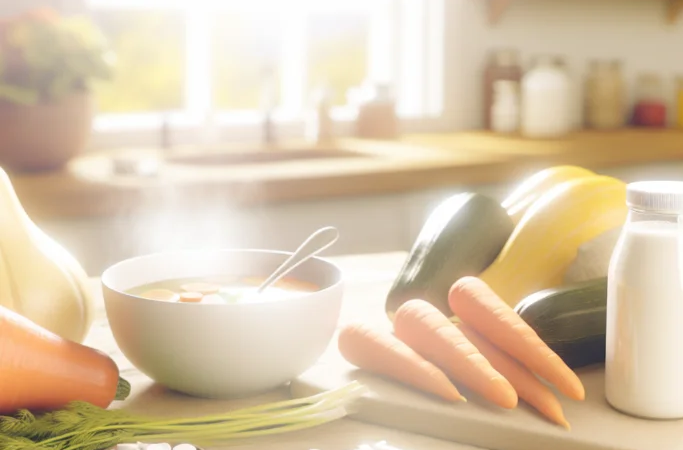
During this phase, focus on easily digestible foods that won’t irritate your recovering intestinal lining. Bone broth, well-cooked white rice, bananas, and plain yogurt (if tolerated) provide gentle nutrition while supporting initial microbiome recovery.
Phase 2: Early Recovery (Weeks 2-4)
As your immediate post-antibiotic symptoms stabilize, you can begin introducing prebiotic foods that feed beneficial bacteria without triggering IBD symptoms. Start with small amounts of well-cooked vegetables like carrots, squash, and zucchini. These contain gentle fibers that beneficial bacteria can ferment without causing excessive gas or bloating.
Gradually increase your probiotic diversity by rotating different strains or adding fermented foods like kefir, miso, or small amounts of sauerkraut juice (strain out the cabbage initially if you’re sensitive to fiber). Monitor your symptoms closely – if you notice increased cramping, diarrhea, or other IBD symptoms, scale back and reintroduce more slowly.
Phase 3: Sustained Rebuilding (Months 2-6)
The long-term rebuilding phase focuses on establishing a diverse, stable microbiome that can help maintain your IBD remission. Research shows that people with IBD often have reduced microbial diversity, so this phase is about gradually expanding the types of beneficial bacteria in your gut.
Introduce a wider variety of prebiotic foods based on your individual tolerance. Resistant starches like cooled potatoes or rice, small amounts of green bananas, and well-cooked legumes can provide fuel for beneficial bacteria. If you tolerate them well, gradually add foods containing inulin and oligosaccharides like garlic, onions, and asparagus in small, cooked portions.
What Patients Should Know
Microbiome recovery after antibiotics isn’t just about taking probiotics – it’s about creating an environment where beneficial bacteria can thrive while managing your IBD symptoms. The process is highly individual, and what works for one person may not work for another.
Key questions to discuss with your healthcare team:
- Should I continue my current IBD medications during microbiome recovery?
- Are there specific probiotic strains that work better with my type of IBD?
- How can I monitor whether my microbiome is recovering effectively?
- What symptoms should prompt me to contact you during this recovery period?
- Should I consider stool testing to track my microbiome diversity?
Red flags that require immediate medical attention:
- Severe diarrhea (more than 6 loose stools per day)
- Blood in stool or worsening rectal bleeding
- Fever above 101°F (38.3°C)
- Severe abdominal pain or cramping
- Signs of dehydration (dizziness, decreased urination, extreme fatigue)
- Any symptoms that feel like your original flare returning
Tracking your recovery can help you and your doctor understand what’s working. Keep a simple log of your bowel movements, energy levels, and any new foods you introduce. Some people find stool testing helpful for objectively measuring microbiome diversity, though this isn’t necessary for everyone.
Related Questions
How long should I wait between finishing antibiotics and starting probiotics?
You should start probiotics within 2-4 hours of your last antibiotic dose, not after completing the entire course. This timing helps maintain beneficial bacteria populations during the vulnerable post-antibiotic period and may reduce the risk of antibiotic-associated diarrhea.
Can I take probiotics while still on antibiotics for my IBD flare?
Yes, taking probiotics during antibiotic treatment can be beneficial, especially Saccharomyces boulardii, which is naturally antibiotic-resistant. Space the probiotic at least 2 hours away from your antibiotic doses to maximize effectiveness.
What if fermented foods make my IBD symptoms worse during recovery?
This is common and doesn’t mean you can’t rebuild your microbiome. Stick to probiotic supplements initially and introduce fermented foods very gradually once your symptoms stabilize. Start with small amounts of liquid from fermented vegetables rather than the vegetables themselves.
Should I get stool testing to monitor my microbiome recovery?
While not essential for everyone, comprehensive stool testing can provide valuable insights into your microbiome diversity and help guide your recovery strategy. Discuss with your gastroenterologist whether testing would be beneficial in your specific situation.
The Bottom Line
Rebuilding your gut microbiome after antibiotic treatment during IBD recovery is a gradual process that requires patience and individualized approaches. The key is starting early with probiotics, introducing prebiotic foods slowly based on your tolerance, and working closely with your healthcare team to monitor your progress.
Remember that microbiome recovery typically takes 2-6 months, and everyone’s timeline is different. Focus on gentle, consistent support for your beneficial bacteria while avoiding foods that trigger your IBD symptoms. Most importantly, don’t hesitate to reach out to your healthcare team if you experience concerning symptoms during this recovery period.
Your gut microbiome is resilient, and with the right approach, you can successfully rebuild a healthy bacterial ecosystem that supports your long-term IBD management. Stay patient with the process, celebrate small improvements, and trust that your body has an remarkable ability to heal when given the right support.
Medical Disclaimer: This information is for educational purposes only and should not replace professional medical advice. Always consult with your healthcare provider before making changes to your treatment plan or starting new supplements during IBD recovery.
Related Posts
New Research on Fasting-Mimicking Diets Offers Hope for Crohn’s Disease Management
January 15, 2026
The Surgical Tightrope: Why IBD Patients Deserve a Standardized Medication Protocol for Elective Surgery
January 14, 2026
Revolutionary Blood Test Could Detect IBD Risk Years Before Symptoms Emerge
January 14, 2026