IBD Travel Emergency Kit: The Complete Guide to Stress-Free Adventures
Living with Inflammatory Bowel Disease (IBD) doesn’t mean your wanderlust has to take a backseat. Whether you’re managing Crohn’s disease or ulcerative colitis, traveling can be one of life’s greatest joys – but it requires thoughtful preparation that goes far beyond what your gastroenterologist might mention during a routine appointment.
This comprehensive guide addresses the real-world challenges that people with IBD face when traveling, from navigating international customs with medications to managing unexpected flares in unfamiliar places. You’ll discover lesser-known essentials that experienced IBD travelers swear by, country-specific considerations that could save your trip, and practical strategies for maintaining your health and peace of mind wherever your journey takes you.
Whether you’re planning your first post-diagnosis adventure or you’re a seasoned traveler looking to refine your preparation strategy, this guide will empower you with the knowledge and confidence to explore the world while keeping your IBD well-managed. Let’s transform travel anxiety into travel excitement – one carefully packed item at a time.
Why IBD Travel Preparation Goes Beyond Basic Medication Management
The reality of traveling with IBD extends far beyond simply remembering to pack your prescriptions. Unlike other chronic conditions, IBD presents unique challenges that can vary dramatically based on your destination, travel duration, and current disease activity. Unpredictable flares, dietary restrictions, and the need for immediate bathroom access create a complex web of considerations that standard travel advice simply doesn’t address.
Many healthcare providers, while well-intentioned, may not fully grasp the intricacies of international travel with IBD. They might remind you to bring extra medication but overlook critical details like customs regulations for biologics, the importance of temperature-controlled storage during long flights, or the challenge of finding IBD-friendly foods in remote destinations.
Research from the Crohn’s & Colitis Foundation indicates that over 60% of people with IBD report travel anxiety related to their condition, yet many feel unprepared for the practical realities they’ll face. This preparation gap can lead to missed opportunities, unnecessary stress, and in worst-case scenarios, serious health complications while abroad.
The key is understanding that IBD travel preparation is a specialized skill that requires insider knowledge from those who’ve navigated these challenges successfully. This guide bridges that gap, offering practical wisdom that comes from real-world experience combined with medical best practices.
Essential Documentation: Your Medical Passport
Your most critical travel companions aren’t always tangible items – they’re the documents that can make the difference between a smooth journey and a medical emergency abroad. Proper documentation serves as your medical passport, opening doors when language barriers and unfamiliar healthcare systems threaten to complicate your care.
Multi-Language Medical Letters
Request a comprehensive medical letter from your gastroenterologist that includes:
- Your specific IBD diagnosis (Crohn’s disease or ulcerative colitis with location details)
- Complete medication list with generic names, dosages, and administration schedules
- Emergency treatment protocols for flares, including preferred corticosteroids
- Dietary restrictions and safe food guidelines
- Contact information for your healthcare team with international calling codes
Have this letter translated into the local language of your destination, plus Spanish (widely understood in medical settings globally). Professional medical translation services like Straker Translations or Day Translations specialize in accurate medical terminology that could be crucial in emergency situations.
Digital and Physical Backup Systems
Create multiple backup systems for your documentation:
- Cloud storage: Upload documents to Google Drive, Dropbox, and iCloud
- Email copies: Send to multiple email accounts you can access
- Physical copies: Pack in carry-on, checked luggage, and leave copies with travel companions
- Medical ID apps: Use apps like Medical ID or ICE Medical Standard to store critical information
Advanced Medication Strategies for International Travel
Managing IBD medications while traveling internationally requires strategies that go well beyond the standard “bring extra pills” advice. Different countries have varying regulations, climate considerations affect drug stability, and time zone changes impact dosing schedules in ways that can significantly affect your treatment efficacy.
The 3-2-1 Backup Rule
Implement the 3-2-1 backup strategy for medication security:
- 3 separate locations: Carry-on, checked luggage, and travel companion’s bag
- 2 different formats: Original prescriptions plus pharmacy printouts with refill information
- 1 emergency contact: Your pharmacy’s international number for emergency refills
Biologic Medication Considerations
If you’re on biologics like Humira, Remicade, or Stelara, special considerations apply:
- Temperature control: Invest in a medical-grade cooling case like the FRIO wallet system
- Customs documentation: Carry manufacturer’s letters explaining the medication’s appearance and necessity
- Injection supplies: Pack extra syringes, alcohol wipes, and sharps containers
- Time zone adjustments: Consult your healthcare provider about modifying injection schedules for significant time changes
Country-Specific Medication Regulations
Research destination-specific requirements well in advance:
- Japan and Singapore: Require pre-approval for many IBD medications through embassy medical clearance
- Middle Eastern countries: May restrict certain pain medications commonly used for IBD-related discomfort
- European Union: Generally medication-friendly, but carry prescriptions with generic names
- Developing nations: May lack refrigeration facilities for biologics – plan accordingly
Comfort and Symptom Management Essentials
Beyond medications, your travel kit should include items that provide comfort and discrete symptom management. These often-overlooked essentials can transform a potentially miserable travel experience into a manageable one, allowing you to focus on enjoying your destination rather than managing your symptoms.
Discreet Symptom Management Tools
Portable bathroom essentials that fit discretely in a small bag:
- Travel-sized wet wipes: Unscented, alcohol-free options for sensitive skin
- Portable bidet bottle: The HappyPo or Brondell GoSpa for gentle cleaning
- Barrier cream samples: Small tubes of zinc oxide or Calmoseptine
- Disposable underwear: For emergencies or extended bathroom visits
- Small towel: Quick-dry microfiber for personal hygiene
Comfort Items for Long Journeys
Items that make extended travel more comfortable:
- Heating pad alternatives: Adhesive heat patches that don’t require electricity
- Compression garments: Gentle abdominal support for bloating and discomfort
- Electrolyte supplements: Individual packets of sugar-free options like Liquid IV
- Probiotics: Shelf-stable strains that don’t require refrigeration
- Anti-nausea aids: Sea-bands, ginger chews, or prescription anti-emetics
Dietary Emergency Kit
Prepare for dietary challenges with portable, IBD-friendly options:
- Safe snacks: Rice cakes, bananas, plain crackers in sealed containers
- Digestive enzymes: Over-the-counter options for unexpected dietary challenges
- Meal replacement shakes: Powdered options that mix with safe liquids
- Translation cards: Restaurant cards explaining your dietary restrictions in local languages
Technology and Apps for IBD Travel Management
Modern technology offers powerful tools for managing IBD while traveling. The right apps and digital tools can help you track symptoms, locate bathrooms, communicate with healthcare providers, and maintain medication schedules across time zones.
Essential IBD Management Apps
- My IBD Care: Comprehensive symptom tracking with travel-specific features
- Oshi Health: Telehealth platform for IBD patients with international access
- Cara Care: Food and symptom diary with trigger identification
- Flush – Public Toilet Finder: Crowdsourced bathroom locations worldwide
Communication and Translation Tools
- Google Translate: Download offline language packs for medical conversations
- SayHi Translate: Voice translation for real-time medical communication
- Medical Spanish/French/etc.: Specialized medical phrase apps for common destinations
Resources and Professional Support
Building a support network before you travel can provide peace of mind and practical assistance when challenges arise. Professional resources, patient communities, and specialized services can bridge gaps in local healthcare and provide expert guidance tailored to IBD travel needs.
Professional Medical Services
- International SOS: Medical assistance and evacuation services with IBD-aware providers
- Allianz Global Assistance: Travel insurance with chronic condition coverage
- MEDIGO: Platform for finding IBD specialists in international destinations
- Teladoc: 24/7 telehealth consultations available in many countries
IBD-Specific Travel Resources
- Crohn’s & Colitis Foundation Travel Resources: Destination-specific guides and tips
- IBD Travel Buddy Facebook Groups: Connect with experienced IBD travelers
- European Federation of Crohn’s & Ulcerative Colitis Associations (EFCCA): Resources for European travel
- IBD Passport Program: International recognition cards for bathroom access
Questions to Ask Your Healthcare Provider
Before traveling, discuss these specific points with your gastroenterologist:
- Medication timing: How should I adjust dosing schedules for significant time zone changes?
- Flare management: What’s my emergency action plan if I experience a flare while traveling?
- Dietary flexibility: Which foods should I absolutely avoid, and which might be okay to try?
- Activity restrictions: Are there any travel activities I should avoid given my current disease status?
- Local healthcare: Can you recommend IBD specialists in my destination city?
Common Mistakes That Can Derail Your Trip
Learning from the experiences of other IBD travelers can help you avoid costly and uncomfortable mistakes. These common pitfalls are entirely preventable with proper planning, but they catch even experienced travelers off guard when overlooked.
Documentation and Legal Oversights
Assuming all countries accept the same medication documentation is a critical error. Each country has specific requirements for importing prescription medications, and what works in Europe may not suffice in Asia or South America. Always verify requirements with the destination country’s embassy or consulate well before travel.
Failing to research medication availability at your destination can leave you stranded without essential treatments. Some IBD medications aren’t available in certain countries, and emergency refills may require expensive private healthcare or medical evacuation.
Medication Management Errors
Packing all medications in checked luggage creates unnecessary risk. Airlines lose luggage regularly, and temperature extremes in cargo holds can damage sensitive medications like biologics. Always pack at least a week’s supply in your carry-on.
Not accounting for medication stability during long journeys can compromise treatment effectiveness. Biologics and some oral medications require specific storage conditions that standard luggage doesn’t provide.
Planning and Preparation Gaps
Underestimating the importance of travel insurance with chronic condition coverage can result in devastating medical bills. Standard travel insurance often excludes pre-existing conditions, leaving you vulnerable to expensive emergency care costs abroad.
Your Next Steps to Confident IBD Travel
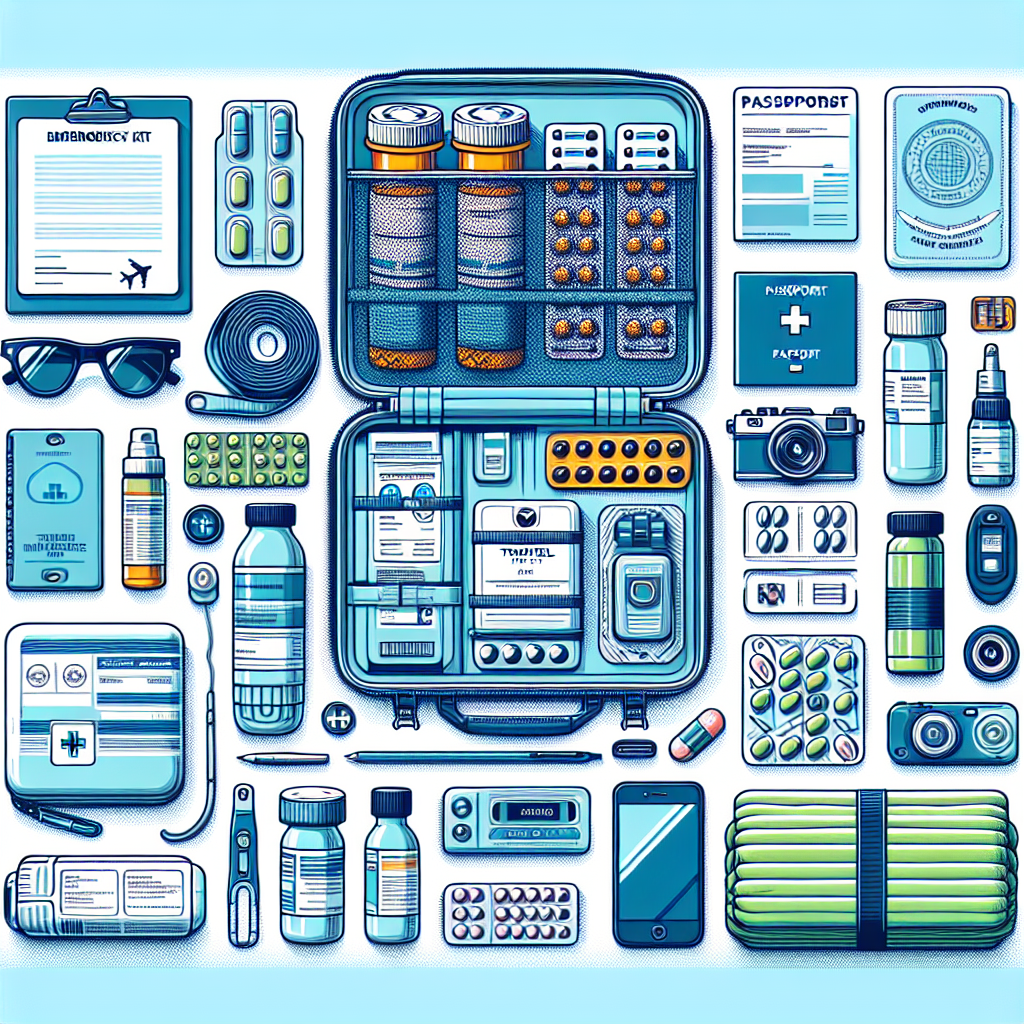
Creating your comprehensive IBD travel emergency kit is an investment in freedom – the freedom to explore, experience, and enjoy life beyond the limitations that IBD might otherwise impose. With proper preparation, your condition becomes just one factor to manage rather than a barrier to adventure.
Start your preparation at least 8-12 weeks before travel, beginning with documentation and medication planning. Research your destination’s specific requirements and healthcare landscape. Connect with IBD communities who have traveled to your destination for insider tips and recommendations.
Remember that every journey teaches you something new about traveling with IBD. Your emergency kit will evolve based on your experiences, destinations, and changing health needs. The goal isn’t perfection – it’s preparation that gives you confidence to embrace new experiences while maintaining your health and well-being.
Most importantly, don’t let IBD keep you from seeing the world. Millions of people with IBD travel successfully every year, creating memories and experiences that enrich their lives immeasurably. With the right preparation, support, and mindset, your next adventure awaits – emergency kit packed and confidence restored.
Medical Disclaimer: This guide provides general information for educational purposes only and should not replace professional medical advice. Always consult with your healthcare provider before traveling, especially regarding medication management and emergency planning. Individual needs may vary based on disease severity, current treatments, and destination-specific factors.