Should You Stop Anti-TNF Therapy in Remission? What New Research Tells Us
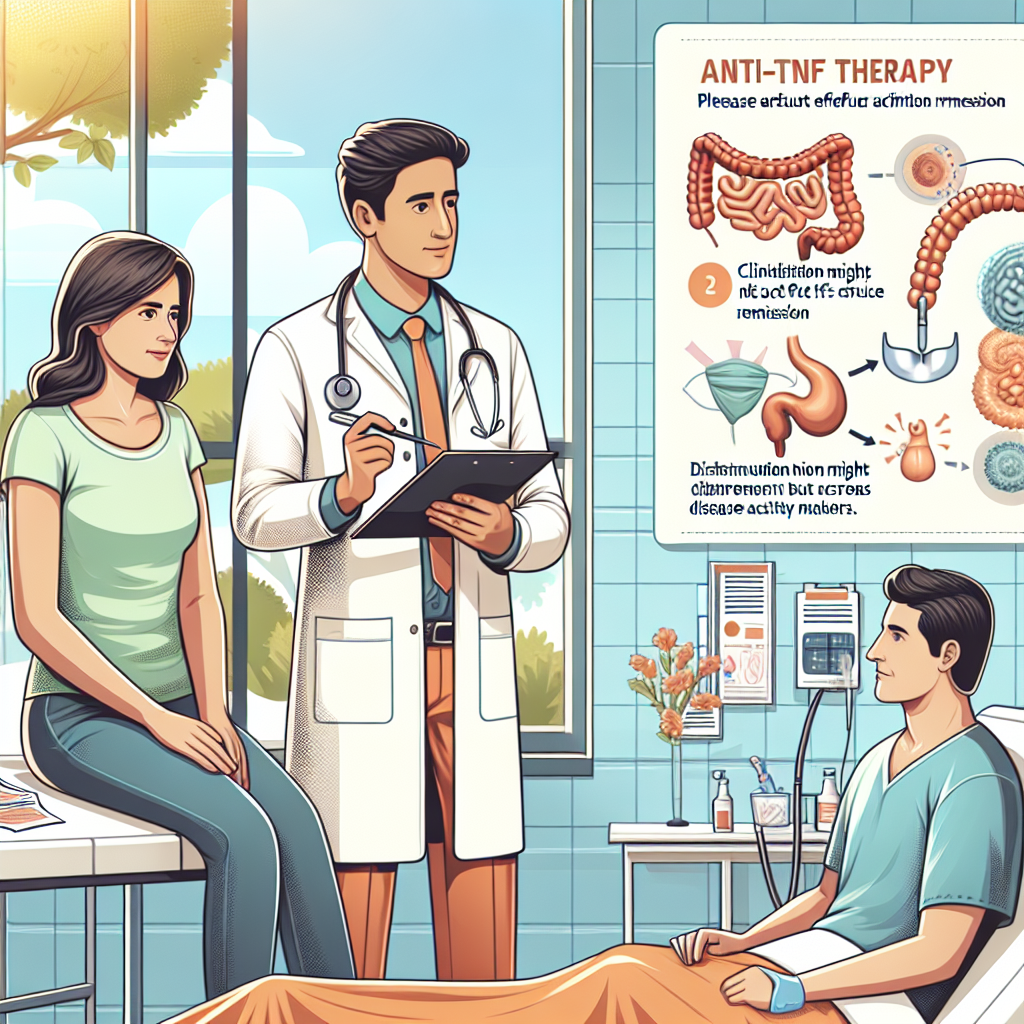
There’s something both thrilling and terrifying about reaching remission with IBD. After months or years of fighting inflammation, adjusting medications, and dealing with unpredictable symptoms, you finally find yourself in that coveted place where your body feels calm again. But then comes the question that haunts so many of us: “Can I stop taking these powerful medications now?”
If you’re on anti-TNF therapy like Remicade, Humira, or Stelara, this question probably weighs heavily on your mind. These medications are life-changing, but they’re also expensive, require careful monitoring, and come with potential side effects that can feel overwhelming. When you’re feeling good, it’s natural to wonder if you really need to keep taking them.
Summary of here
New clinical trial research has revealed important insights about stopping anti-TNF therapy during IBD remission. The study found that while discontinuing these medications doesn’t necessarily make a relapse more likely within the first year, the situation is more complex than it initially appears. Researchers discovered that even when patients remain in clinical remission after stopping treatment, certain biomarkers and imaging studies show subtle signs that inflammation may still be present beneath the surface. This suggests that what appears to be true healing may actually be a temporary pause in disease activity, with the potential for future complications even when patients feel completely well.
This post summarizes reporting from here. Our analysis represents IBD Movement’s perspective and is intended to help patients understand how this news may affect them. Read the original article for complete details.
What This Means for the IBD Community
This research hits at the heart of one of the most challenging decisions we face as IBD patients: balancing the desire for normalcy with the need for ongoing protection from our disease. The findings reveal something many of us have suspected but hoped wasn’t true—that feeling good doesn’t always mean we’re truly healed.
For those of us living with Crohn’s disease or ulcerative colitis, this research validates what can be a frustrating reality: IBD is often an invisible illness, even to the most sophisticated medical tests. You can feel fantastic, have normal blood work, and even have clean-looking colonoscopies, but inflammation might still be quietly working in ways we can’t easily detect.
What’s particularly significant about these findings is that they challenge our traditional understanding of remission. We’ve often thought of remission as a binary state—either you have active disease or you don’t. But this research suggests there’s a middle ground, a gray area where the disease isn’t actively causing symptoms but hasn’t been fully suppressed either.
This has real implications for how we think about our treatment goals. It’s not just about feeling better or even looking better on tests—it’s about achieving what researchers call “deep remission,” where inflammation is truly controlled at the cellular level. This might mean staying on medications longer than we’d prefer, but it could also mean better long-term outcomes and fewer complications down the road.
For patients currently in remission on anti-TNF therapy, this research provides important context for discussions with your healthcare team. It doesn’t mean you should never consider stopping your medication, but it does mean that decision should be made with a clear understanding of what remission actually means and what risks you might be accepting.
The cost factor can’t be ignored either. Anti-TNF medications can cost thousands of dollars per month, even with insurance. For many families, the financial burden is significant, making the question of whether to continue treatment even more pressing. This research suggests that while stopping medication might not lead to immediate problems, there could be hidden consequences that only become apparent over time.
From a practical standpoint, this research emphasizes the importance of comprehensive monitoring if you and your doctor decide to attempt a medication withdrawal. It’s not enough to just check how you’re feeling—regular blood work, inflammatory markers, and possibly imaging studies become crucial for catching subtle signs of returning inflammation before they become full-blown flares.
This also highlights why the relationship with your IBD specialist is so critical. They need to know not just how you’re feeling day-to-day, but also your personal risk factors, your history with the disease, and your individual goals and concerns. The decision to stop anti-TNF therapy isn’t one-size-fits-all—it needs to be tailored to your specific situation.
For caregivers and family members, this research underscores why your loved one might need to continue taking medications even when they seem completely well. IBD can be difficult to understand from the outside because symptoms aren’t always visible, and this research shows that even the absence of symptoms doesn’t guarantee the absence of disease activity.
Looking at the broader landscape of IBD research, these findings align with a growing trend toward more personalized, precision medicine approaches. We’re moving away from broad treatment protocols toward more individualized strategies that take into account not just clinical symptoms, but also biomarkers, genetics, and personal risk factors.
This research also points to the need for better tools to truly assess disease activity. While we have good methods for detecting active inflammation, we need better ways to determine when the disease is truly inactive versus just temporarily quiet. Future research might focus on developing more sensitive biomarkers or imaging techniques that can better distinguish between true remission and apparent remission.
Questions to Discuss with Your Doctor
If you’re currently on anti-TNF therapy and considering stopping, this research provides a framework for important conversations with your healthcare team:
- What specific markers will we monitor if I stop my medication?
- How long should I expect to wait before knowing if stopping was successful?
- What are my personal risk factors for complications if subtle inflammation persists?
- Are there alternative approaches to reducing medication burden while maintaining protection?
- What would be the plan for restarting treatment if needed?
The bottom line is this: while the dream of stopping all IBD medications is appealing and sometimes achievable, this research reminds us that the decision requires careful consideration and ongoing vigilance. Feeling well is wonderful and should be celebrated, but it’s just one piece of the puzzle in managing a complex, chronic condition.
For many in our community, this research might feel discouraging—another reminder that IBD doesn’t just go away, even when we desperately want it to. But I prefer to see it as empowering. Knowledge is power, and understanding the true nature of remission helps us make better decisions about our care. It also validates the experiences of those who’ve tried stopping medications only to have symptoms return, sometimes in ways that were subtle at first but significant over time.
Remember, every person’s journey with IBD is different. Some people do successfully stop anti-TNF therapy and maintain long-term remission. Others find that they need ongoing treatment to feel their best and prevent complications. Neither path is right or wrong—they’re just different approaches to managing a complex condition. What matters most is making informed decisions in partnership with your healthcare team, based on your individual circumstances, goals, and values.
IBD Movement provides information for educational purposes only. This content is not intended to be a substitute for professional medical advice, diagnosis, or treatment. Always seek the advice of your physician or other qualified health provider with any questions you may have regarding a medical condition.
Related Posts

New Research Links Certain Occupations to Higher IBD Risk: What This Means for Your Career and Health
February 28, 2026
Eli Lilly’s Omvoh Shows Promise for Crohn’s Disease: What This Breakthrough Could Mean for Your Treatment Journey
February 27, 2026
Could Your Cholesterol Medication Help Your IBD? New Research Reveals Surprising Connection
February 27, 2026