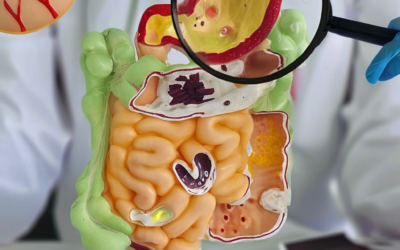
It’s Time to Detox Your Social Media Feed: Why the IBD Community Needs Better Digital Boundaries
Scroll through any IBD-related social media group at 2 AM, and you’ll find them: the desperate posts from someone mid-flare asking strangers to diagnose their symptoms, the miracle cure testimonials that promise everything Western medicine couldn’t deliver, and the comparison posts that leave you questioning whether you’re “sick enough” or “grateful enough” or managing your condition the “right way.” If this sounds familiar, you’re not alone—and it’s time we had an honest conversation about how our well-intentioned online health communities are sometimes making us sicker, not better.
The IBD community’s relationship with social media has reached a critical inflection point. While these platforms have undoubtedly connected isolated patients and provided invaluable peer support, they’ve also become breeding grounds for medical misinformation, toxic comparison culture, and the kind of always-on health anxiety that can worsen our already complex conditions. It’s time for a fundamental shift in how we approach IBD-focused social media—not abandoning these spaces entirely, but demanding better from them and, more importantly, from ourselves.
The Current Digital Health Crisis
The numbers tell a sobering story. A recent study published in the Journal of Medical Internet Research found that 84% of people with chronic illnesses use social media to seek health information, yet nearly half report feeling more anxious about their condition after engaging with health-related content online. For those of us living with IBD, this digital double-edged sword cuts particularly deep.
Consider what happens in a typical IBD Facebook group on any given day. Someone posts a graphic photo of their latest bowel movement asking for crowd-sourced medical opinions. Another member shares their “complete remission” story, attributing their success to a restrictive diet that worked for them but may be harmful for others. Meanwhile, pharmaceutical companies’ patient advocates subtly promote new treatments, and wellness influencers peddle expensive supplements with bold claims and zero peer-reviewed evidence.
This isn’t just harmless information sharing—it’s creating a perfect storm of health anxiety, medical confusion, and decision-making based on anecdotal evidence rather than individualized medical care. The very platforms designed to support us are inadvertently undermining our relationships with our healthcare providers and our ability to make informed decisions about our care.
The problem has been amplified by the pandemic, which drove even more people online for health information and community connection. But unlike other health conditions, IBD’s highly individual nature—where treatments, triggers, and symptoms vary dramatically from person to person—makes our online spaces particularly vulnerable to dangerous generalizations and one-size-fits-all solutions.
Why We Need a New Approach to IBD Social Media
The solution isn’t to abandon social media entirely. The genuine connections, practical tips, and emotional support found in these communities are too valuable to lose. Instead, we need to fundamentally reimagine how we engage with health-related content online, starting with the recognition that not all IBD content is created equal—or equally helpful for our mental and physical wellbeing.
First, we must acknowledge that the current free-for-all approach to health information sharing in IBD communities is actively harmful. When someone experiencing severe symptoms turns to a Facebook group instead of their gastroenterologist, we’ve failed them. When newly diagnosed patients are overwhelmed by contradictory diet advice from well-meaning strangers, we’ve created more confusion than clarity. When people feel pressured to share intimate medical details to “prove” their illness severity, we’ve lost sight of healthy boundaries.
The most insidious problem is what I call “comparative suffering syndrome”—the tendency to measure our IBD experience against others’ online presentations. Social media’s highlight reel nature means we’re constantly exposed to others’ best days, worst flares, miracle recoveries, and treatment failures, creating an impossible standard for how we “should” be experiencing our own condition. This comparison trap doesn’t just hurt our mental health; it can actually influence our physical symptoms and treatment decisions in dangerous ways.
Furthermore, the current model allows misinformation to spread unchecked. While platform moderators do their best, the sheer volume of content and the nuanced nature of medical information makes it nearly impossible to catch every dangerous piece of advice or unsubstantiated claim. We’ve essentially created an environment where anyone can play doctor, and vulnerable, desperate patients are the ones who pay the price.
Addressing the “But Community Is Healing” Argument
I can already hear the pushback: “But social media saved my life! I found my community there! You can’t take away this vital support system!” And you’re right—online IBD communities have provided crucial support, reduced isolation, and even helped people find life-changing treatments or doctors. These benefits are real and important.
However, acknowledging these benefits doesn’t mean we should accept the current toxic elements as inevitable collateral damage. We can maintain the community aspects while implementing better boundaries and standards. The question isn’t whether online IBD communities provide value—it’s whether we can preserve that value while eliminating the harm.
Some argue that heavily moderating content would stifle authentic sharing and support. But consider this: would you rather have a space where people feel safe sharing their struggles without being bombarded with unsolicited medical advice, or one where anything goes and vulnerable members are regularly exposed to potentially harmful misinformation? True support requires creating environments where people can be heard without being overwhelmed or misled.
Others worry that encouraging people to limit their social media consumption will increase isolation. This concern is valid, but it misses the point. The goal isn’t less connection—it’s more intentional, healthier connection. Quality over quantity. Depth over breadth. Supportive engagement over passive consumption of potentially triggering content.
A Blueprint for Healthier IBD Social Media Engagement
So what needs to change? The transformation must happen on multiple levels, starting with individual users but extending to platform design, community moderation, and healthcare provider engagement.
For individual users, we need to normalize the concept of an “IBD social media detox”—not a permanent departure, but regular breaks and intentional curation of our feeds. This means unfollowing accounts that consistently trigger anxiety or comparison, setting specific times for checking health-related content instead of mindless scrolling, and creating personal rules about what types of content we’ll engage with. For example, you might decide to avoid graphic medical photos, skip posts asking for medical advice, or limit yourself to 15 minutes of IBD-related social media per day.
Community leaders and moderators must implement stricter guidelines around medical advice, require source citations for health claims, and create separate spaces for different types of content—support posts separate from treatment discussions, newly diagnosed members in moderated spaces before joining general groups, and clear labeling of anecdotal versus evidence-based information.
Healthcare providers need to become more proactive in addressing their patients’ social media consumption. This means asking about online health information sources during appointments, providing guidance on evaluating online content, and creating their own evidence-based online resources to compete with misinformation.
Platform developers should implement better health misinformation detection, create tools for users to filter health content based on their preferences, and partner with medical organizations to provide authoritative information alongside user-generated content.
Moving Forward: A Call for Intentional Digital Wellness
The path forward requires us to be as intentional about our digital health consumption as we are about our physical health management. Just as we’ve learned to read nutrition labels and avoid foods that trigger our symptoms, we need to develop the same discernment about the content we consume online.
This means recognizing that not every IBD story needs to be our story, not every treatment success or failure is relevant to our situation, and not every online health community deserves our time and emotional energy. It means choosing connection over consumption, quality engagement over quantity scrolling, and evidence-based information over compelling anecdotes.
Most importantly, it means remembering that our worth as IBD patients—and as human beings—isn’t determined by how we measure up to others’ online presentations of their health journeys. Your IBD experience is valid whether you share it online or not, whether it looks like others’ experiences or not, and whether it fits neatly into social media’s format or not.
The IBD community deserves better than the current digital free-for-all. We deserve spaces that truly support our healing rather than inadvertently undermining it. But this change won’t happen automatically—it requires each of us to demand better, set boundaries, and model healthier engagement. The question isn’t whether social media can be part of a healthy IBD management strategy. The question is whether we’re brave enough to make it so.