Japan’s IBD Crisis: What Rising Rates Mean for Us
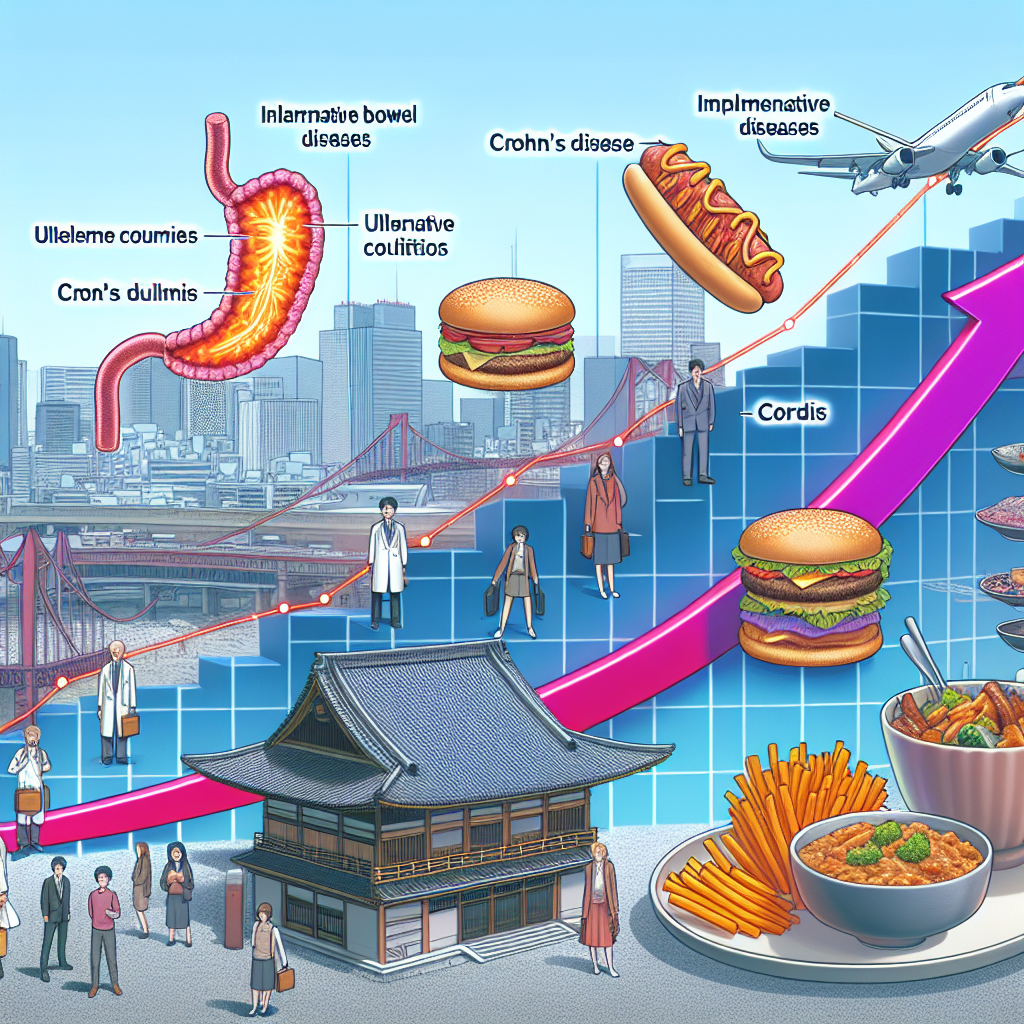
When I see numbers showing a 40% increase in IBD cases in Japan over just eight years, I don’t just see statistics—I see faces. I see the young professional who’s learned to map out every bathroom between home and work. I see the teenager quietly enduring flares while their classmates worry about weekend plans. I see families adjusting dinner times around medication schedules and the exhaustion that comes with explaining an invisible illness over and over again.
This surge in inflammatory bowel disease across Japan isn’t just a distant health trend—it’s a window into what many of us in the IBD community have been experiencing firsthand. The patterns emerging from this data might sound familiar: the way modern life seems to intersect with chronic illness in ways we’re still learning to understand.
Summary of here
Recent research reveals that inflammatory bowel disease cases in Japan have increased by nearly 40% in just eight years, with an even more dramatic tenfold increase since 1991. This surge affects both ulcerative colitis and Crohn’s disease, with younger populations being particularly impacted. Researchers point to dietary westernization as a key factor—specifically, increased consumption of animal fats and decreased rice intake compared to traditional Japanese diets.
The study highlights how environmental factors, particularly diet, may be contributing to IBD development alongside genetic predisposition. This trend places increasing pressure on Japan’s healthcare system, requiring more specialists and long-term care resources to manage the growing patient population.
This post summarizes reporting from here. Our analysis represents IBD Movement’s perspective and is intended to help patients understand how this news may affect them. Read the original article for complete details.
What This Means for the IBD Community
This data from Japan offers crucial insights that extend far beyond its borders. As someone who’s watched our IBD community grow and evolve, I find several aspects of this research particularly significant for those of us living with these conditions.
The Diet-Disease Connection Gets Stronger
The link between dietary westernization and IBD rates in Japan adds another piece to the puzzle we’ve been trying to solve about triggers and environmental factors. For many of us, diet has always felt like both a potential enemy and a possible ally in managing our symptoms. This research doesn’t provide a simple “avoid this, eat that” answer, but it does reinforce what many patients have suspected: our modern food environment may be playing a larger role than we previously understood.
What’s particularly interesting is how this aligns with experiences many of us have had with elimination diets, food sensitivity discoveries, and the trial-and-error process of finding what works for our individual bodies. It’s validation that our gut instincts about food relationships weren’t just in our heads.
Questions to Discuss with Your Healthcare Team
This research opens up several conversation starters for your next appointment:
- How might dietary patterns in your family or cultural background relate to IBD risk factors?
- What role could traditional vs. processed foods play in your individual management plan?
- Are there specific dietary interventions your doctor would recommend based on emerging research?
- How can you balance cultural food traditions with IBD management strategies?
The Youth Impact Hits Close to Home
Seeing younger populations disproportionately affected resonates deeply with trends we’ve observed in our own communities. More young adults are navigating college, career launches, and relationship building while managing IBD symptoms and treatment schedules. This isn’t just about medical statistics—it’s about life planning, career decisions, and the unique challenges of explaining a chronic illness to peers who may have never heard of Crohn’s or colitis.
The implications are profound: we need better support systems for young adults transitioning from pediatric to adult care, more workplace accommodations awareness, and educational resources that help young people advocate for themselves in academic and professional settings.
Healthcare System Strain Reflects Our Reality
The pressure on Japan’s healthcare system mirrors challenges many of us face regardless of location: finding specialists, getting timely appointments, and accessing comprehensive care. When IBD rates surge, it affects wait times, treatment accessibility, and the depth of care providers can offer each patient.
This trend underscores the importance of being proactive patients—keeping detailed symptom logs, preparing for appointments, and building relationships with our healthcare teams before we’re in crisis mode. It also highlights why patient advocacy and awareness campaigns matter so much for securing healthcare resources and research funding.
Environmental Factors Beyond Diet
While diet takes center stage in this research, it’s worth considering other environmental changes that parallel IBD increases: stress levels, antibiotic exposure, urban living patterns, and exposure to various chemicals and pollutants. These factors create a complex web that’s unique to each person’s experience.
Understanding this complexity can be both overwhelming and empowering. It’s overwhelming because there’s no single thing to avoid or embrace for guaranteed results. It’s empowering because it reinforces that IBD management is highly individual, and what works for one person may not work for another—and that’s completely normal.
Global Patterns, Personal Implications
Japan’s experience reflects broader global trends in IBD prevalence, particularly in countries undergoing rapid dietary and lifestyle transitions. This suggests that IBD isn’t just about individual genetics or bad luck—it’s about how our bodies respond to changing environments over time.
For those of us already living with IBD, this research reinforces the importance of staying informed about emerging patterns while avoiding the trap of blame or regret about past choices. We can’t change our diagnosis, but we can use evolving research to inform our ongoing management strategies.
The rising rates also mean that IBD awareness and understanding are likely to improve as more people are affected. While we never want more people to experience these challenges, increased prevalence often leads to better research funding, treatment options, and social understanding of chronic invisible illnesses.
This research validates what many patients have long suspected: that our conditions are influenced by more than just genetics, and that environmental factors—especially dietary patterns—play significant roles. It doesn’t provide immediate solutions, but it offers hope that as we better understand these connections, we can develop more effective prevention strategies and personalized treatment approaches. Most importantly, it reminds us that we’re not alone in navigating these challenges, and that the growing awareness of IBD’s complexity brings us closer to better support and care for everyone in our community.
IBD Movement provides information for educational purposes only. This content is not intended to be a substitute for professional medical advice, diagnosis, or treatment. Always seek the advice of your physician or other qualified health provider with any questions you may have regarding a medical condition.
Related Posts

New Research Links Certain Occupations to Higher IBD Risk: What This Means for Your Career and Health
February 28, 2026
Eli Lilly’s Omvoh Shows Promise for Crohn’s Disease: What This Breakthrough Could Mean for Your Treatment Journey
February 27, 2026
Could Your Cholesterol Medication Help Your IBD? New Research Reveals Surprising Connection
February 27, 2026