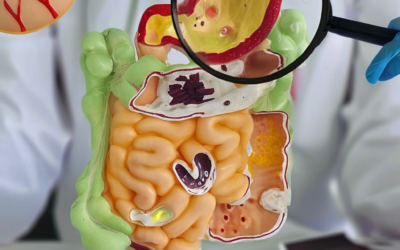
New Crohn’s Disease Guidelines Signal Major Shift Toward Aggressive Early Treatment
Summary of MedPage Today
IBD Movement provides news analysis and insights for the IBD community. Always consult your healthcare provider for personal medical advice.
A Treatment Revolution That Could Change Your IBD Journey
If you’re living with Crohn’s disease, the landscape of your treatment options may be about to change dramatically. New clinical guidelines are recommending a fundamental shift in how doctors approach Crohn’s treatment—moving away from the traditional “step-up” approach of starting with milder medications and instead advocating for the early use of high-efficacy drugs right from diagnosis.
This represents one of the most significant changes in IBD treatment philosophy in decades, and it could mean faster symptom relief, better long-term outcomes, and a completely different experience for people newly diagnosed with Crohn’s disease. For those already managing the condition, these guidelines may open doors to treatment adjustments that could improve quality of life.
What the New Guidelines Recommend
According to MedPage Today, the updated Crohn’s disease guidelines represent a paradigm shift in treatment strategy. The new recommendations advocate for starting patients on high-efficacy medications—such as biologics and advanced targeted therapies—much earlier in their treatment journey, rather than following the traditional approach of beginning with less potent medications like corticosteroids or immunomodulators.
As reported by MedPage Today, this change reflects growing evidence that early aggressive treatment can prevent irreversible bowel damage and lead to better long-term outcomes for people with Crohn’s disease. The guidelines emphasize the importance of achieving deep remission—not just symptom control—as quickly as possible after diagnosis.
The recommendations also stress the importance of regular monitoring and treatment optimization, suggesting that healthcare providers should be more proactive in adjusting therapies when patients aren’t achieving optimal outcomes. This marks a departure from the more conservative “wait and see” approaches that have traditionally characterized IBD management.
What This Means for Your Crohn’s Treatment Journey
This shift toward early high-efficacy treatment represents a fundamental change in how we think about Crohn’s disease management, and the implications for patients are profound. For decades, the IBD community has operated under a treatment pyramid model—starting with “safer” but less effective medications and only moving to more powerful drugs when absolutely necessary. This new approach flips that model on its head.
The most immediate impact will likely be felt by people receiving new Crohn’s diagnoses. Instead of spending months or years working through different medications while potentially experiencing ongoing symptoms and disease progression, newly diagnosed patients may now have access to the most effective treatments from day one. This could mean shorter times to remission, fewer hospitalizations, and a dramatically different disease trajectory.
For those already living with Crohn’s disease, these guidelines may provide the evidence base needed to advocate for treatment optimization with your healthcare team. If you’ve been managing symptoms with medications that aren’t providing complete relief, or if you’re experiencing frequent flares despite treatment, these new recommendations could support discussions about moving to more effective therapies sooner rather than later.
The emphasis on achieving deep remission—meaning not just feeling better, but having objective evidence that inflammation is controlled—is particularly significant. This approach recognizes that symptom relief alone isn’t enough; the goal should be preventing long-term complications like strictures, fistulas, and the need for surgery. For many patients, this could mean the difference between a life constantly managing symptoms and a life where Crohn’s disease becomes a background consideration.
However, this shift also raises important questions about access and equity. High-efficacy medications, particularly biologics, are expensive and often require prior authorization from insurance companies. The traditional step-up approach partly evolved because of these cost considerations. The new guidelines will likely intensify discussions about insurance coverage and the true cost-effectiveness of early aggressive treatment.
There’s also the psychological aspect to consider. Many patients and even some healthcare providers have been conditioned to view powerful medications as “last resort” options. This new approach requires a mindset shift—viewing these medications not as desperate measures but as first-line tools for preventing disease progression. This could be both liberating and anxiety-provoking for patients who are used to the idea of “saving” more powerful treatments for when they’re really needed.
The guidelines also highlight the importance of personalized medicine in IBD care. Not every patient will need the most aggressive treatment from the start, but the new recommendations provide a framework for identifying those who would benefit most from early intervention. This could lead to better risk stratification and more individualized treatment plans.
Expert Perspective on Implementation
Gastroenterologists and IBD specialists have been moving toward this philosophy for several years, but having formal guidelines provides crucial support for these treatment decisions. Experts typically emphasize that the goal is to prevent irreversible bowel damage that can occur in the early stages of Crohn’s disease, even when symptoms seem manageable.
When discussing these new recommendations with your doctor, consider asking about your individual risk profile, the specific high-efficacy treatments that might be appropriate for your situation, and how your response to treatment will be monitored. It’s also important to discuss any concerns you have about side effects, as well as practical considerations like insurance coverage and monitoring requirements.
Actionable Takeaways for IBD Patients
- Schedule a treatment review: If you’re not achieving optimal symptom control with your current medications, these guidelines provide a framework for discussing treatment intensification with your healthcare team.
- Understand your treatment goals: Ask your doctor about what “deep remission” means for your specific case and how it will be measured through lab work and imaging studies.
- Advocate for comprehensive monitoring: The new approach emphasizes regular assessment of treatment response, so ensure you’re receiving appropriate follow-up care and monitoring.
- Research insurance coverage: If treatment changes are recommended, work with your healthcare team and insurance provider to understand coverage options for high-efficacy medications.
- Stay informed about new developments: As treatment paradigms shift, staying educated about your options can help you make informed decisions about your care.
Looking Ahead: A New Era of IBD Treatment
These new guidelines represent more than just a change in medical recommendations—they signal a fundamental shift in how we approach chronic inflammatory diseases. By prioritizing early aggressive treatment, the IBD community is embracing a more proactive, prevention-focused approach that could dramatically improve long-term outcomes for people with Crohn’s disease.
While implementation will take time and will likely face practical challenges around access and cost, the direction is clear: the future of Crohn’s treatment is moving toward earlier intervention with more effective therapies. For patients, this could mean shorter paths to remission, better quality of life, and fewer long-term complications.
What are your thoughts on this shift toward early aggressive treatment? Have you experienced the traditional step-up approach, and how do you feel about these new recommendations? Share your experiences and questions in the comments below—your insights could help other community members navigate these changing treatment landscapes.
Source: This post summarizes reporting from MedPage Today. Read the original article.
Related Posts

New Research Links Certain Occupations to Higher IBD Risk: What This Means for Your Career and Health
February 28, 2026
Eli Lilly’s Omvoh Shows Promise for Crohn’s Disease: What This Breakthrough Could Mean for Your Treatment Journey
February 27, 2026
Could Your Cholesterol Medication Help Your IBD? New Research Reveals Surprising Connection
February 27, 2026