New Treatment Shows Promise for Severe Crohn’s Complications
If you’ve been living with Crohn’s disease long enough, you know that familiar feeling when your doctor mentions words like “stricture,” “scar tissue,” or worst of all—”surgery.” For those of us dealing with fibrostenotic Crohn’s disease, where our intestines develop thickened, scarred areas that can cause blockages, treatment options have felt frustratingly limited. It’s a particularly cruel form of this already challenging condition, one that often leaves patients feeling like they’re running out of roads to explore.
But today brings news that could change that narrative. Sometimes, hope arrives in the form of a clinical trial beginning, a first patient receiving a dose, a company willing to invest in the “difficult cases” that others might overlook.
Summary of Investing
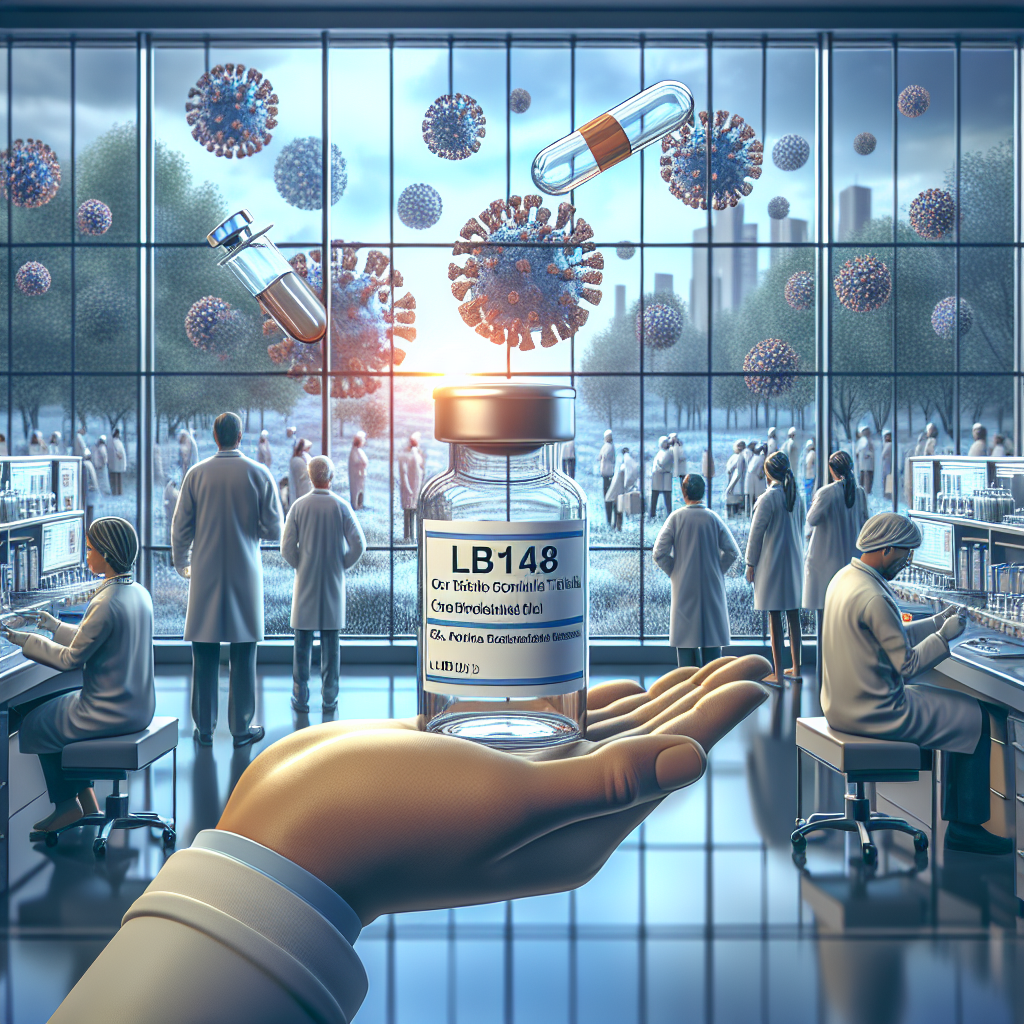
Palisade Bio, a biopharmaceutical company, has announced they’ve begun dosing patients in a clinical trial for fibrostenotic Crohn’s disease. This form of Crohn’s is characterized by scar tissue formation that can lead to painful bowel blockages. Their drug candidate, called LB1148, is designed to reduce or prevent fibrosis—the thickening and scarring of tissue that causes so many problems for Crohn’s patients.
The study is called the ADMISSION trial, and it will evaluate both the safety and effectiveness of this potential treatment in patients who have already experienced significant complications from their Crohn’s disease. According to CEO J.D. Finley, this represents an important effort to provide alternatives to invasive surgery and better long-term management options for patients who desperately need them.
This post summarizes reporting from Investing. Our analysis represents IBD Movement’s perspective and is intended to help patients understand how this news may affect them. Read the original article for complete details.
What This Means for the IBD Community
Let’s be honest—when you’re dealing with fibrostenotic Crohn’s, you’re often facing some of the toughest aspects of this disease. The scarring and narrowing of intestinal passages doesn’t just cause physical symptoms; it creates a psychological burden that’s hard to describe to those who haven’t lived it. Every meal becomes a calculation, every abdominal pain triggers anxiety about whether this might be “the one” that leads to an emergency room visit or urgent surgery.
What makes this development particularly significant is that fibrostenotic Crohn’s has historically been treated primarily through surgical intervention—removing the scarred sections of bowel. While surgery can provide relief, it’s not a cure, and each procedure comes with risks, recovery time, and the reality that Crohn’s can return to affect other areas. For many patients, the prospect of repeated surgeries throughout their lifetime feels daunting.
LB1148’s approach—targeting the fibrosis process itself—represents a fundamentally different strategy. Instead of waiting for scar tissue to form and then surgically removing it, this treatment aims to prevent or reduce the scarring in the first place. Think of it like treating rust prevention in a car rather than just replacing rusted parts after the damage is done.
For patients currently managing fibrostenotic Crohn’s, this news brings several important considerations. First, it validates what many have felt for years—that this particular manifestation of Crohn’s deserves dedicated research attention. Too often, those with complex or severe forms of IBD feel forgotten by the medical community, as if their cases are “too hard” or “too rare” to warrant investigation.
The timing is also noteworthy. We’re seeing increased recognition that Crohn’s disease isn’t just one condition but rather a spectrum of different disease patterns, each potentially requiring tailored approaches. This move toward precision medicine in IBD treatment could mean that future therapies are designed specifically for your type of Crohn’s, rather than the one-size-fits-all approach that has dominated treatment for decades.
Questions to Discuss with Your Healthcare Team
If you’re living with fibrostenotic Crohn’s or have experienced strictures, this might be a good time to have some important conversations with your gastroenterologist:
- How does your current treatment plan address fibrosis prevention, not just inflammation control?
- What are the early warning signs of stricture development that you should watch for?
- Are there clinical trials for fibrostenotic Crohn’s that might be appropriate for your situation?
- How does your medical team balance the timing of surgical intervention versus medical management?
- What new monitoring techniques might help track fibrosis development before it becomes symptomatic?
It’s also worth discussing your long-term care plan. Even if LB1148 proves successful, it will likely be several years before it reaches market. Understanding your current options and having a proactive plan can help you feel more in control of your care journey.
The Broader Picture in IBD Research
This development fits into a larger trend we’re seeing in IBD research—a move beyond just controlling inflammation to addressing the long-term consequences of chronic intestinal disease. For too long, success in Crohn’s treatment was measured primarily by symptom relief and inflammatory markers. But patients and researchers increasingly recognize that preventing structural damage to the intestines is equally important for long-term quality of life.
We’re also seeing more companies willing to tackle the “difficult” presentations of IBD. Fibrostenotic disease, perianal Crohn’s, and other complex manifestations have historically been underserved by pharmaceutical development, partly because they’re more challenging to study and the patient populations are smaller. The fact that Palisade Bio is specifically targeting this area suggests a growing recognition that all IBD patients deserve treatment innovation, not just those with the most common presentations.
This reflects a broader maturation in how we understand and approach chronic diseases. Rather than viewing complications as inevitable consequences to be managed after they occur, we’re moving toward preventing those complications entirely. This shift in thinking could transform not just how we treat fibrostenotic Crohn’s, but how we approach IBD care generally.
Looking Ahead: Realistic Expectations
While this news is genuinely encouraging, it’s important to maintain realistic expectations about the timeline and process ahead. Clinical trials, particularly for conditions as complex as fibrostenotic Crohn’s, take time. The ADMISSION trial will need to demonstrate not only that LB1148 is safe, but that it actually prevents or reduces fibrosis in real patients over meaningful time periods.
Even if everything goes perfectly, we’re likely looking at several years before this treatment might become available. That doesn’t diminish the importance of this step—every major breakthrough in IBD treatment started with a first patient receiving a first dose in a clinical trial. But it does mean that those currently dealing with fibrostenotic Crohn’s shouldn’t delay appropriate care while waiting for new options to emerge.
What this development does provide, though, is something perhaps even more valuable in the short term: validation and hope. Validation that your struggles with this complex form of Crohn’s are recognized and being actively addressed by researchers. Hope that the future of fibrostenotic Crohn’s treatment might look very different from today’s limited options.
For families and caregivers, this news also brings important perspective. Watching someone you love struggle with repeated complications, surgeries, and limited treatment options can feel helpless. Knowing that innovative approaches are being developed specifically for these challenging cases can provide emotional relief even before any new treatments become available.
The road ahead for LB1148 will involve careful monitoring of patient responses, detailed analysis of safety data, and hopefully, evidence of meaningful clinical benefit. But today marks an important milestone—the beginning of a systematic investigation into whether we can change the natural history of fibrostenotic Crohn’s disease. For a condition that has long felt like a series of inevitable complications, the possibility of prevention represents a fundamental shift in how we might approach treatment.
This research also opens doors for future innovation. If LB1148 proves successful, it could pave the way for other anti-fibrotic approaches, combination therapies, or even preventive treatments for patients at high risk of developing strictures. Sometimes the most important aspect of a clinical trial isn’t just the specific drug being tested, but the proof of concept it provides for an entire therapeutic approach.
IBD Movement provides information for educational purposes only. This content is not intended to be a substitute for professional medical advice, diagnosis, or treatment. Always seek the advice of your physician or other qualified health provider with any questions you may have regarding a medical condition.
Related Posts

New Research Links Certain Occupations to Higher IBD Risk: What This Means for Your Career and Health
February 28, 2026
Eli Lilly’s Omvoh Shows Promise for Crohn’s Disease: What This Breakthrough Could Mean for Your Treatment Journey
February 27, 2026
Could Your Cholesterol Medication Help Your IBD? New Research Reveals Surprising Connection
February 27, 2026