New Research Reveals How Gut Cells Could Transform IBD Healing
Summary of Medical Xpress
IBD Movement provides news analysis and insights for the IBD community. Always consult your healthcare provider for personal medical advice.
Hope on the Horizon: Understanding Your Body’s Natural Healing Mechanisms
For anyone living with inflammatory bowel disease, the constant cycle of inflammation and healing can feel overwhelming. But what if your own gut cells held the key to better recovery? Recent research is shedding new light on how specific cells in our intestines work to repair damage, offering fresh hope for more effective IBD treatments. This breakthrough could fundamentally change how we approach healing in Crohn’s disease and ulcerative colitis, potentially leading to therapies that work with your body’s natural repair systems rather than simply suppressing inflammation.
What the Research Reveals
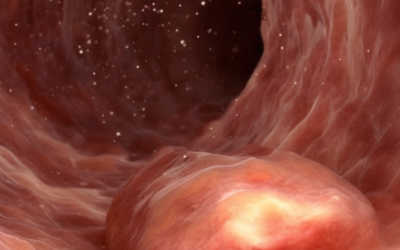
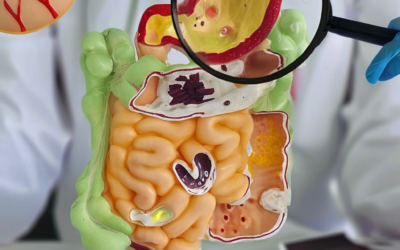
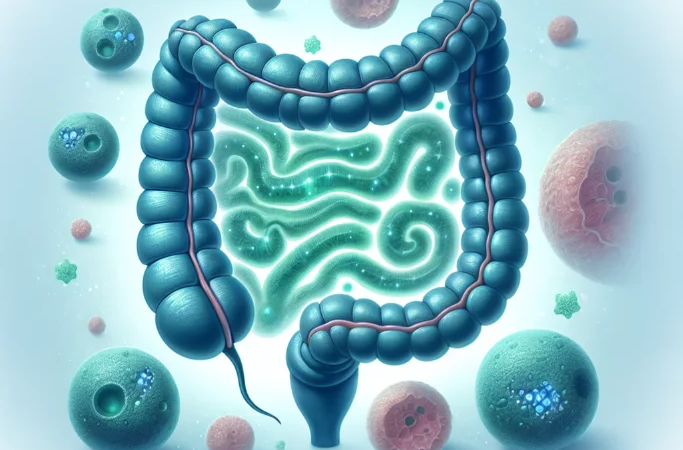
According to Medical Xpress, new scientific findings have identified specific gut cells that play a crucial role in intestinal healing, offering promising implications for people with IBD. The research focuses on understanding the cellular mechanisms that drive tissue repair in the digestive tract, particularly how certain cell populations contribute to restoring damaged intestinal tissue.
The study highlights the complex interplay between different cell types in the gut lining and their ability to coordinate healing responses. Researchers have identified key cellular pathways that could be targeted therapeutically, potentially leading to more effective treatments for inflammatory bowel diseases like Crohn’s disease and ulcerative colitis.
This research represents a significant step forward in understanding the fundamental biology of intestinal repair, moving beyond traditional approaches that primarily focus on reducing inflammation to exploring how we can actively promote healing and tissue regeneration.
What This Means for Your IBD Journey
This research represents a paradigm shift in how we might approach IBD treatment in the future. For decades, the primary focus has been on controlling inflammation through immunosuppressive medications, but this new understanding of gut cell healing mechanisms opens up entirely different therapeutic possibilities.
The significance for people with IBD cannot be overstated. Currently, many patients experience a frustrating cycle where symptoms improve with treatment, only to return when medications are reduced or stopped. The challenge has always been that while we can suppress inflammation, we haven’t been as successful at promoting actual healing of the damaged tissue. This research suggests we might be able to develop treatments that actively encourage your gut to repair itself more effectively.
What makes this particularly exciting is the potential for personalized medicine approaches. Different people with IBD have varying healing responses, and understanding the cellular mechanisms involved could help doctors identify which patients might benefit most from healing-focused therapies versus traditional anti-inflammatory treatments. This could lead to more targeted, effective treatment plans tailored to your specific condition and healing capacity.
For those dealing with complications like strictures, fistulas, or persistent inflammation despite treatment, this research offers hope for addressing the underlying tissue damage that contributes to these challenging aspects of IBD. Rather than just managing symptoms, future treatments might actually help restore normal gut function by supporting the body’s natural healing processes.
The research also has implications for understanding why some people with IBD heal better than others. Factors like genetics, gut microbiome composition, and overall health status all influence healing capacity. By understanding the cellular mechanisms involved, researchers might be able to identify biomarkers that predict healing potential or develop interventions to enhance it.
This could be particularly transformative for pediatric IBD patients, where promoting proper growth and development while managing disease is crucial. Treatments that support natural healing could potentially reduce the long-term complications associated with chronic inflammation during critical developmental years.
For patients who have struggled with medication side effects, this research opens the door to potentially gentler treatment approaches. Instead of broadly suppressing the immune system, future therapies might work more specifically with the body’s natural repair mechanisms, potentially reducing the risk of infections and other complications associated with current treatments.
Expert Perspective on Healing-Focused Treatments
Gastroenterologists and IBD specialists have long recognized that successful treatment involves more than just controlling inflammation. The concept of “mucosal healing” – where the intestinal lining actually repairs itself – has become increasingly important in defining treatment success. This research provides crucial insights into the cellular mechanisms that make mucosal healing possible.
Medical experts emphasize that while this research is promising, translating these findings into practical treatments will take time. Patients should continue working with their healthcare teams on current evidence-based treatments while staying informed about emerging therapies. It’s important to discuss with your doctor how this type of research might eventually impact your treatment plan and what clinical trials might be available in the future.
Practical Implications for IBD Patients
- Stay engaged with your medical team: Discuss how emerging healing-focused research might eventually complement your current treatment approach
- Consider participating in research: Ask about clinical trials investigating novel healing therapies if you’re interested in contributing to advancing IBD treatment
- Focus on factors that support healing: While waiting for new treatments, maintain good nutrition, manage stress, and follow your current medication regimen to optimize your body’s natural healing capacity
- Monitor treatment goals: Work with your doctor to establish clear healing objectives beyond just symptom control, including mucosal healing when appropriate
- Stay informed about research developments: Keep up with credible sources about IBD research to understand how new discoveries might eventually benefit your care
Looking Toward a Brighter Future
This research represents more than just another scientific discovery – it’s a beacon of hope for the IBD community. The possibility of treatments that work with our bodies’ natural healing mechanisms rather than simply suppressing disease activity could transform how we live with inflammatory bowel disease.
While we await the development of these potential therapies, this research reminds us that our bodies possess remarkable healing capabilities that science is only beginning to understand. Each new discovery brings us closer to more effective, personalized treatments that could improve quality of life for millions of people living with IBD.
What aspects of this research resonate most with your IBD experience? Share your thoughts and questions with our community – together, we can stay informed and support each other as we navigate the evolving landscape of IBD treatment and research.
Source: This post summarizes reporting from Medical Xpress. Read the original article.
Related Posts

New Research Links Certain Occupations to Higher IBD Risk: What This Means for Your Career and Health
February 28, 2026
Eli Lilly’s Omvoh Shows Promise for Crohn’s Disease: What This Breakthrough Could Mean for Your Treatment Journey
February 27, 2026
Could Your Cholesterol Medication Help Your IBD? New Research Reveals Surprising Connection
February 27, 2026