New Research Reveals How Gut Lining and Immune System Communicate in IBD

Summary of Dove Medical Press
IBD Movement provides news analysis and insights for the IBD community. Always consult your healthcare provider for personal medical advice.
Understanding the Hidden Conversations in Your Gut
If you’re living with Crohn’s disease or ulcerative colitis, you know your digestive system can feel like it’s working against you. But what if understanding the intricate conversations happening between your intestinal lining and immune system could unlock better treatment approaches? New research published in the Journal of Inflammation Research is shedding light on these complex interactions, offering hope for more targeted therapies that could transform how we manage IBD.
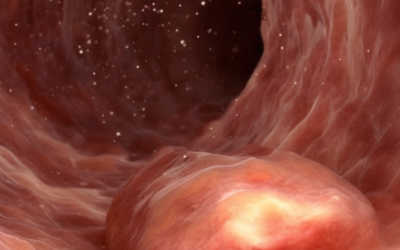
This groundbreaking study explores the bidirectional crosstalk between intestinal epithelium and immune cells – essentially, how your gut lining and immune system “talk” to each other. For those of us in the IBD community, this research represents a crucial step toward understanding why our bodies sometimes turn against our own digestive systems.
What the Research Reveals
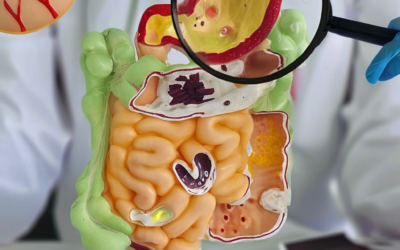
According to Dove Medical Press, this comprehensive study examines the complex communication pathways between the intestinal epithelium – the protective barrier lining your digestive tract – and the immune microenvironment surrounding it. The research focuses on how these two critical systems influence each other in both healthy individuals and those with inflammatory bowel diseases.
The study highlights that this communication isn’t a one-way street. Rather, it’s a sophisticated dialogue where the intestinal lining sends signals to immune cells, which then respond by sending their own messages back. This bidirectional conversation plays a fundamental role in maintaining gut health or, when disrupted, contributing to the chronic inflammation characteristic of IBD.
The research published in the Journal of Inflammation Research emphasizes how disruptions in this cellular communication can lead to the breakdown of intestinal barrier function, increased permeability (often called “leaky gut”), and the persistent immune activation that drives IBD symptoms. The study explores various molecular pathways and signaling mechanisms that facilitate this crosstalk, providing insights into potential therapeutic targets.
What This Means for Your IBD Journey
This research is particularly significant for our community because it helps explain some of the fundamental mechanisms behind why IBD develops and persists. When you experience symptoms like abdominal pain, diarrhea, or fatigue, you’re witnessing the end result of disrupted communication between your gut lining and immune system.
Understanding this bidirectional crosstalk opens up several important implications for IBD management. First, it reinforces why maintaining intestinal barrier integrity is so crucial for managing your condition. Your intestinal epithelium serves as the first line of defense against harmful bacteria and toxins, while also allowing beneficial nutrients to pass through. When this barrier becomes compromised – often called increased intestinal permeability – it can trigger immune responses that perpetuate inflammation.
The research also helps explain why IBD treatments that target both the immune system and gut barrier function tend to be more effective than those focusing on just one aspect. Medications like biologics work by modulating immune responses, but their success often depends on how well they can restore the normal communication patterns between epithelial and immune cells.
From a practical standpoint, this research validates many of the lifestyle interventions that IBD patients find helpful. Diet modifications, stress management, and sleep optimization may all influence this epithelial-immune crosstalk. For instance, certain foods can either support or disrupt the intestinal barrier, while chronic stress can alter immune cell behavior and epithelial cell function.
The study’s findings also suggest why personalized medicine approaches are becoming increasingly important in IBD care. Since the specific patterns of epithelial-immune communication can vary between individuals, what works for one person with Crohn’s disease or ulcerative colitis might not be as effective for another. This research provides a framework for understanding these individual differences at a cellular level.
Furthermore, this research may explain why some people develop IBD while others with similar genetic predispositions do not. The quality and patterns of epithelial-immune crosstalk may serve as a determining factor in whether genetic susceptibility translates into active disease. This insight could eventually lead to preventive strategies for high-risk individuals.
The implications extend to how we monitor disease activity as well. Current methods of assessing IBD often rely on symptoms, blood tests, and imaging studies. However, understanding epithelial-immune communication patterns could lead to more sophisticated biomarkers that provide earlier detection of flares or better prediction of treatment responses.
Expert Perspective on Clinical Applications
Gastroenterologists and IBD specialists increasingly recognize that successful treatment requires addressing both immune dysfunction and intestinal barrier integrity. This research provides the scientific foundation for combination therapy approaches that are becoming standard in IBD care.
When discussing this research with your healthcare team, consider asking about how your current treatments might be affecting epithelial-immune communication. Questions about gut barrier support, the timing of different medications, and potential synergistic effects between treatments could lead to more personalized care strategies.
Medical experts suggest that this type of research will likely influence future drug development, with pharmaceutical companies focusing on therapies that can restore normal communication patterns rather than simply suppressing immune responses.
Actionable Takeaways for IBD Patients
- Discuss barrier support with your doctor: Ask about strategies to maintain intestinal epithelial integrity alongside your current IBD treatments
- Consider comprehensive approaches: Lifestyle factors like diet, stress management, and sleep may influence epithelial-immune communication patterns
- Track patterns in your symptoms: Understanding how different factors affect your gut barrier function could help identify personal triggers
- Stay informed about emerging therapies: Future treatments may specifically target epithelial-immune crosstalk pathways
- Advocate for personalized care: This research supports the importance of individualized treatment approaches based on your specific disease patterns
Looking Forward with Hope
This research represents more than just academic advancement – it’s a roadmap toward more effective, personalized IBD treatments. By understanding how your gut lining and immune system communicate, researchers are uncovering new targets for therapy that could lead to better symptom control and potentially even disease modification.
While we await the translation of these findings into new treatments, this research validates the complexity of IBD and reinforces why comprehensive, individualized care approaches are so important. It also highlights the value of maintaining hope as our understanding of these diseases continues to evolve.
What aspects of this research resonate most with your IBD experience? Share your thoughts and questions in the comments below – your insights help strengthen our community’s understanding of these complex conditions.
Source: This post summarizes reporting from Dove Medical Press. Read the original article.
Related Posts

New Research Links Certain Occupations to Higher IBD Risk: What This Means for Your Career and Health
February 28, 2026
Eli Lilly’s Omvoh Shows Promise for Crohn’s Disease: What This Breakthrough Could Mean for Your Treatment Journey
February 27, 2026
Could Your Cholesterol Medication Help Your IBD? New Research Reveals Surprising Connection
February 27, 2026