Hope Beyond Medications: New Nerve Therapy Shows Promise for IBD
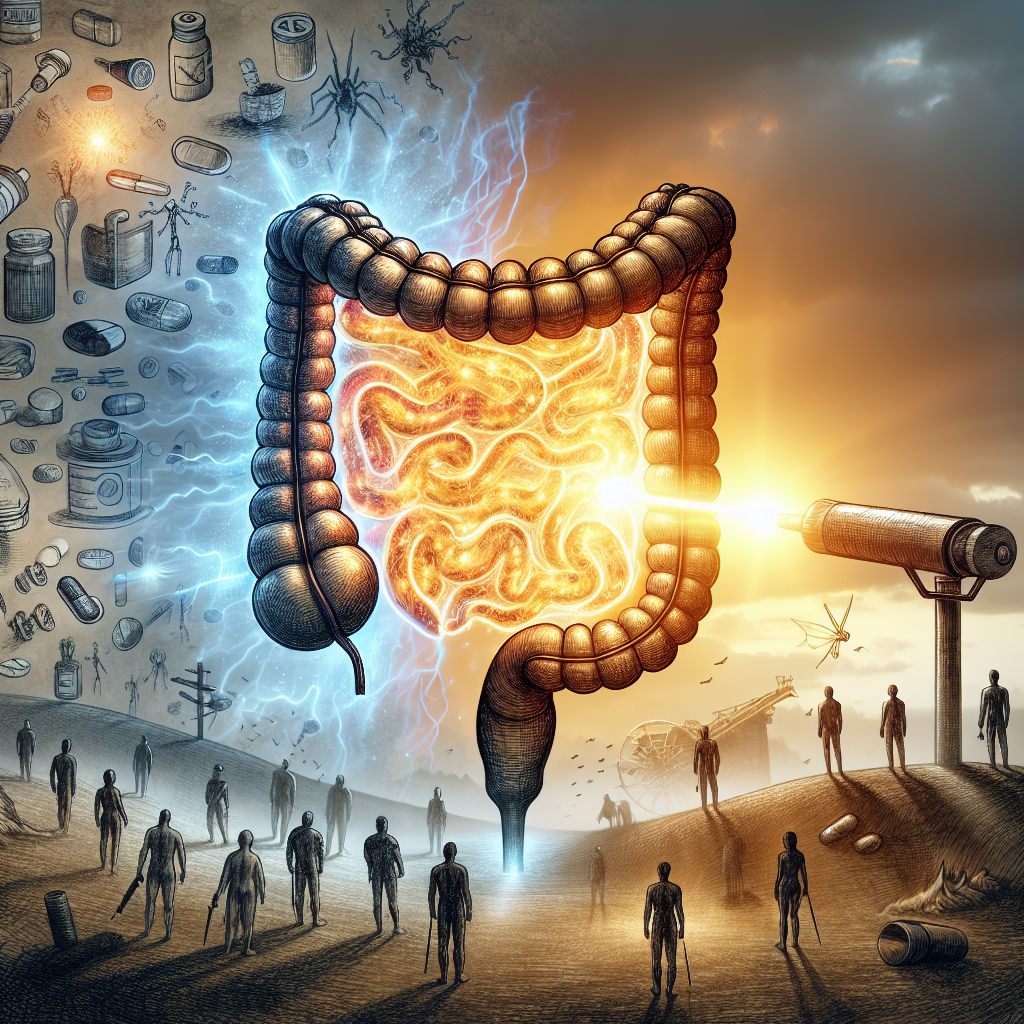
Some days, the weight of managing IBD feels overwhelming. You’ve tried medication after medication, endured side effects that sometimes feel worse than the disease itself, and wondered if there’s anything left to try. If you’re nodding along, you’re not alone—and there might be reason for renewed hope on the horizon.
What if instead of battling your immune system with powerful drugs, there was a way to gently guide it back into balance? A new approach using gentle electrical signals is showing promise in early trials, offering a completely different path forward for those of us living with inflammatory bowel disease.
Summary of Read the full feature here.
Boomerang Medical has developed a device that uses gentle electrical pulses to target the nerves that connect your gut, brain, and immune system. Instead of introducing medications into your body, this technology works with your body’s existing nerve pathways to help reduce inflammation naturally.
The device is currently in clinical trials and represents a completely new approach to IBD treatment. Rather than suppressing your immune system broadly or targeting specific inflammatory proteins, this nerve stimulation therapy aims to restore the natural balance between your nervous system and immune response.
The technology was developed by a team led by women in Silicon Valley, and early trial enrollment has been encouraging, suggesting the IBD community is eager for innovative treatment options that don’t rely on traditional pharmaceutical approaches.
This post summarizes reporting from Read the full feature here.. Our analysis represents IBD Movement’s perspective and is intended to help patients understand how this news may affect them. Read the original article for complete details.
What This Means for the IBD Community
This development represents something we haven’t seen in IBD treatment for a long time: a completely different approach that doesn’t rely on suppressing our immune systems or introducing foreign substances into our bodies. For those of us who have experienced medication failures, serious side effects, or simply want alternatives to lifelong drug regimens, this could be game-changing.
Think about what this could mean for your daily life. Instead of timing meals around medication schedules, worrying about drug interactions, or managing side effects that sometimes feel worse than IBD symptoms themselves, you might have a treatment option that works with your body’s natural systems. The idea of a therapy that doesn’t compromise your immune system—especially important for those concerned about infection risks—is particularly appealing.
From a practical standpoint, nerve stimulation therapy could potentially reduce the medication burden that so many of us carry. While we don’t yet know the full details of how this device would be used—whether it’s implanted, worn externally, or used in clinical settings—the concept offers hope for those seeking treatment approaches that don’t involve regular injections, daily pills, or frequent monitoring for drug-related complications.
This technology also addresses something many of us have felt instinctively: that our gut problems are deeply connected to our nervous system and overall stress response. The gut-brain connection isn’t just a trendy wellness concept—it’s real science, and therapies that work with this connection rather than against it make intuitive sense to those of us living with IBD.
For caregivers and family members, this type of treatment could mean fewer emergency medication decisions, less worry about side effects, and potentially more predictable management of symptoms. The emotional toll of watching a loved one cycle through medication after medication is real, and alternatives that work differently could provide relief for entire families.
Questions to Consider
If you’re intrigued by this approach, here are some questions you might want to discuss with your healthcare team:
- How might nerve stimulation therapy fit into your current treatment plan?
- What would the timeline look like for this type of treatment to become available?
- Are there ways to support your gut-brain connection while waiting for new therapies?
- How can you stay informed about clinical trials for innovative IBD treatments?
It’s also worth considering how this fits into the broader landscape of IBD research. We’re seeing more personalized medicine approaches, treatments that work with rather than against our body systems, and recognition that IBD affects the whole person, not just the digestive tract. This nerve stimulation technology fits perfectly into these trends.
The Bigger Picture
What excites me most about this development isn’t just the potential treatment itself—it’s what it represents. For too long, IBD treatment has felt like a series of compromises: trading symptoms for side effects, managing one problem while creating others, or accepting that “good enough” is the best we can hope for.
This nerve stimulation approach suggests we might not have to make those compromises forever. It represents hope for treatments that enhance rather than burden our quality of life, that work with our bodies rather than against them, and that treat IBD as the complex, whole-body condition it really is.
The fact that this technology was developed by women-led teams also matters. Historically, medical research has often overlooked women’s experiences and needs, and IBD disproportionately affects women during their reproductive years. Having diverse perspectives in research and development can lead to treatments that better serve our community’s real-world needs.
While we wait for more data from clinical trials, this news reminds us that innovation in IBD treatment is accelerating. The landscape of possibilities is expanding, and treatments that seemed impossible just a few years ago are moving closer to reality.
The development of nerve stimulation therapy for IBD offers genuine hope for those seeking alternatives to traditional medication approaches. While still in early stages, this technology represents a fundamentally different way of thinking about IBD treatment—one that works with our body’s natural systems rather than against them. For a community that has often felt limited to choosing between imperfect options, having new possibilities on the horizon feels like a gift.
As we continue to advocate for better treatments and support each other through the challenges of living with IBD, innovations like this remind us that better days may be ahead. The future of IBD treatment is being written now, and it’s looking brighter than it has in years.
IBD Movement provides information for educational purposes only. This content is not intended to be a substitute for professional medical advice, diagnosis, or treatment. Always seek the advice of your physician or other qualified health provider with any questions you may have regarding a medical condition.
Related Posts

New Research Links Certain Occupations to Higher IBD Risk: What This Means for Your Career and Health
February 28, 2026
Eli Lilly’s Omvoh Shows Promise for Crohn’s Disease: What This Breakthrough Could Mean for Your Treatment Journey
February 27, 2026
Could Your Cholesterol Medication Help Your IBD? New Research Reveals Surprising Connection
February 27, 2026