How One Surgeon Changed Colorectal Care Forever
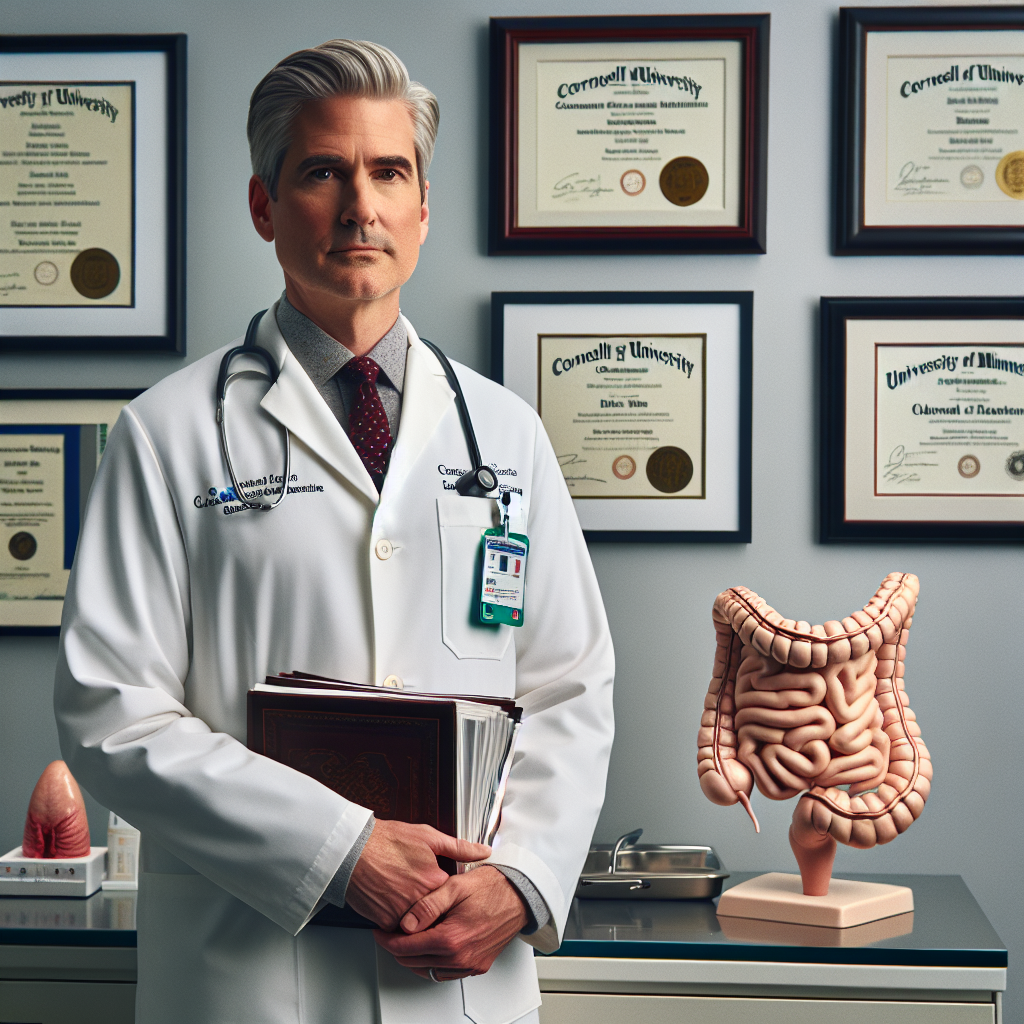
When you’re facing IBD surgery, especially procedures involving your rectum or colon, it’s natural to feel overwhelmed by uncertainty. Will I have quality of life afterward? Will I be able to maintain my dignity and independence? These are the deeply personal questions that keep patients awake at night, and they’re questions that Dr. Steven D. Wexner has dedicated his career to answering with hope and innovation.
For those of us in the IBD community who have faced or may face complex surgeries, understanding the pioneers who have transformed surgical care can provide both comfort and insight into how far treatment has come—and where it’s headed.
Summary of this link
Dr. Steven D. Wexner has fundamentally transformed colorectal surgery through groundbreaking innovations and compassionate care approaches. His development of procedures like the colonic J-pouch reconstruction has significantly improved outcomes for patients with rectal cancer and incontinence issues. Before his work, treatment options were much more limited, often leaving patients with fewer choices for maintaining quality of life. Beyond his surgical innovations, Dr. Wexner has committed himself to education and knowledge sharing through teaching, publishing research, and organizing global medical symposia. His approach combines technical expertise with deep empathy for patients, creating a legacy that extends far beyond individual procedures to influence how colorectal care is delivered worldwide.
This post summarizes reporting from this link. Our analysis represents IBD Movement’s perspective and is intended to help patients understand how this news may affect them. Read the original article for complete details.
What This Means for the IBD Community
Dr. Wexner’s contributions to colorectal surgery have profound implications for IBD patients, many of whom may require surgical intervention at some point in their journey. His work on procedures like the J-pouch reconstruction is particularly significant for those with ulcerative colitis who need total colectomy—a surgery that removes the entire colon.
The J-pouch procedure, technically called ileal pouch-anal anastomosis (IPAA), creates an internal pouch from the small intestine that functions similarly to a rectum. This innovation means that many UC patients can avoid a permanent ostomy bag while maintaining bowel control and near-normal bathroom habits. Before techniques like this were refined, patients facing total colectomy often had fewer options for preserving their quality of life and body image.
For Crohn’s disease patients, while the J-pouch isn’t typically an option due to the nature of the disease, Dr. Wexner’s broader contributions to minimally invasive techniques and surgical precision have improved outcomes across all colorectal procedures. His emphasis on preserving anal sphincter function whenever possible has been crucial for patients who require bowel resections or other complex surgeries.
The Ripple Effect of Surgical Innovation
What makes Dr. Wexner’s legacy particularly meaningful for our community is how his commitment to education has multiplied his impact. When one surgeon develops a better technique and then teaches it to hundreds of others through conferences, publications, and training programs, patients around the world benefit. This means that even if you never see Dr. Wexner personally, you may still benefit from surgical techniques and approaches that trace back to his innovations.
This educational aspect is crucial in IBD care, where surgical expertise can vary significantly between medical centers. Dr. Wexner’s emphasis on standardizing excellence and sharing knowledge helps ensure that high-quality surgical care becomes more widely available, not just concentrated in a few major medical centers.
Questions to Discuss with Your Healthcare Team
If you’re facing the possibility of IBD surgery, Dr. Wexner’s legacy highlights several important questions you might want to discuss with your surgical team:
- What specific surgical techniques will be used, and how do they compare to older methods?
- How many similar procedures has your surgeon performed?
- What options are available for preserving bowel function and quality of life?
- Does your surgical center participate in continuing education programs or research initiatives?
- What support resources are available for recovery and long-term management?
The Intersection of Innovation and Empathy
Perhaps most importantly for IBD patients, Dr. Wexner’s approach exemplifies how the best medical care combines cutting-edge technique with genuine empathy for patient experience. This matters enormously when you’re facing surgery that affects such intimate aspects of daily life—bowel function, body image, and overall quality of life.
His focus on preserving dignity alongside improving outcomes reflects an understanding that successful surgery isn’t just about technical success—it’s about helping patients return to meaningful, fulfilling lives. This perspective has influenced how many surgeons approach patient care, emphasizing communication, realistic expectation-setting, and comprehensive support throughout the surgical journey.
Looking Forward: Continuing Innovation
The legacy Dr. Wexner has built also points toward exciting future developments in IBD surgical care. His emphasis on minimally invasive techniques has paved the way for even more advanced approaches, including robotic surgery and enhanced recovery protocols. The foundation he laid in surgical education continues to produce new generations of skilled colorectal surgeons who carry forward the combination of technical excellence and patient-centered care.
For current IBD patients, this ongoing innovation means that surgical options will likely continue improving. Procedures may become less invasive, recovery times shorter, and outcomes better. The culture of continuous learning and improvement that pioneers like Dr. Wexner established helps ensure that progress doesn’t stop with one generation of innovation.
Dr. Wexner’s remarkable career reminds us that medical progress often comes from individuals who refuse to accept “that’s just how it’s done.” His willingness to challenge conventional approaches and develop better solutions has created hope and improved outcomes for countless patients facing some of the most challenging surgical situations.
Whether you’re currently managing IBD with medication, considering surgical options, or supporting someone through their treatment journey, stories like Dr. Wexner’s offer reassurance that the medical community continues pushing forward, always working toward better solutions for the challenges we face. His legacy lives on not just in the procedures he developed, but in the standard of excellence and compassion he established for others to follow.
IBD Movement provides information for educational purposes only. This content is not intended to be a substitute for professional medical advice, diagnosis, or treatment. Always seek the advice of your physician or other qualified health provider with any questions you may have regarding a medical condition.
Related Posts

New Research Links Certain Occupations to Higher IBD Risk: What This Means for Your Career and Health
February 28, 2026
Eli Lilly’s Omvoh Shows Promise for Crohn’s Disease: What This Breakthrough Could Mean for Your Treatment Journey
February 27, 2026
Could Your Cholesterol Medication Help Your IBD? New Research Reveals Surprising Connection
February 27, 2026