Revolutionary Blood Test Could Detect IBD Risk Years Before Symptoms Emerge
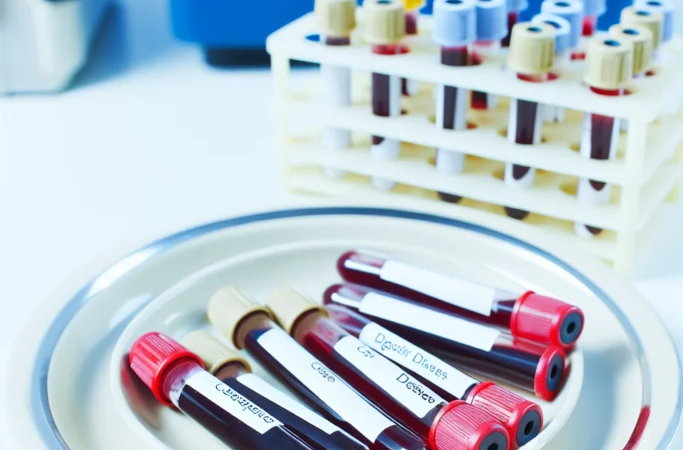
Summary of Fox News
IBD Movement provides news analysis and insights for the IBD community. Always consult your healthcare provider for personal medical advice.
A Game-Changing Development for Early IBD Detection
Imagine if you could know your risk for developing inflammatory bowel disease years before experiencing your first symptom – before the cramping, the urgency, the sleepless nights wondering what’s wrong with your body. For the millions of people living with IBD and the countless others who may develop it, this scenario might soon become reality. A groundbreaking blood test that can flag digestive disease risk years before symptoms appear represents one of the most significant advances in IBD detection we’ve seen in decades, potentially transforming how we approach prevention and early intervention in our community.
The Science Behind Early Detection
According to Fox News, researchers have developed a revolutionary blood test capable of identifying individuals at risk for digestive diseases, including inflammatory bowel disease, years before clinical symptoms manifest. This breakthrough represents a significant leap forward in predictive medicine, utilizing advanced biomarker analysis to detect subtle changes in blood chemistry that precede the onset of digestive disorders.
The test works by analyzing specific protein markers and inflammatory indicators in the blood that become elevated long before patients experience the typical symptoms of IBD, such as abdominal pain, diarrhea, or rectal bleeding. According to the research, these biomarkers can be detected up to several years before traditional diagnostic methods would identify the disease, potentially allowing for much earlier intervention strategies.
The development comes at a crucial time when IBD rates are rising globally, with an estimated 3 million adults in the United States currently living with the condition. Early detection could dramatically improve outcomes for future patients by enabling preventive measures and early treatment protocols that might slow or even prevent disease progression.
What This Breakthrough Means for the IBD Community
This development represents a paradigm shift that could fundamentally change the IBD journey for countless individuals. Currently, the path to an IBD diagnosis is often long, frustrating, and marked by uncertainty. Many people with IBD report experiencing symptoms for months or even years before receiving a proper diagnosis, during which time inflammation can cause irreversible damage to the digestive tract.
The implications of early detection extend far beyond simply knowing sooner. When IBD is caught in its earliest stages – or even before symptoms develop – there’s a much greater opportunity to preserve intestinal health and prevent the complications that can arise from prolonged inflammation. This could mean fewer hospitalizations, reduced need for surgery, and a significantly better quality of life for people who might otherwise develop severe IBD.
For families with a history of IBD, this test could provide invaluable peace of mind or early warning. Genetic predisposition plays a significant role in IBD development, and family members of people with Crohn’s disease or ulcerative colitis often live with the anxiety of wondering if they’ll develop the condition. A predictive blood test could either alleviate these concerns or provide the early warning needed to take proactive steps.
The psychological impact cannot be understated. Many people with IBD describe the relief they felt upon finally receiving a diagnosis after years of being told their symptoms were “just stress” or “nothing serious.” A predictive test could eliminate this diagnostic odyssey entirely, providing clarity and enabling immediate access to appropriate medical care and support systems.
From a treatment perspective, early detection opens up possibilities that simply don’t exist once IBD has progressed. Preventive therapies, lifestyle modifications, and dietary interventions may be more effective when implemented before significant intestinal damage occurs. This could include targeted anti-inflammatory protocols, personalized nutrition plans, stress management programs, and even experimental treatments designed to prevent disease onset rather than manage existing symptoms.
The test could also revolutionize how we think about IBD screening. Just as we routinely screen for conditions like colon cancer or heart disease, predictive IBD testing could become part of regular preventive healthcare, particularly for individuals with risk factors such as family history, certain genetic markers, or environmental exposures known to increase IBD risk.
However, this advancement also raises important questions about what comes next. If someone tests positive for IBD risk years before symptoms appear, what interventions are available? How do we balance the benefits of early knowledge with the potential psychological burden of knowing you’re at risk for a chronic condition? These are conversations our community will need to have as this technology becomes more widely available.
Expert Perspectives and Medical Context
Gastroenterologists and IBD specialists have long recognized that earlier detection leads to better outcomes in inflammatory bowel disease. The current approach to IBD diagnosis typically involves waiting for symptoms to develop and then using a combination of blood tests, imaging studies, and colonoscopy to confirm the diagnosis – a process that can take months or years.
Medical experts emphasize that while this predictive testing represents a significant advancement, it should be viewed as one tool in a comprehensive approach to IBD prevention and management. Patients who might benefit from this testing should discuss their individual risk factors with their healthcare providers, including family history, previous digestive issues, and other potential risk factors.
The medical community also stresses the importance of understanding that a positive test result doesn’t guarantee that someone will develop IBD – it simply indicates increased risk. This distinction is crucial for managing patient expectations and preventing unnecessary anxiety while still enabling appropriate preventive measures.
Practical Implications for IBD Patients and Families
- Family screening opportunities: Relatives of people with IBD may want to discuss predictive testing with their doctors, particularly siblings and children who have higher genetic risk.
- Enhanced monitoring protocols: Those who test positive for increased risk could benefit from more frequent check-ups and early symptom monitoring, potentially catching IBD at its very earliest stages.
- Preventive lifestyle modifications: Early risk identification could motivate beneficial changes in diet, stress management, and other lifestyle factors that may influence IBD development.
- Research participation opportunities: Individuals identified as high-risk could contribute to important research studies focused on IBD prevention and early intervention strategies.
- Insurance and healthcare planning: Early risk identification might influence healthcare planning decisions and insurance considerations, though this raises important questions about genetic discrimination that will need to be addressed.
Looking Forward: Hope and Realistic Expectations
This breakthrough in predictive IBD testing represents genuine hope for our community, but it’s important to maintain realistic expectations about implementation and accessibility. Like many medical advances, it will likely take time for this testing to become widely available and affordable. The research is still emerging, and more studies will be needed to validate the test’s accuracy across diverse populations and risk profiles.
What’s most exciting about this development is how it reflects the broader trend toward personalized, predictive medicine in IBD care. We’re moving away from a one-size-fits-all approach toward treatments and interventions tailored to individual risk profiles and disease characteristics. This blood test could be just the beginning of a new era in IBD prevention and management.
For our community, this news reinforces the importance of staying engaged with emerging research and maintaining open communication with healthcare providers about new developments. As this technology develops, we encourage readers to share their thoughts and questions about predictive testing – your perspectives help shape how these advances are implemented in real-world clinical practice.
Source: This post summarizes reporting from Fox News. Read the original article.
Related Posts

New Research Links Certain Occupations to Higher IBD Risk: What This Means for Your Career and Health
February 28, 2026
Eli Lilly’s Omvoh Shows Promise for Crohn’s Disease: What This Breakthrough Could Mean for Your Treatment Journey
February 27, 2026
Could Your Cholesterol Medication Help Your IBD? New Research Reveals Surprising Connection
February 27, 2026