Revolutionary Microalgae Robots Could Transform IBD Treatment with Targeted Probiotic Delivery
Summary of bioengineer.org
IBD Movement provides news analysis and insights for the IBD community. Always consult your healthcare provider for personal medical advice.
A New Hope for Precision Medicine in Inflammatory Bowel Disease
Imagine tiny robots swimming through your digestive system, delivering healing probiotics exactly where your inflamed intestines need them most. This isn’t science fiction anymore – it’s the cutting-edge reality that researchers are developing to revolutionize how we treat inflammatory bowel disease. For the millions of people living with Crohn’s disease and ulcerative colitis, this breakthrough could mean more effective treatment with fewer side effects, targeting inflammation at its source rather than flooding the entire body with medication.
This development represents a fundamental shift in how we might approach IBD treatment, moving from the current “one-size-fits-all” approach to truly personalized, precision medicine that works with your body’s natural healing processes.
Groundbreaking Research Combines Nature and Technology
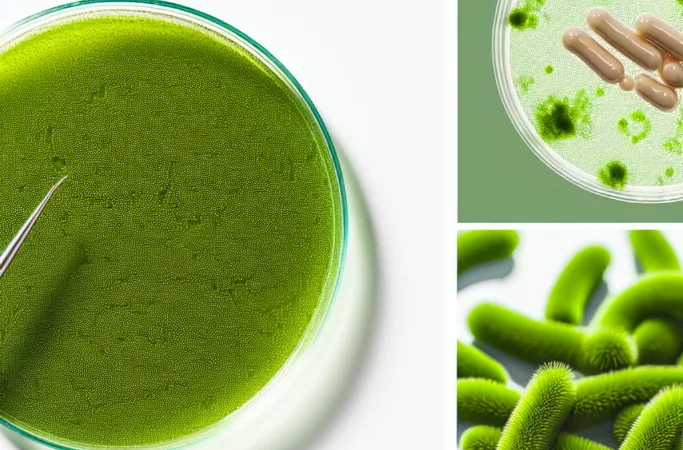
According to bioengineer.org, researchers have successfully developed microscopic robots made from microalgae that can carry and deliver probiotics directly to inflamed areas of the intestine. These innovative “bio-bots” represent a fusion of biotechnology and natural organisms, using living microalgae as the vehicle to transport beneficial bacteria to precisely where they’re needed most in the digestive tract.
The research demonstrates that these microalgae robots can navigate through the complex environment of the intestinal system while protecting their probiotic cargo from the harsh acidic conditions that typically destroy beneficial bacteria before they reach their intended destination. The study shows promising results in laboratory models, with the robots successfully delivering probiotics to inflamed tissue while avoiding healthy areas.
The microalgae themselves offer additional therapeutic benefits beyond just transportation, as they can produce oxygen and other beneficial compounds that may help reduce inflammation and promote healing in damaged intestinal tissue. This dual-action approach – combining the targeted delivery system with the inherent therapeutic properties of the microalgae – could provide a more comprehensive treatment strategy than current methods.
What This Could Mean for Your IBD Journey
For people living with IBD, this research opens up possibilities that could fundamentally change how we experience treatment and management of our condition. Currently, many of us struggle with the limitations of oral probiotics, which often don’t survive the journey through our digestive system to reach the areas where inflammation is most severe. These microalgae robots could solve that problem by acting as protective vehicles, ensuring that beneficial bacteria actually arrive where they can do the most good.
The precision aspect of this technology is particularly exciting for our community. Instead of taking systemic medications that affect your entire body – often causing unwanted side effects – these robots could deliver treatment specifically to inflamed sections of your colon or small intestine. This targeted approach could mean fewer side effects, better outcomes, and potentially lower doses of medication needed to achieve remission.
Consider how this might change the daily reality of managing IBD. Currently, many of us take multiple medications throughout the day, deal with side effects that can be as challenging as the disease itself, and still struggle with unpredictable flares. A treatment system that works at the cellular level, delivering healing compounds exactly where inflammation is occurring, could provide more consistent relief with less disruption to our daily lives.
The implications extend beyond just symptom management. This technology could potentially help prevent the progression of IBD complications. By delivering anti-inflammatory compounds and beneficial bacteria directly to damaged tissue, these robots might help promote actual healing and tissue repair, rather than just suppressing symptoms. This could mean fewer hospitalizations, reduced need for surgery, and better long-term outcomes for people with both Crohn’s disease and ulcerative colitis.
Furthermore, the personalized nature of this approach aligns with what we know about IBD – that it affects each person differently. These robots could potentially be programmed or modified based on your specific disease pattern, targeting the particular areas of your digestive system that are most affected. This level of customization could finally address the frustrating reality that what works for one person with IBD may not work for another.
The psychological impact shouldn’t be overlooked either. Living with IBD often means feeling like your body is working against you. A treatment that harnesses natural organisms to work with your body’s healing processes could provide not just physical relief, but also a sense of hope and empowerment that many of us desperately need in our treatment journey.
Expert Perspective on This Emerging Technology
Medical experts in gastroenterology and biotechnology typically approach such innovations with cautious optimism. While the concept of targeted drug delivery isn’t new, the use of living organisms as delivery vehicles represents a significant advancement in the field. Experts emphasize that this technology would need to undergo extensive clinical trials to establish both safety and efficacy in human patients.
Healthcare providers would likely want to understand how these microalgae robots interact with existing IBD medications, whether they could cause any immune reactions, and how long they remain active in the digestive system. The integration of this technology into current treatment protocols would require careful consideration and likely years of research and testing.
This is definitely something to discuss with your gastroenterologist, particularly if you’re interested in participating in clinical trials or staying informed about emerging treatment options. Your doctor can help you understand how this research might eventually fit into your personal treatment plan and what developments to watch for in the coming years.
Practical Implications for the IBD Community
- Stay informed about clinical trials: As this technology advances, there may be opportunities to participate in research studies that could give you early access to these innovative treatments
- Discuss precision medicine with your doctor: This research highlights the growing trend toward personalized IBD treatment – ask your healthcare team about other targeted therapies that might be appropriate for your specific condition
- Maintain realistic expectations: While promising, this technology is still in early development stages and won’t be available for several years
- Consider current probiotic strategies: While waiting for these advances, work with your healthcare provider to optimize your current probiotic regimen and discuss other targeted treatment options
- Connect with the research community: Follow reputable sources for updates on IBD research and consider joining patient registries that could connect you with future clinical trials
Looking Toward a Brighter Future
This microalgae robot research represents more than just another potential treatment – it symbolizes the innovative thinking and scientific progress that continues to advance IBD care. While we may still be years away from seeing these tiny robots in clinical practice, their development demonstrates the commitment of researchers worldwide to finding better solutions for our community.
The fusion of biotechnology with natural organisms reflects a growing understanding that the most effective treatments often work with our body’s natural processes rather than against them. As we continue to learn more about the complex relationship between our microbiome, immune system, and IBD, innovations like these robots could play a crucial role in achieving better outcomes and improved quality of life.
We encourage you to share your thoughts about this exciting development with our community. What aspects of this research give you the most hope? How do you think targeted probiotic delivery might change your experience with IBD? Your insights and questions help drive important conversations about the future of IBD treatment.
Source: This post summarizes reporting from bioengineer.org. Read the original article.
Related Posts

New Research Links Certain Occupations to Higher IBD Risk: What This Means for Your Career and Health
February 28, 2026
Eli Lilly’s Omvoh Shows Promise for Crohn’s Disease: What This Breakthrough Could Mean for Your Treatment Journey
February 27, 2026
Could Your Cholesterol Medication Help Your IBD? New Research Reveals Surprising Connection
February 27, 2026