Revolutionary Nerve Implant Could Transform IBD Treatment: A Drug-Free Future?
Summary of ZME Science
IBD Movement provides news analysis and insights for the IBD community. Always consult your healthcare provider for personal medical advice.
For millions of people living with inflammatory bowel disease, the daily reality often involves a complex dance with medications—weighing benefits against side effects, adjusting dosages, and sometimes facing the disappointment when treatments stop working. But what if there was a completely different approach? What if instead of flooding your system with drugs, doctors could simply “talk” to your nervous system to calm inflammation? This isn’t science fiction anymore. Scientists have developed a groundbreaking nerve implant that could revolutionize how we treat IBD, offering hope for those who’ve struggled with traditional therapies or experienced challenging side effects from immunosuppressive medications.
Breaking News: A Soft Touch for Hard-to-Treat Inflammation
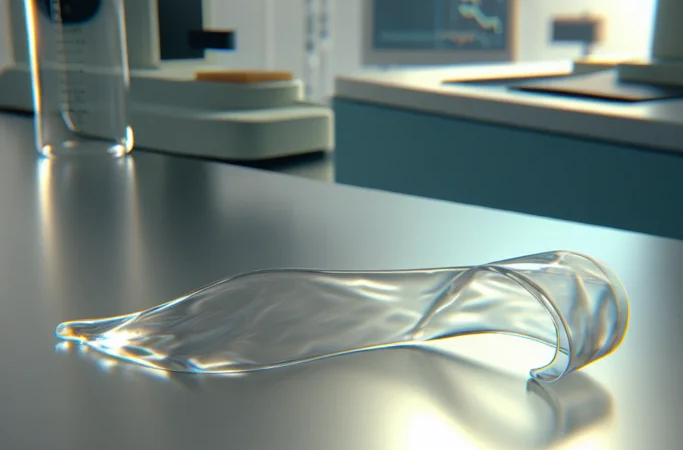
According to ZME Science, researchers have successfully created a flexible, “squishy” nerve implant designed specifically to treat inflammatory bowel disease without relying on pharmaceutical interventions. This innovative device represents a significant leap forward in bioelectronic medicine—a field that uses electrical stimulation to influence biological processes.
The implant works by targeting the vagus nerve, a crucial component of our body’s anti-inflammatory pathways. Unlike rigid traditional implants that can cause tissue damage over time, this new device is designed with soft, flexible materials that move naturally with the body. According to ZME Science, the technology leverages our body’s own neural networks to reduce inflammation, essentially hijacking the natural communication system between the brain and gut to promote healing.
The research team focused on creating a device that could deliver precise electrical stimulation to activate the body’s cholinergic anti-inflammatory pathway—a natural mechanism that helps regulate immune responses in the digestive tract. Early testing has shown promising results in reducing inflammatory markers without the systemic effects typically associated with IBD medications.
This development comes at a time when the medical community is increasingly interested in bioelectronic approaches to treating chronic inflammatory conditions, with several major pharmaceutical and technology companies investing heavily in this emerging field.
What This Could Mean for Your IBD Journey
This breakthrough represents far more than just another treatment option—it could fundamentally change how we think about managing IBD. For many in our community, the current treatment landscape feels like a constant balancing act. You might be familiar with the frustration of finding a medication that works, only to develop antibodies against it. Or perhaps you’ve experienced the anxiety that comes with immunosuppression, worrying about infections while trying to control your inflammation.
The nerve implant approach addresses several critical pain points that many IBD patients face with current therapies. First, there’s the issue of systemic side effects. Traditional IBD medications—whether they’re corticosteroids, immunomodulators, or biologics—affect your entire body, not just your inflamed intestines. This can lead to increased infection risk, bone density loss, liver complications, or other unwanted effects. A targeted nerve stimulation device could potentially provide anti-inflammatory benefits while minimizing these broader impacts on your health.
Perhaps even more intriguing is the potential for personalized treatment. Current IBD medications work on a population level—what works for one person may not work for another, and we often don’t know why. Bioelectronic devices could potentially be programmed and adjusted in real-time based on your specific inflammatory patterns, symptoms, or even biomarker levels. Imagine having a treatment that could automatically adjust its intensity based on early signs of a flare, potentially preventing full-blown episodes before they start.
The psychological impact of this technology shouldn’t be overlooked either. Many people with IBD describe feeling like their body is fighting against them. The idea of working with your body’s natural healing mechanisms, rather than suppressing parts of your immune system, could provide a different sense of empowerment and control over your condition.
However, it’s important to consider the practical implications of surgical implantation. Unlike taking a pill or receiving an injection, getting a nerve implant would require a surgical procedure, likely performed by a specialized team. This raises questions about accessibility, recovery time, and long-term maintenance. Would the device need to be replaced periodically? How would it be monitored for effectiveness? These are crucial considerations that will need to be addressed as the technology moves toward clinical trials.
The timing of this development is particularly significant given the current state of IBD research. We’re seeing an explosion of interest in the gut-brain axis—the complex communication network between our digestive system and central nervous system. This implant technology represents a practical application of that research, potentially offering a way to therapeutically manipulate this connection.
For those who have experienced treatment failures or are concerned about long-term medication effects, this technology could represent a new category of hope. It’s especially relevant for people with refractory IBD—those whose condition hasn’t responded well to multiple medication trials. Currently, these individuals often face increasingly aggressive treatments or surgical interventions. A bioelectronic approach could provide an intermediate step that’s less invasive than surgery but more targeted than systemic medications.
Expert Perspective: What the Medical Community is Saying
The bioelectronic medicine field has been gaining significant attention from gastroenterologists and researchers specializing in IBD treatment. Experts in the field emphasize that while this technology is promising, it represents just one piece of the complex puzzle of IBD management.
Medical professionals note that the vagus nerve stimulation approach builds on decades of research into the cholinergic anti-inflammatory pathway. This isn’t entirely new science—we’ve known for years that stimulating certain neural pathways can reduce inflammation. What’s revolutionary is the development of implantable devices sophisticated enough to deliver this stimulation safely and effectively over long periods.
However, experts also caution that patients should discuss this development with their healthcare teams in the context of their individual treatment plans. The technology is still in development, and it’s unclear how it might interact with existing IBD medications or how it would be integrated into current treatment protocols. Your gastroenterologist can help you understand how this potential future option might fit into your specific situation and treatment history.
Practical Implications for IBD Patients
- Stay informed but patient: While this technology is exciting, it will likely be several years before it becomes available to patients. Continue working with your current treatment plan while keeping an eye on clinical trial opportunities.
- Discuss with your healthcare team: Bring up bioelectronic treatments during your next appointment to understand how they might fit into your long-term treatment strategy.
- Consider your treatment goals: Think about what aspects of your current treatment you’d most like to improve—whether it’s reducing side effects, improving effectiveness, or gaining more control over your condition.
- Monitor research developments: Follow reputable sources for updates on clinical trials and regulatory approval processes for bioelectronic IBD treatments.
- Evaluate your current treatment satisfaction: This news might be a good opportunity to assess how well your current medications are working and whether adjustments might be beneficial while waiting for new options.
Looking Toward a New Era of IBD Treatment
This nerve implant development represents more than just another treatment option—it signals a potential paradigm shift in how we approach chronic inflammatory conditions. For a community that has long relied on medications that suppress immune function broadly, the possibility of precise, targeted intervention that works with the body’s natural systems is genuinely exciting.
While we wait for clinical trials and eventual availability, this news serves as a reminder that IBD research is advancing rapidly. The combination of better understanding of the gut-brain connection, advances in bioelectronics, and growing investment in personalized medicine is creating unprecedented opportunities for innovation in IBD treatment.
What aspects of this development are you most interested in? Have you experienced challenges with current IBD treatments that this technology might address? Share your thoughts and questions in the comments below—your experiences and perspectives help strengthen our entire community’s understanding of these emerging possibilities.
Source: This post summarizes reporting from ZME Science. Read the original article.
Related Posts

New Research Links Certain Occupations to Higher IBD Risk: What This Means for Your Career and Health
February 28, 2026
Eli Lilly’s Omvoh Shows Promise for Crohn’s Disease: What This Breakthrough Could Mean for Your Treatment Journey
February 27, 2026
Could Your Cholesterol Medication Help Your IBD? New Research Reveals Surprising Connection
February 27, 2026