Revolutionary Precision Diet Approach Could Transform IBD Management Through Advanced Gut Testing
Summary of University of Alberta
IBD Movement provides news analysis and insights for the IBD community. Always consult your healthcare provider for personal medical advice.
A New Era of Personalized IBD Care
For the millions of people living with inflammatory bowel disease (IBD), finding the right dietary approach has long felt like navigating a maze blindfolded. What works for one person might trigger a flare-up in another, leaving many frustrated and searching for answers. However, groundbreaking research from the University of Alberta is offering new hope through an innovative combination of advanced gut testing and precision nutrition that could revolutionize how we manage IBD symptoms and improve quality of life.
This development represents more than just another dietary recommendation – it’s a potential paradigm shift toward truly personalized IBD care that takes the guesswork out of nutrition management.
Breaking Down the Research
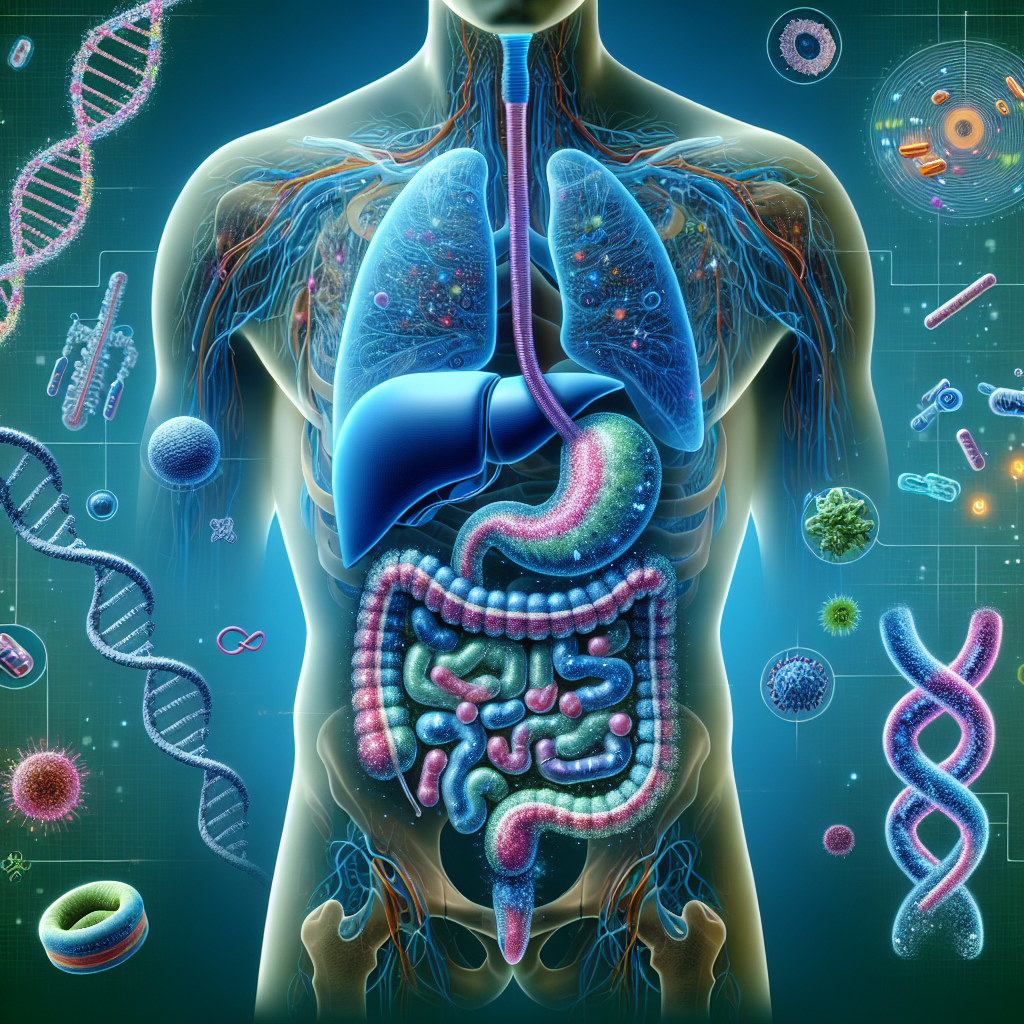
According to University of Alberta researchers, their innovative approach combines sophisticated gut microbiome testing with personalized dietary interventions specifically designed for people with IBD. The research team has developed what they describe as a comprehensive testing protocol that analyzes the unique bacterial composition of an individual’s gut microbiome to create tailored nutritional recommendations.
The study focuses on understanding how different bacterial populations in the gut respond to various foods and nutrients, allowing researchers to predict which dietary approaches are most likely to reduce inflammation and promote healing for each individual patient. This precision medicine approach represents a significant departure from the traditional “one-size-fits-all” dietary recommendations that have dominated IBD management for decades.
The research team’s preliminary findings suggest that people with IBD who followed personalized dietary recommendations based on their gut microbiome analysis showed measurable improvements in inflammatory markers and reported better symptom control compared to those following standard dietary guidelines. The testing methodology appears to identify specific bacterial imbalances that contribute to inflammation and provides targeted nutritional interventions to restore healthier gut ecology.
What This Breakthrough Means for the IBD Community
This research addresses one of the most persistent challenges faced by people with IBD: the trial-and-error nature of dietary management. Currently, many individuals spend months or even years experimenting with different diets – from the Specific Carbohydrate Diet to low-FODMAP approaches – often with mixed or temporary results. This new precision approach could dramatically shorten that journey by providing personalized roadmaps from the start.
The implications extend far beyond simple convenience. For people living with Crohn’s disease or ulcerative colitis, dietary triggers can mean the difference between remission and a debilitating flare-up. The ability to identify specific foods that either support or harm an individual’s unique gut ecosystem could provide unprecedented control over symptom management. This is particularly significant given that diet-related triggers vary enormously between individuals – what’s healing for one person might be inflammatory for another.
From a broader healthcare perspective, this research aligns with the growing understanding that the gut microbiome plays a crucial role in IBD development and progression. Recent studies have shown that people with IBD typically have less diverse gut bacteria and different bacterial populations compared to healthy individuals. By targeting these specific imbalances through personalized nutrition, this approach tackles IBD at one of its fundamental levels.
The timing of this research is particularly relevant as many people with IBD have become increasingly interested in complementary approaches to manage their condition alongside traditional medical treatments. However, the challenge has always been knowing which complementary approaches are worth pursuing. This precision testing could provide the scientific foundation that many patients have been seeking to make informed decisions about dietary interventions.
Perhaps most importantly, this approach acknowledges the complex, individual nature of IBD. Rather than viewing the condition through a purely pharmaceutical lens, it recognizes that sustainable management often requires a multifaceted approach that includes optimizing the gut environment through targeted nutrition. This could be especially valuable for people who experience side effects from medications or those looking to reduce their medication burden over time.
The research also has potential implications for preventing IBD flare-ups. By continuously monitoring and adjusting dietary approaches based on microbiome changes, people might be able to identify and address imbalances before they lead to clinical symptoms. This proactive approach represents a significant shift from the reactive model that currently dominates IBD care.
Expert Perspective on Precision Nutrition
Gastroenterologists and nutrition specialists have long recognized that dietary management is one of the most challenging aspects of IBD care. The variability in individual responses to different foods has made it difficult to provide consistent, evidence-based dietary recommendations. This new testing approach could provide the missing link between general nutritional science and individual patient needs.
Medical experts emphasize that while this research is promising, it should be viewed as a complement to, not a replacement for, established medical treatments. People with IBD should discuss any new testing or dietary approaches with their healthcare team to ensure they align with their overall treatment plan. The integration of precision nutrition with existing therapies could potentially enhance treatment outcomes while addressing the whole-person aspect of IBD management that many patients desire.
Practical Implications for IBD Management
- Reduced dietary trial-and-error: Instead of spending months testing different diets, people could receive personalized recommendations based on their unique gut microbiome profile
- Enhanced symptom prediction: Understanding individual bacterial populations could help predict which foods are likely to trigger symptoms before they occur
- Complementary treatment approach: This testing could work alongside existing medications to provide a more comprehensive management strategy
- Improved quality of life: More precise dietary management could lead to better symptom control and reduced anxiety around food choices
- Potential medication optimization: Better gut health through targeted nutrition might enhance the effectiveness of existing IBD medications
Looking Toward a More Personalized Future
This research from the University of Alberta represents a significant step forward in our understanding of IBD management. While we await broader availability of this testing approach, the research highlights the importance of personalized medicine in IBD care. It validates what many people with IBD have long suspected – that successful management requires approaches tailored to individual needs rather than generic recommendations.
As this research continues to develop, it may open doors to even more sophisticated approaches to IBD management that consider not just symptoms, but the underlying biological factors that drive the condition. For a community that has often felt limited by conventional treatment options, this precision approach offers hope for more effective, personalized care that addresses both the medical and lifestyle aspects of living with IBD.
We encourage our community members to stay informed about these developments and discuss them with their healthcare providers as they become more widely available. What aspects of this precision nutrition approach are you most excited about? Share your thoughts and experiences in the comments below.
Source: This post summarizes reporting from University of Alberta. Read the original article.
Related Posts

New Research Links Certain Occupations to Higher IBD Risk: What This Means for Your Career and Health
February 28, 2026
Eli Lilly’s Omvoh Shows Promise for Crohn’s Disease: What This Breakthrough Could Mean for Your Treatment Journey
February 27, 2026
Could Your Cholesterol Medication Help Your IBD? New Research Reveals Surprising Connection
February 27, 2026